Reply To:
Name - Reply Comment
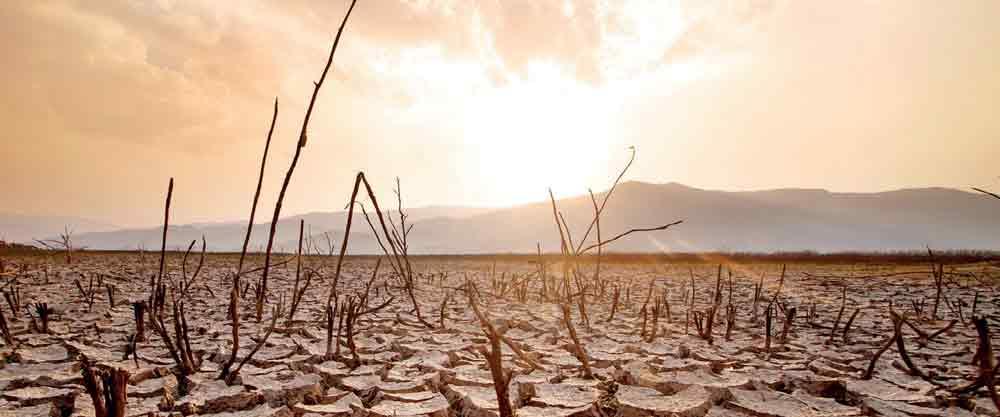
The Government has directed key state agencies to prepare urgent action plans amid growing concerns that the anticipated global El Niño phenomenon could threaten Sri Lanka’s food production, irrigation systems and drinking water supplies in the coming months. The directive was issued at a meeting of the Food Policy and Security Committee held at the Presidential Secretariat yesterday, where Ministers and officials discussed the country’s level of preparedness for a possible prolonged dry spell and its impact on agriculture.
During the meeting, officials extensively discussed measures required to mitigate any adverse effects that El Niño could have on Sri Lanka, particularly on the agriculture sector, which is highly vulnerable to prolonged dry weather and changing rainfall patterns.
Discussions focused on ensuring adequate water storage in reservoirs for the upcoming Yala cultivation season and maintaining sufficient drinking water supplies if weather conditions deteriorate. Minister Wasantha Samarasinghe instructed officials to obtain recommendations from relevant institutions and prepare for various scenarios that may arise due to the global weather phenomenon. The committee also decided to convene a special meeting in the near future to further assess the situation and strengthen preparedness measures.
Key institutions, including the Ministry of Agriculture, Department of Agriculture, Mahaweli Authority and Department of Irrigation, were directed to prepare comprehensive action plans outlining how they intend to respond to possible El Niño-related challenges.
The Ministers noted that Sri Lanka had successfully managed recent crises, including the impacts of Cyclone Ditwah and disruptions linked to tensions in the Middle East, and expressed confidence that the country would be able to address any challenges posed by El Niño through early planning and coordination.
Minister Samarasinghe stressed that while natural disasters cannot be predicted with certainty, it is essential for authorities to develop contingency plans in advance to minimize risks and ensure an effective response.
Senior Government officials, health authorities, meteorological experts and representatives of key state institutions attended the meeting, reflecting the growing concern over the possible effects of the El Niño phenomenon on the country’s food production and water security.