Reply To:
Name - Reply Comment
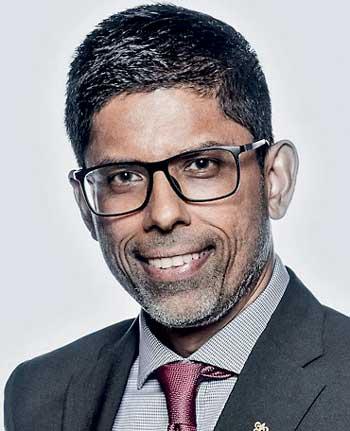 |
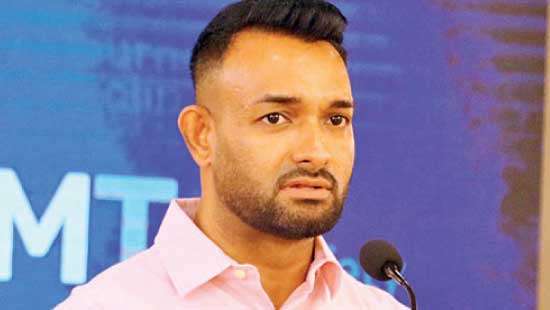
| Malik Fernando |
Sri Lanka’s tourism sector risks falling short of its recovery potential without a focused and well-funded international marketing campaign, the industry leaders warn.
Sri Lanka Tourism Alliance Chairman Malik Fernando stressed the pressing need to move beyond visa waivers and adopt a coherent, strategic approach to brand building.
“The visa waiver initiative should not serve as a smokescreen for the continued absence of a coherent international marketing campaign,” Fernando said.
Despite the assurances and available funding, “no meaningful effort has materialised” to position Sri Lanka effectively on the global tourism map.
The impact of this gap is tangible. The hoteliers report suppressed room rates across all categories, while foreign direct investment remains significantly lower than in the competing regional markets. This, Fernando explained, stems from “weak margins” caused by the country’s failure to communicate the distinctiveness of its offerings to high-value travellers.
Sri Lanka has often been compared to “the next Bali”, a comparison rejected by the local stakeholders wary of overtourism’s pitfalls. Fernando advocates for a deliberate and sustainable growth strategy focused on attracting higher-spending tourists rather than chasing volume with price cuts or visa discounts.
“If travellers choose Sri Lanka primarily because of a waived visa fee, that signals a deeper issue: we have failed to clearly communicate what makes the destination exceptional,” he noted.
Seasonality also remains a challenge, with June and July showing predictable declines in visitor arrivals. Without sustained, year-round marketing efforts, the sector faces recurring downturns during the traditional off-peak periods.
Fernando outlined the key elements necessary for a successful national tourism brand: professional storytelling, strategic global media partnerships, a robust digital presence and consistent messaging. He emphasised leveraging social media platforms such as YouTube, Instagram and TikTok to showcase Sri Lanka’s diverse attractions, from surfing in Arugam Bay to trekking in the central highlands.
He also called for market segmentation and data-driven messaging tailored to different traveller profiles, pointing out the contrast between Indian family tourists and European wellness seekers.
Public-private collaboration, Fernando said, must deepen with coordinated campaigns co-created alongside the industry stakeholders to unlock Sri Lanka’s full tourism potential.
“Tourism offers one of the most effective pathways to raise incomes and uplift millions of livelihoods, even in the most remote corners of the country,” he said.
However, realising this potential requires “capability, strategic vision and committed leadership.”
Without decisive action on marketing strategy, Sri Lanka risks underselling itself and missing out on a crucial driver of economic growth.