Reply To:
Name - Reply Comment
|
Senath Jayatilake |
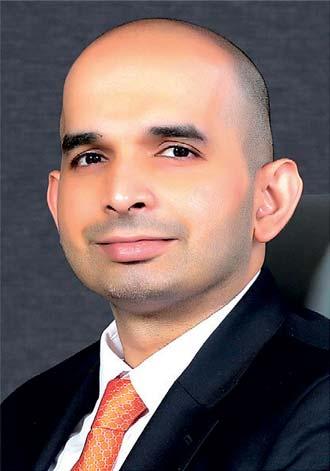
Chief Executive Officer at Union Assurance - Senath Jayatilake, Chief Marketing Officer of Union Assurance- Mahen Gunarathna and Vice President, Sri Lanka Diabetes Association - Dhanya Wijesuriya share their views on ‘Suwamaga Mobile Screening Unit’ and the impact diabetes has made on the Sri Lankan society.
Q: What inspired the direction of Union Assurance’s approach to corporate citizenship?
Chief Executive Officer at Union Assurance - Senath Jayatilake: As Sri Lanka’s first private Life Insurer, Union Assurance has played a pivotal role in the nation’s socio-economic landscape for nearly four decades. In this journey, we have built a brand that continuously evolves to meet the changing needs of our customers, ensuring a strong and impactful presence.
Recognising the evolving landscape, we took a bold step last year in rethinking how value is created across the board. This led to the introduction of our new brand vision: empowering human progress by protecting what matters most. In line with this vision, we also introduced a new brand purpose; to protect lives and enrich the well-being. This is why at the heart of what we do is our commitment to strengthening the financial, emotional, physical and community well-being of all. This overall strategic direction forms the foundation of everything we do and inspires us to make a positive difference for individuals, families and communities across Sri Lanka.
 In bringing our brand vision and purpose to life, particularly in enriching community well-being, we conducted a thorough assessment to identify the most urgent national challenges. One critical issue that emerged was the widespread prevalence of non-communicable diseases (NCDs), which have a profound impact on both the social and economic progress of the nation. A survey conducted by the Ministry of Health in 2021–2022 revealed that a staggering 80 percent of deaths in Sri Lanka are attributed to NCDs, highlighting the severity of the situation.
Within the scope of NCDs, we saw that diabetes is a major issue. According to the International Diabetes Federation, Sri Lanka reported a diabetes prevalence rate of 9.8 percent among adults in 2021, placing the nation at a heightened risk within the South Asian region. This issue affects a significant portion of the population, with increasing cases among younger individuals. The consequences are severe, including rising morbidity rates and complications such as cardiovascular diseases, blindness, kidney failure and amputations.
In response to this critical national issue, Union Assurance has stepped forward as a proactive corporate citizen through Suwamaga, a programme dedicated to providing nationwide support in the fight against diabetes.
Q: Could you elaborate on this CSR programme, Suwamaga?
Chief Marketing Officer of Union Assurance- Mahen Gunarathna: Suwamaga is Union Assurance’s flagship CSR programme, dedicated to providing nationwide support to reducing diabetes incidence in Sri Lanka. Our comprehensive approach includes raising public awareness, promoting active lifestyles, facilitating early detection and management and providing tools for community engagement.
As part of the programme, the Company also unveiled its ‘Suwamaga Mobile Screening Unit’ in November 2024 with the collaboration of the Ministry of Health. The Suwamaga Mobile Screening Unit is a fully-equipped mobile truck designed to provide free diabetes screenings conducted by certified healthcare professionals. The Mobile Screening Unit travels across Sri Lanka, from urban hubs to rural regions, ensuring that access to free testing is available to individuals of all ages, regardless of whether they are Union Assurance customers or not, thereby enhancing public accessibility to healthcare services.
Since its launch, the Mobile Screening Unit has made a positive impact on over 26,000 individuals, driving meaningful progress at a national level. The Mobile Screening Unit has conducted screenings across all parts of the country, providing free testing to over 15,000 individuals so far. Each participant received a comprehensive diabetes screening report, along with personalised medical advice, empowering them with valuable insights to take charge of their well-being.
The results from our screenings further emphasise the urgency of our purpose. Alarmingly, from 15 percent those who were further recommended for the HbA1c testing, 12 percent in the diabetes stage, underscoring the widespread nature of the issue and the critical need for proactive intervention. We also found that many participants were diagnosed with diabetes for the first time, hence the testing enabled them to take early action. In the most urgent cases, individuals who were previously unaware of their condition were promptly referred to hospitals for further care.
We encourage the public to take advantage of this valuable opportunity and avail of the screenings which are offered completely free of charge, making healthcare accessible and providing individuals with essential insights into their health, empowering them to take proactive steps towards a healthier future.
Q: How critical is the problem of diabetes and what is the impact it has in Sri Lanka?
Vice President, Sri Lanka Diabetes Association - Dhanya Wijesuriya: I feel that the most alarming non-communicable disease is diabetes which is an epidemic in Sri Lanka. According to the STEPS survey 2021, 14.6 percent were identified to have raised fasting blood glucose levels while 13.0 percent had impaired fasting glycemia. If this is not rapidly addressed, these figures may go beyond 25 percent persons or approximately 25 percent of the population, suffer from this illness.
Another serious concern is pre-diabetes, which is the stage before diabetes. If detected at this stage, diabetes can be prevented. However, once diabetes is diagnosed, it cannot be cured. You can lead a normal life if you have good control through lifestyle modification and appropriate therapy. Unfortunately, 50 percent of persons with diabetes are unaware they have the illness. Tests are carried out only when they develop complications of diabetes which is frightening. As such, diabetes is a silent killer and the most prevalent non-communicable disease in the country.