Reply To:
Name - Reply Comment
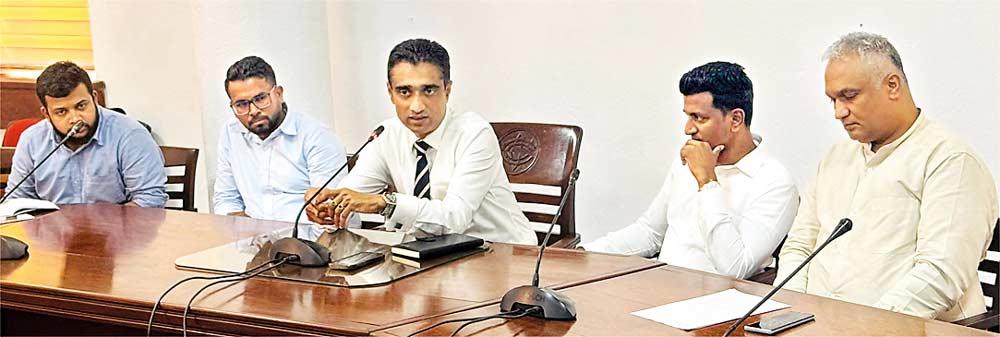
FITIS official sharing insights on illegal imports of computer hardware in SL
Sri Lanka’s market for laptops and computer equipment is being increasingly distorted by illegal imports, counterfeit products, and used devices entering the country outside formal controls, the Federation of Information Technology Industry Sri Lanka (FITIS) warned.
The industry body noted that these informal channels are undermining legitimate businesses while exposing unsuspecting consumers to significant technical and security risks.
During an industry discussion convened by FITIS, participants revealed that in certain product categories, as much as 50 percent of laptops, desktops, monitors, and accessories sold locally are either illegally imported or brought in as used equipment.
These products often enter the country with under-declared values or without paying the correct taxes, allowing them to be sold at prices 25–30 percent lower than those offered by authorised dealers.
While lower price points may initially appeal to consumers, industry representatives cautioned that the hidden costs remain substantial. Many devices sold through informal channels do not carry genuine operating systems and rely on pirated software installed locally, exposing users to cybersecurity risks, legal complications, and frequent system failures.
Furthermore, buyers are often left without valid manufacturer warranties or after-sales support, and in some instances, unknowingly purchase refurbished or counterfeit products marketed as brand new.
FITIS emphasized that the impact on the formal sector is becoming severe. Authorised dealers are struggling to compete against untaxed imports despite complying with all local regulations, paying necessary duties, and investing heavily in service infrastructure. This mounting pressure is already translating into reduced investment, potential job losses, and a gradual erosion of service standards across the legitimate IT hardware industry.
The influx of used and near end-of-life equipment is also raising serious environmental concerns. Without a robust national framework to manage electronic waste, many of these devices are discarded prematurely, adding to Sri Lanka’s growing e-waste burden. Industry leaders further highlighted significant gaps in import monitoring, noting the absence of a clear system to identify authorised importers for specific brands. It was also reported that devices are being brought in through passenger luggage in commercial quantities, effectively bypassing oversight and enforcement mechanisms.
In response to these challenges, FITIS stated it is working closely with global technology brands, distributors, retailers, and other stakeholders to assess the full scale of the problem and develop a coordinated industry response.