Reply To:
Name - Reply Comment
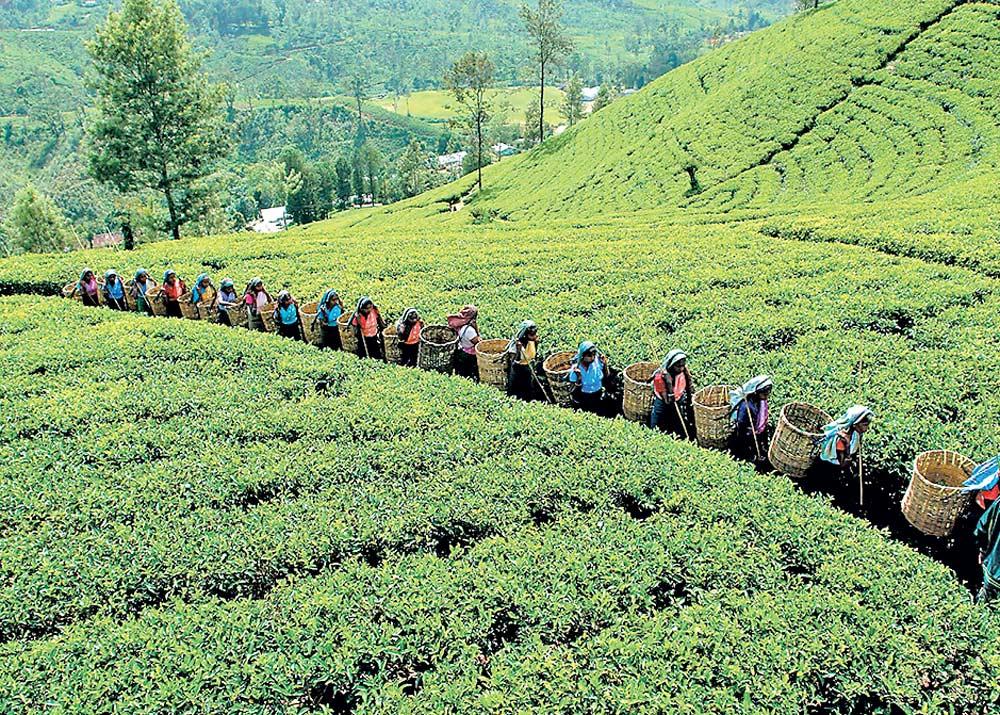
The Planters’ Association of Ceylon (PA) has expressed grave concern over the US’ decision to impose a 30 percent tariff on Sri Lankan tea and rubber exports, set to take effect from August 1.
The PA warns that this move could devastate two of Sri Lanka’s most historic and employment-intensive sectors, tea and rubber, undermining decades of market-building and trade diplomacy.
The PA is calling for urgent interventions, particularly as key competitor nations like Vietnam and India are already in talks to secure reduced tariffs, while Indonesia has already finalised a preferential trade deal.
Tea industry at a critical juncture
Ceylon Tea had enjoyed a zero-duty access to the US markets and with this move, there will be 30 percent duty slammed on tea exports. This decision for 30 percent will affect the country’s tea exports to the US markets. In 2024, the US imported 6.4 million kilogrammes of Ceylon Tea, valued at US $ 45 million, reflecting a 22 percent increase in volume and an 11 percent increase in value over 2023. Of these exports, 65 percent were value-added products such as packaged, blended, flavoured and instant teas, indicating strong demand for premium Sri Lankan offerings.
“The average FOB price of tea exported to the US stood at US $ 7 per kilogramme, significantly higher than the national average of US $ 5.83 per kilogramme in 2024, highlighting the premium positioning of Sri Lankan tea in the US market,” said former Tea Exporters Association Chairman Ganesh Deivanayagam.
Sri Lanka also commands a 20 percent share of the US hot tea segment, despite the market being dominated by iced tea (80 percent of consumption). With annual tea consumption in the US growing at around 6 percent, the country remains a critical market for high-value, differentiated tea products from Sri Lanka.
The timing of the tariff is especially damaging. As of April 11, 2025, nearly 300,000 kilogrammes of tea valued at US $ 3.24 million was already enroute to the US and an additional 21,000 kilogrammes worth US $ 479,000 were awaiting clearance at US ports. Following the tariff announcement, confirmed orders for 225,970 kilogrammes valued at US $ 3.14 million were suspended. Although the recent reports indicate some shipments are now being cleared by the buyers willing to pay a 10 percent duty, the uncertainty has disrupted cash flows and confidence among the exporters.
The US market plays a critical role in supplementing the Colombo auction prices, which have a direct impact on the livelihood of the plantation workers and the smallholders.
Rubber sector on brink
The rubber industry is facing a similarly dire outlook. With over US $ 330 million in annual exports to the US, primarily solid tyres, medical gloves and PPE, the new tariff has already led to order suspensions and growing investor anxiety.
The 30 percent tariff makes Sri Lanka non-competitive overnight as we will lose ground to Vietnam and India, who are actively negotiating better terms. As a sector supporting over 150,000 livelihoods and contributing nearly a billion dollars to the economy, this is a serious threat to our survival.
Some Sri Lankan firms have already paused shipments, anticipating long-term buyer migration to cheaper alternatives. With 80 percent of global demand for Sri Lanka’s solid tyres coming from the US, the threat is immediate and substantial.
The broader consequences such as stalled foreign direct investment, rural economic uncertainty and no viable fallback for communities dependent on long-gestation crops like rubber.
A call for immediate government action
The PA is urging the government to engage directly with the US Trade Representative, seeking relief for agricultural commodities like tea and medical-grade rubber. These sectors are vital for rural employment and carry strong ethical and sustainability credentials in global markets.
The PA is also advocating for temporary relief measures for the affected producers, including duty drawback schemes, retraining programmes for affected workers and export marketing assistance to mitigate immediate disruptions. It further emphasised the need for market diversification and long-term investment in branding and innovation, to safeguard the country’s competitiveness and resilience.