Reply To:
Name - Reply Comment
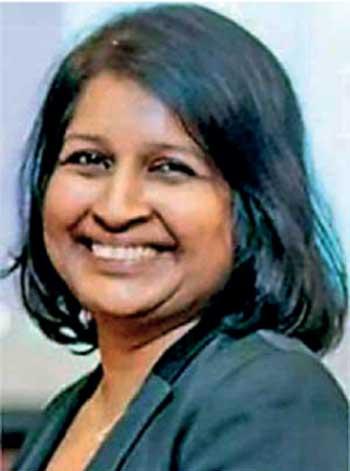 |
| Swabha Wickramasinghe |
In a powerful address after securing a second term as Chairperson of the Sri Lanka Association of NVOCC Agents (SLANA), Swabha Wickramasinghe made a clarion call to the shipping industry, urging a unified front to advocate for the reinstatement of terminal handling charges (THC).
Speaking at the eighth Annual General Meeting of the SLANA held in Colombo last Friday, Wickramasinghe warned that the current policy places the nation’s maritime sector at a significant competitive disadvantage.
“One major concern for our members is the inability to collect THC,” Wickramasinghe stated, identifying the issue as a critical challenge.
She described THC as a “globally accepted practice that was previously implemented in Sri Lanka but has since been removed”.
“This inconsistency places our industry at a disadvantage,” she asserted.
“It’s essential that we come together as a unified voice to strongly advocate for the reinstatement of THC collections. This is not just about profitability; it’s about aligning with the international norms to ensure long-term sustainability and competitiveness.”
Wickramasinghe underscored the high stakes involved, reminding the audience that the SLANA members, though mostly small and medium enterprises, are a formidable economic force. Collectively, they contribute between 15 to 20 percent of the country’s total import and export volumes, playing a “meaningful role in supporting the national economy”.
Wickramasinghe contrasted this local regulatory hurdle with the immense opportunities emerging on the global stage. She pointed to the meteoric rise of India, now the world’s fourth-largest economy, as a development presenting vast potential for Sri Lanka.
“Our strategic position in Colombo places us at the heart of the Indian Ocean trade—at precisely the right time,” she declared.
She cited the upcoming projects like the India-UAE-Sri Lanka energy corridor and new liquefied natural gas terminals as ventures poised to bring “new volumes of containerised project cargo” and fresh revenue opportunities that hinge on the port’s competitiveness.
With services connecting to the world’s fastest-growing economies, including India, China, the Middle East and Russia, Wickramasinghe insisted the NVOCC community is well-positioned for growth.
“The momentum is with us and it is up to us to seize this opportunity,” she concluded.
(NF)