

Reply To:
Name - Reply Comment
|
Takafumi Kadono |
Dr. Nandalal Weerasinghe |
Mahinda Siriwardana |
Sri Lanka’s women entrepreneurs now have a greater opportunity to unlock access to finance with the launch of the WE Finance Code in the island nation yesterday. This makes Sri Lanka one of the first pilot countries to introduce the initiative.
The WE Finance Code, a global commitment funded by the Women Entrepreneurs Finance Initiative (We-Fi), aims to enhance women’s access to finance and support their economic empowerment. The Code is tailored to address Sri Lanka’s key priorities for women entrepreneurs through three main components: fostering a policy and regulatory framework focused on women-led small and medium-sized enterprises (SMEs), incentivizing private sector engagement—including through digital solutions—and promoting knowledge sharing through peer learning and new evidence.
The WE Finance Code was launched in Colombo by the Asian Development Bank (ADB) in partnership with the Ministry of Finance, Planning, and Economic Development.
ADB Country Head for Sri Lanka, Takafumi Kadono, emphasised that adopting the WE Finance Code is crucial for accelerating this initiative by establishing a national framework for entrepreneurship driven by data, leadership, and innovation.
The commitment by financial service providers and government agencies to collect and analyze sex-disaggregated data will ensure that future policies and financial products are better tailored to meet the unique needs of this underserved growth segment, he said.
“The WE Finance Code is about more than data. However, it is also about the leadership and action of the champions who commit their organizations to reporting and using the data to invest in women entrepreneurs,” said Kadono.
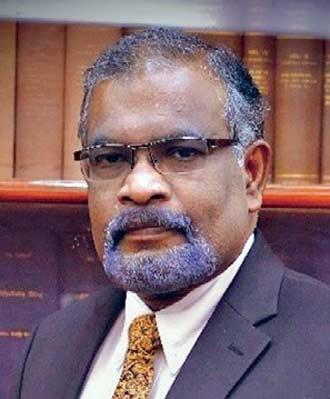
Central Bank Governor Dr. Nandalal Weerasinghe, who graced the occasion, pointed out that the newly launched initiative will be “transformative” and serve as a guiding framework for financial institutions, policymakers, and stakeholders in creating a more inclusive and gender-equal financial system.
“Aligned with global efforts to advance women’s economic empowerment, this initiative will open new opportunities for women entrepreneurs, particularly in the MSME sector, enabling them to contribute meaningfully to the broader economic development of Sri Lanka,” he said.
Dr. Weerasinghe noted that the WE Finance Code initiative could be effectively promoted under the National Financial Inclusion Strategy (NFIS), creating strong synergies between both efforts. By establishing strategic actions for collaboration, Sri Lanka can ensure the successful achievement of shared goals, ultimately enhancing financial inclusion for all.
The broader objective of the NFIS is to create an inclusive financial system that is accessible, affordable, and equitable for all.
“This aligns perfectly with the WE Finance Code initiative, as both share a common vision of promoting financial inclusion. Financial inclusion is not merely about providing access to services; it is about ensuring these services meet the diverse needs of all segments of society,” he said.
Echoing similar sentiments, Treasury Secretary Mahinda Siriwardana emphasised that implementing the WE Finance Code ensures Sri Lanka remains aligned with the global movement toward financial inclusivity and gender equality.
“This is not merely a policy shift—it is a fundamental economic transformation,” he said.
According to him, the initiative will allow Sri Lanka to enhance financial stability by ensuring that a more diverse range of businesses receive funding, promote innovation and entrepreneurship by enabling more women-led businesses to thrive, and increase overall economic productivity by integrating women more actively into the business sector.
One of the biggest challenges in addressing financial inequality for women-led businesses in Sri Lanka has been the lack of reliable, gender-disaggregated data.
The absence of accurate data has made it difficult for policymakers and financial institutions to identify and address barriers to financial inclusion, design targeted financial products that meet the unique needs of women entrepreneurs, and monitor progress while adjusting strategies based on real-time insights.
The WE Finance Code mandates that all banks and financial institutions systematically collect and report gender-disaggregated data to the Central Bank of Sri Lanka (CBSL). CBSL will serve as the national aggregator for financial data, ensuring that financial policies are based on real, evidence-driven insights rather than assumptions.
“This data-driven approach will allow us to fine-tune our policies, introduce necessary reforms, and ultimately create a more inclusive financial system,” said the Treasury Secretary.