Reply To:
Name - Reply Comment
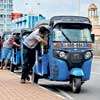
Ride-hailing platform PickMe yesterday called on policymakers to revisit fuel allocation policies and prioritise app-based taxis should fuel rationing return, arguing that shared mobility services move more people with less fuel and play a critical role in sustaining daily economic activity.
In a statement to the media, the company said that while Sri Lanka is not facing a crisis similar to the severe shortages experienced during the economic meltdown, the current global uncertainty around energy supplies serves as a reminder that efficient fuel use is as important as availability.
The company pointed out that Sri Lanka had previously demonstrated the ability to manage scarcity through digital tools, particularly through the National Fuel Pass, which was introduced during the fuel crisis to regulate distribution and prevent shortages at filling stations.
However, as authorities review how allocation mechanisms could operate in future, PickMe stressed that policymakers should also consider the economic value generated by different types of fuel consumption.
“Not all fuel consumption delivers the same value to the economy,” the company said, noting that shared mobility platforms connect drivers and passengers in real time, ensuring vehicles operate based on demand rather than circulating in search of customers.
According to PickMe, this reduces empty mileage and ensures that each trip carries a clear purpose, maximising the productivity of every litre of fuel consumed.
The platform noted that a single ride-hailing vehicle can serve dozens of passengers throughout the day, effectively replacing several private vehicle trips.
“In simple terms, one vehicle can move many people, not just one,” the statement said.
Against this backdrop, PickMe said ride-hailing vehicles operating within the app-based shared economy should receive a higher fuel allocation during periods of rationing, as such a policy would ensure limited fuel resources support mobility and economic continuity.
Prioritising taxis and ride-hailing vehicles would allow scarce fuel to move more people, while also protecting the livelihoods of thousands of drivers who rely on these platforms for income, it said.
“At moments like this, policy choices shape how resilient an economy can be. Supporting shared mobility is not about favouring one sector; it is about using limited fuel in the smartest way possible to keep the country moving,” the company added.
PickMe operates a range of digital mobility services in Sri Lanka, including ride-hailing, parcel delivery and ticketing solutions, connecting millions of users with independent drivers through its technology platform.
The company says technology-driven mobility services can play a growing role in improving urban transport efficiency, particularly in periods when fuel resources are constrained and demand for mobility remains high.