Reply To:
Name - Reply Comment
|
Indhra Kaushal Rajapaksa |
Suresh Perera |
|
|
Priyanka Dissabandara |
Shiham Marikar |
The National Chamber of Exporters of Sri Lanka (NCE) will hold the third session of its high-demand seminar on the removal of the Simplified Value Added Tax (SVAT) system on July 3, 2025, at the BMICH.
This follows the successful completion of two previous sessions, which saw participation from over 300 exporters and industry professionals, highlighting the growing concerns within the export community.
This timely seminar is designed to address the exporters’ concerns surrounding the SVAT removal and will feature two key presentations:
Key topics to be covered
The government’s decision to remove the SVAT has caused considerable unease among the exporters, especially at a time when they are already burdened by new US tariffs, rising fuel prices and the recent hike in electricity tariffs—all of which have increased operational costs and threatened export competitiveness.
The SVAT system was originally introduced to resolve the major issues in the traditional VAT framework, particularly for the exporters. By deferring the VAT payments and reducing administrative burdens, the SVAT has played a crucial role in improving cash flow, lowering operational costs and enhancing global competitiveness. Its removal threatens to reverse these gains—tying up working capital, increasing compliance burdens and creating financial uncertainty, especially for the SMEs.
Moreover, the exporters remain a cornerstone of Sri Lanka’s economy, playing a vital role in achieving the government’s ambitious US $ 19 billion export target. The sector is already grappling with challenges, including volatile global demand, stiff international competition and local operational constraints. Removing the SVAT without a proven and reliable refund mechanism risks amplifying these pressures.
Although the government intends to shift to a digital, risk-based VAT refund system, the NCE stresses the importance of rigorous testing to ensure it functions smoothly from the outset. While the chamber supports the government’s vision of a digital economy, the past experiences have shown that the refund mechanisms can result in years-long delays and excessive paperwork, placing a severe strain on the exporter cash flows. In many cases, the businesses have been forced to resort to high-interest bank loans to meet the export orders, further increasing their cost base.
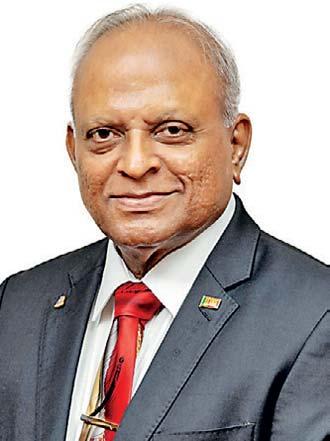
NCE President Indhra Kaushal Rajapaksa stated, “Sri Lankan exporters are already navigating a tough global environment. The sudden removal of the SVAT risks cash flow instability, pushing the businesses to borrow to finance the operations—something many cannot afford. We urge the government to implement a tested and efficient refund system before removing a scheme that worked for the exporters.”
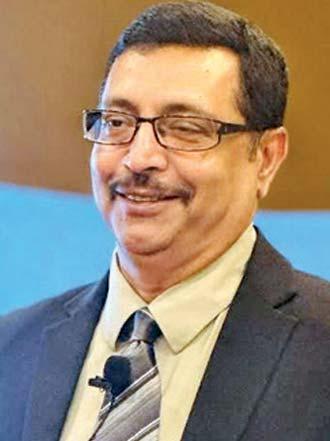
NCE Secretary General/CEO Shiham Marikar added, “This seminar is part of our ongoing commitment to keeping exporters informed and equipped. We are also proactively engaging with the government stakeholders to ensure that any policy shifts do not negatively impact the long-term sustainability and competitiveness of our members.”