Reply To:
Name - Reply Comment
 |
| MAS Holdings CEO Suren Fernando |
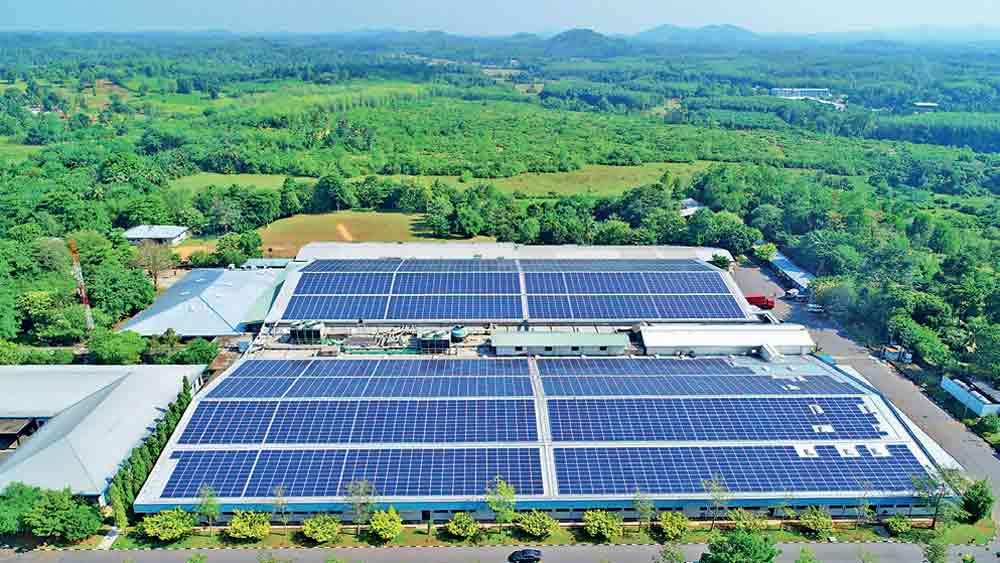
Global apparel and textile conglomerate MAS Holdings, looking to further its sustainability efforts, recently announced that it has committed to reducing its total greenhouse gas emissions to net zero by 2048.
This goal involves working collaboratively across its global operations and value chain to cut emissions across the value chain and neutralise what remains, bringing down the overall impact of MAS’ emissions.
The bold new target, verified by the Science Based Targets initiative (SBTi), is part of a broader series of commitments taken on by MAS under its group-wide sustainability strategy, the MAS Plan for Change.
Addressing this development, MAS Holdings CEO Suren Fernando stated, “Today’s climate disruptions remind us that our ability to thrive tomorrow depends on how boldly we act now. The approval of our net-zero and near-term goals by SBTi is pivotal to our climate journey and an affirmation of the real action we are taking to protect the planet while safeguarding our business and the livelihoods within our ecosystem. We are proud to be part of a global movement taking science-based action to build a resilient, net-zero future.”
Considered the most widely recognised and rigorous framework for corporate climate action and the global effort to limit global temperature rise to 1.5°C above pre-industrial levels, SBTi’s validation of MAS’ near-term and long-term targets also marks a significant milestone for the Sri Lankan apparel sector.
As part of this effort, MAS will cut absolute Scope 1 and 2 greenhouse gas emissions by 80 percent by 2030, using 2019 as the base year. The company has also pledged to reduce Scope 3 emissions, which include purchased goods and services, upstream transportation and distribution, business travel, employee commuting, downstream transportation and distribution, processing of sold products and investments by 46.2 percent within the same timeframe.
Looking further ahead, MAS will reduce Scope 1 and 2 emissions by 90 percent by 2040 and Scope 3 emissions by 90 percent by 2048. These targets cover MAS’ full value chain and are designed to drive measurable progress across the business and its wider ecosystem.
This commitment builds on the MAS Plan for Change, the company’s sustainability strategy that guides its work across product innovation, social impact and environmental responsibility.