Reply To:
Name - Reply Comment
Sri Lanka’s export manufacturers have urged the government to review the pricing of industrial diesel, arguing that the factories are paying more for a lower-grade fuel than the motorists pay for standard diesel, increasing the production costs and undermining competitiveness.
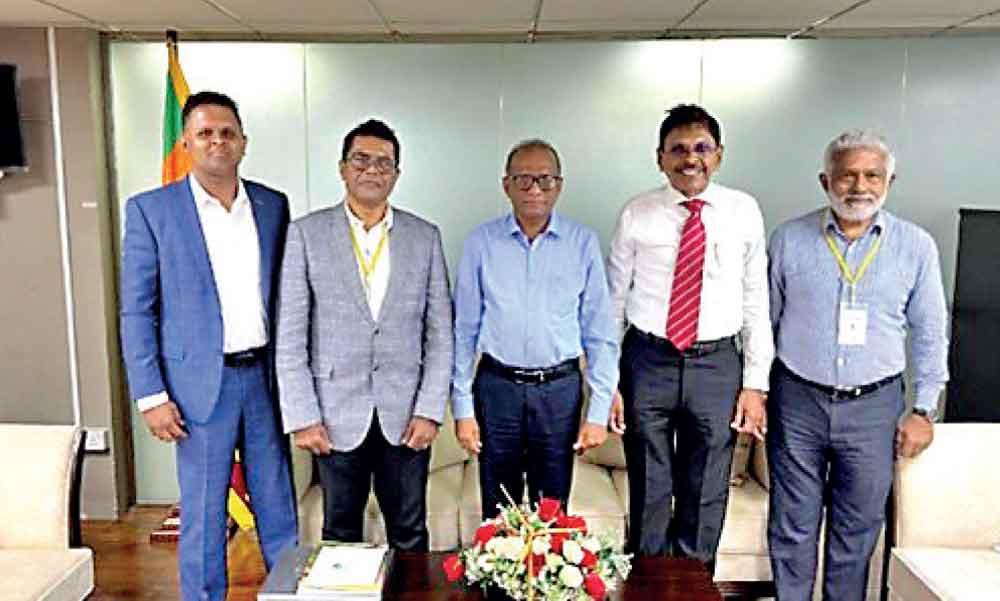
The concerns were raised by the Free Trade Zones Manufacturers’ Association (FTZMA) during a meeting with Energy Minister Aruna Karunathilake, where the industry representatives discussed a range of power and energy-related issues affecting the country’s export manufacturing sector.
According to the association, the exporters highlighted what they described as a significant disparity between the prices of auto diesel and industrial diesel, despite industrial diesel being a heavier and less-refined product, primarily used to operate machinery and power generation equipment.
The FTZMA said industrial diesel should not be priced higher than auto diesel, noting that the latter undergoes more intensive refining to meet the stringent emission and low-sulphur requirements for road vehicles.
The association argued that the industrial fuels are traditionally priced below the transport fuels in many markets and urged the authorities to revisit the current pricing structure.
The issue comes as the manufacturers continue to grapple with the rising production costs, amid the efforts to strengthen Sri Lanka’s export competitiveness and attract fresh investment into the sector.
During the discussions, the FTZMA also raised broader concerns relating to the electricity costs and the reliability of renewable energy supply through the proposed power wheeling mechanism, which would allow the companies to purchase electricity directly from the renewable energy producers.
The association said the system was yet to become fully operational and called for a clear regulatory framework to support its implementation, stressing that affordable and uninterrupted energy remained essential for sustaining manufacturing growth and export performance.
The FTZMA also urged the minister to remove the obstacles preventing the establishment of dedicated fuel stations within the Katunayake and Biyagama Export Processing Zones.
According to the association, the proposed fuel stations would help ensure uninterrupted access to fuel for the export manufacturers, reducing the risk of supply disruptions and production delays during periods of broader energy shortages.
The meeting concluded with discussions on possible solutions and a commitment by both parties to continue engagement on energy-related challenges facing the export sector.
The manufacturers have increasingly highlighted the energy costs as a key factor affecting Sri Lanka’s competitiveness, particularly as the regional rivals continue to offer lower operating costs and more predictable energy policies to attract export-oriented investment.