Reply To:
Name - Reply Comment
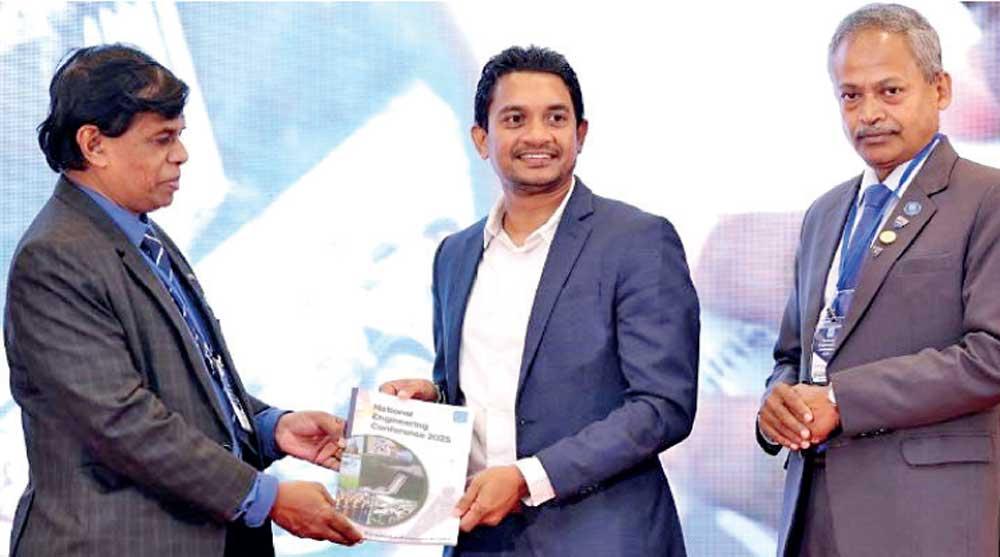
Handing over the report to Industry and Entrepreneurship Development Deputy Minister Chathuranga Abeysinghe
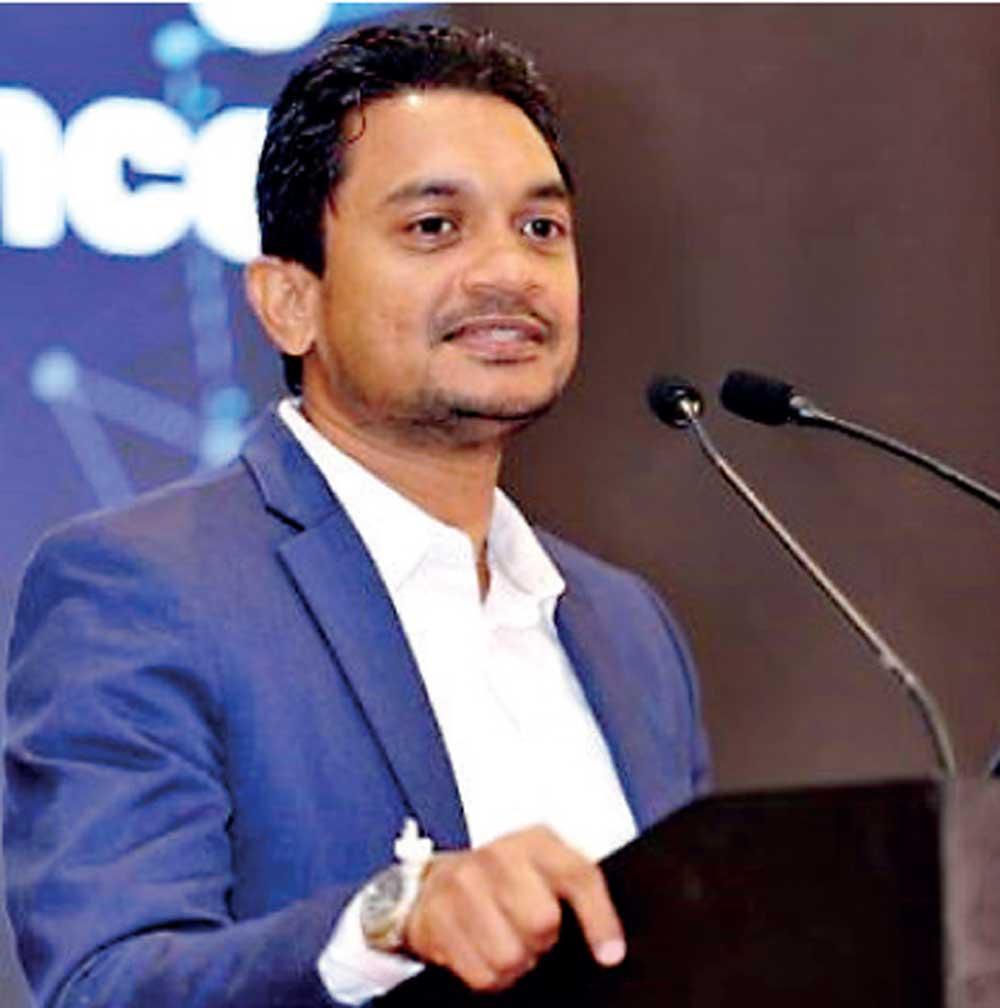
Industry and Entrepreneurship Development Deputy Minister Chathuranga Abeysinghe
The National Engineering Conference (NEC) 2025, organised by the Institution of Engineers Sri Lanka (IESL), was held recently at Hotel Galadari, bringing together engineering professionals, academics, policymakers and industry leaders to deliberate on engineering-driven solutions for national development.
Industry and Entrepreneurship Development Deputy Minister Chathuranga Abeysinghe attended as the chief guest.
In his keynote address, Abeysinghe emphasised that a collective force of engineers could “change the trajectory of the country”, stressing that Sri Lanka had missed the opportunities of the first four industrial revolutions.
“Our government’s goal is to achieve the lost industrial transformation,” he stated, urging the engineers to lead this mission while the government acts as a facilitator. He appealed for the wholehearted support of Sri Lanka’s engineering community to drive the country toward rapid industrialisation.
The conference featured sectoral presentations across agriculture and plantation, public safety, engineering education, digital transformation, power and energy, construction, transportation, international trade, water and national codes. Each session highlighted the pressing challenges faced by the country and presented engineering-centred proposals to address them.
Among the key recommendations presented were:
IESL President Eng. Granie R. Jayalath, in his address, emphasised the importance of shifting from leadership-centric to policy-centric approaches in governance. He noted that while the IESL has consistently contributed to policy recommendations in areas such as transport and water, successive governments have failed to fully utilise these engineering insights.
NEC 2025 Chairman Dr. Kamal Laksiri highlighted that the conference was to provide independent, professional engineering input to strengthen national decision-making.
As the conference concluded, a strong consensus emerged: Sri Lanka’s path to resilience, competitiveness and industrial transformation must be led by engineers, with the government providing facilitation and enabling frameworks.