Reply To:
Name - Reply Comment
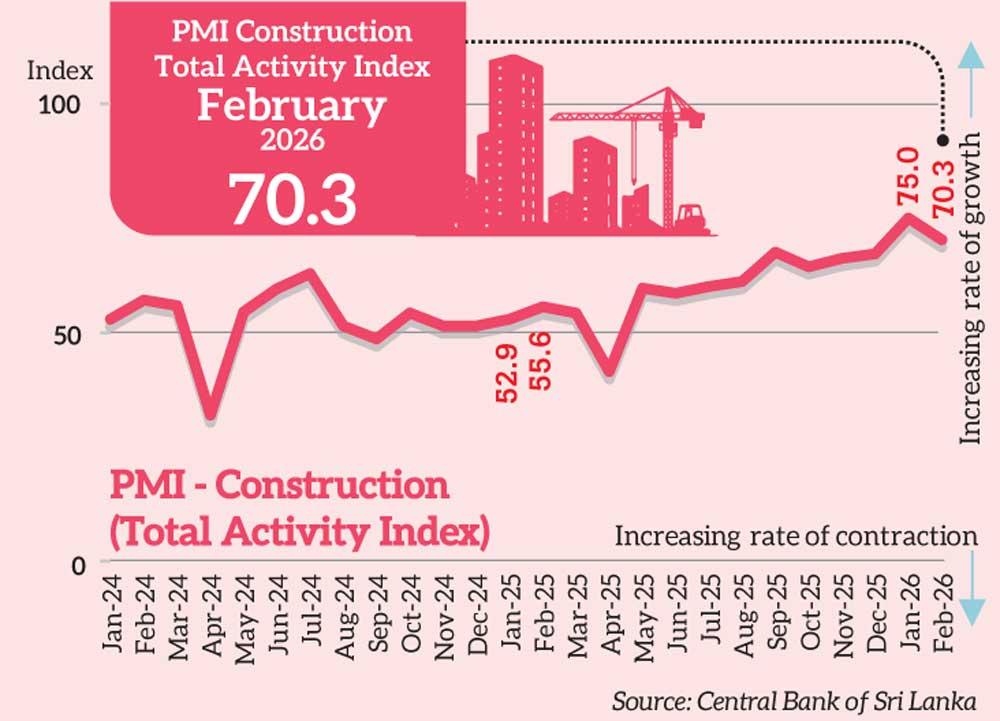
The economic fallout from the war in Iran has already taken a toll on the construction sector in Sri Lanka, with the costs having begun to rise and the sector raising alarms over the potential constraints on the supplies, as Iran has blocked ship traffic through the Strait of Hormuz.
Sri Lanka’s economy and the construction sector have had to deal with repeated crises since 2015, with the change of the government, which started with the stalling and suspension of many of the projects before being hit with the Easter attack-related shock, then the pandemic-related work stoppage, due to the lack of foreign currency and hyperinflationary conditions, which had a prolonged effect on the sector before turning around since around 2024.
Now the Iran war-induced rise in fuel and other commodities prices appears to have dealt another blow to the sector, with the prices of construction materials rising once again.
While the current weather may bode favourably to the sector activities, the extreme heat conditions could lead to some strain in work, as heat has reached to unbearable levels to people working both outside and inside in construction sites.
Nevertheless, the sector has continued to expand through February, as seen from the Purchasing Managers’ Index (PMI), which reached 70.3 index points, compared to 75.0 in January, reflecting some slowdown.
The continuously elevated activities have been supported through February by the steady flow of construction projects and favourable weather conditions.
“The New Orders Index continued to expand during the month, with many respondents reporting increased availability of a broader range of construction projects,” the statement on the PMI said.
Anticipating this increased project availability, the firms hired people to the sector, as seen from the rise in the Employment sub-index.
Meanwhile, the Suppliers’ Delivery Time sub-index lengthened further during February, reflecting the continued construction demand and import-related delays caused by the Chinese New Year.
The outlook for the sector is somewhat dimmed by the rise in costs and the things could further slowdown should the interest rates inched higher in response to the higher inflation.
The Central Bank however hasn’t yet signalled a hike in the key policy rate but a substantial increase in the consumer prices, as a result of the cascading effects of the fuel and electricity tariffs, could turn them a bit more hawkish than they are right now.
The yields in the treasury bills have already risen for two consecutive weeks, with some steep rises seen this week and the prime lending rates, the rate at which the banks loan to their prime customers, have also risen in the recent weeks.