Reply To:
Name - Reply Comment
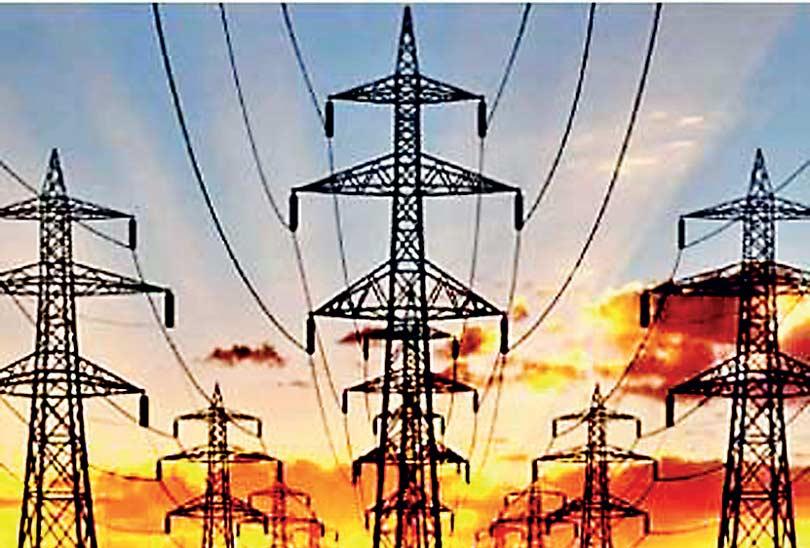
The Ceylon Electricity Board (CEB) has reported a net profit of Rs. 5.31 billion for the April-June 2025 quarter, a significant decrease from the Rs. 34.54 billion earned in the same period last year. The decline is attributed to lower revenues following tariff reductions implemented over the past year.
The state-owned utility reported revenues of Rs. 98.63 billion for the quarter, down 33 percent from the same period in 2024.
The CEB had cut tariffs twice between the comparative periods before reversing course with an increase in mid-June. This latest hike was a key condition set by the International Monetary Fund (IMF), which had withheld the fifth tranche of its programme until the utility implemented cost-reflective tariffs
However, the back-to-back reductions in electricity and fuel prices were instrumental in curbing inflation, contributing to eleven consecutive months of declining consumer prices. These cuts also allowed businesses to lower their operational costs and improve profit margins, leading to higher tax contributions to government coffers.
This highlights a crucial trade-off. Lower profits or occasional losses for the CEB often translate into significant savings for hundreds of thousands of businesses and help illuminate low-income households that would otherwise struggle to pay their bills. CEB’s profitability is heavily influenced by rainfall in the country’s catchment areas. Abundant rainfall allows for greater reliance on low-cost hydropower, leading to strong profits. Conversely, long dry spells force the utility to generate more expensive thermal power using costly furnace oil, which erodes profitability.
During the March quarter, which is typically Sri Lanka’s dry season, the utility is forced to rely more on thermal generation and purchase power from private producers, often at higher rates. This was reflected in the first quarter’s direct costs, which rose 6.8 percent year-on-year to Rs. 112.14 billion.
However, in the June quarter, these costs fell by 16.0 percent to Rs. 91.60 billion, resulting in a gross profit of Rs. 7.03 billion, a sharp decline from the Rs. 36.97 billion recorded a year ago.
Tariffs were raised again by 15 percent, effective June 12, nearly reversing the 20 percent tariff reduction implemented in January. Consequently, the full impact of this latest tariff increase will be reflected in CEB’s revenues for the September quarter (3Q).
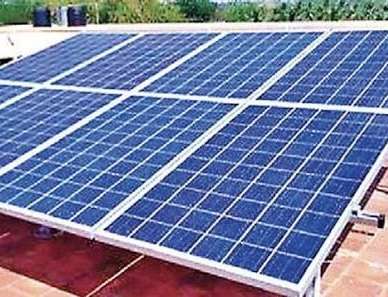
This comes as Sri Lanka is transitioning towards renewable energy sources such as solar, wind, and biomass, aiming to generate 70 percent of its electricity from renewables by 2030. This is part of a broader strategy to achieve carbon neutrality in power generation by 2050.
For the six months ending June 2025, the CEB reported a net loss of Rs. 13.16 billion, a stark contrast to the Rs. 119.21 billion profit recorded in the same period last year. This half-year result was based on revenues of Rs. 192.55 billion, a decrease of 38.8 percent year-on-year.
At the group level, the CEB reported earnings of Rs. 6.55 billion for the quarter, compared to a profit of Rs. 34.57 billion in the year-earlier period.
On a positive note, the Board has been actively reducing its debt. Outstanding long-term debt fell to Rs. 218.75 billion from Rs. 243.23 billion a year ago, while short-term debt decreased to Rs. 78.22 billion from Rs. 86.96 billion over the same period.