Reply To:
Name - Reply Comment
The authorities are stepping up efforts to position its traditional handloom industry as a higher-value export sector, with a renewed focus on innovation, product development and branding, to capture the growing global demand for sustainable and ethically produced textiles.
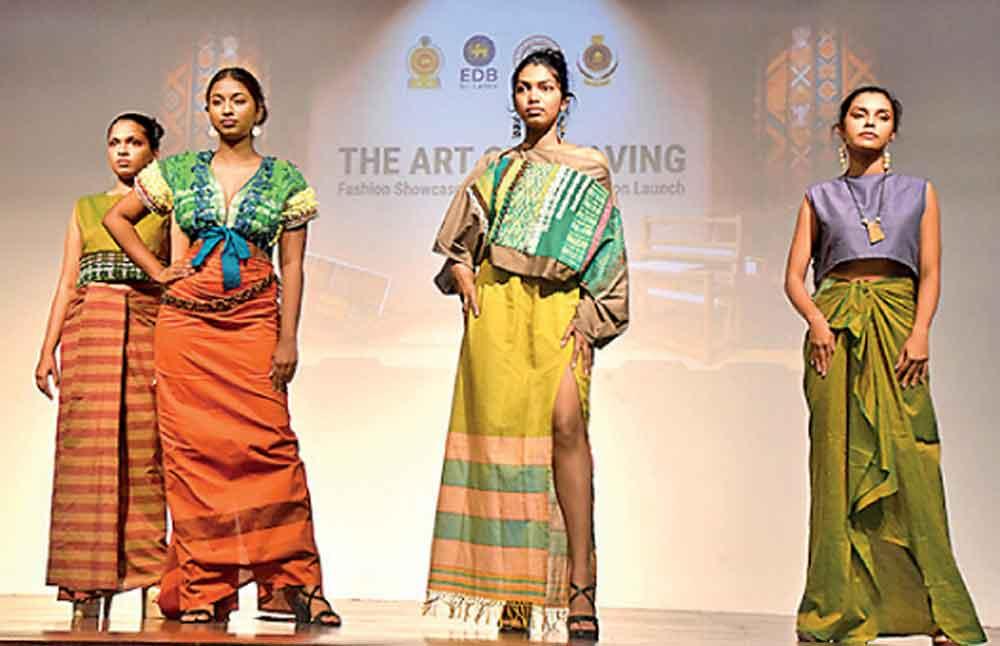
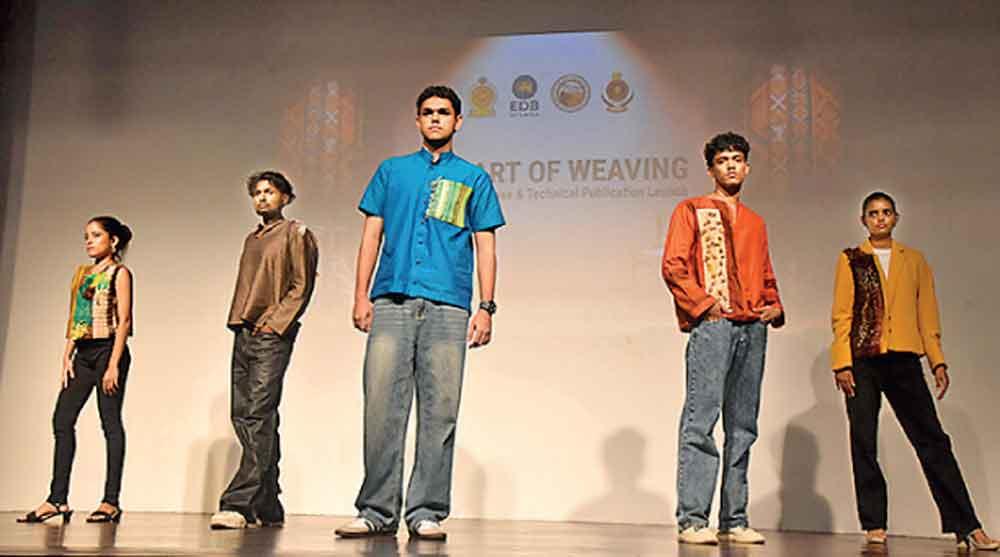
The Sri Lanka Export Development Board (EDB), together with the Industry and Entrepreneurship Development Ministry, Textile Industries Department and University of Moratuwa, held a workshop titled ‘The Art of Weaving’, alongside a fashion showcase and the launch of a technical publication aimed at strengthening the country’s handloom industry.
The initiative brought together the policymakers, academics, designers, entrepreneurs, artisans and industry representatives to identify the opportunities to improve competitiveness through technology, value addition and market diversification.
EDB Chairman and Chief Executive Officer Mangala Wijesinghe said Sri Lanka’s handloom industry possesses a strong export potential as international consumers increasingly seek sustainable, authentic and ethically produced products.
“Sri Lanka’s handloom sector represents a unique blend of cultural heritage and economic opportunity. By focusing on innovation, quality enhancement, branding and market diversification, we can transform this traditional industry into a globally competitive export sector while preserving its rich heritage,” Wijesinghe said.
Sri Lanka’s handloom industry supports thousands of artisans and small-scale entrepreneurs while preserving weaving techniques passed down through generations. The industry stakeholders believe the sector is well placed to tap premium niche markets as demand grows for environmentally sustainable and ethically produced textiles.
Discussions during the workshop focused on improving production techniques, enhancing product quality, strengthening branding strategies and expanding market access for handloom products. A fashion showcase demonstrated how traditional weaving craftsmanship can be integrated with contemporary fashion design, highlighting the commercial potential of Sri Lankan handloom textiles while maintaining their cultural identity.
The event also marked the launch of a technical publication, offering technical guidance, best practices and quality improvement measures aimed at improving productivity and international competitiveness.
Wijesinghe stressed the EDB would continue supporting the handloom exporters through export promotion initiatives, capacity-building programmes, market intelligence services and strategic partnerships that connect the local producers with international buyers.