Reply To:
Name - Reply Comment
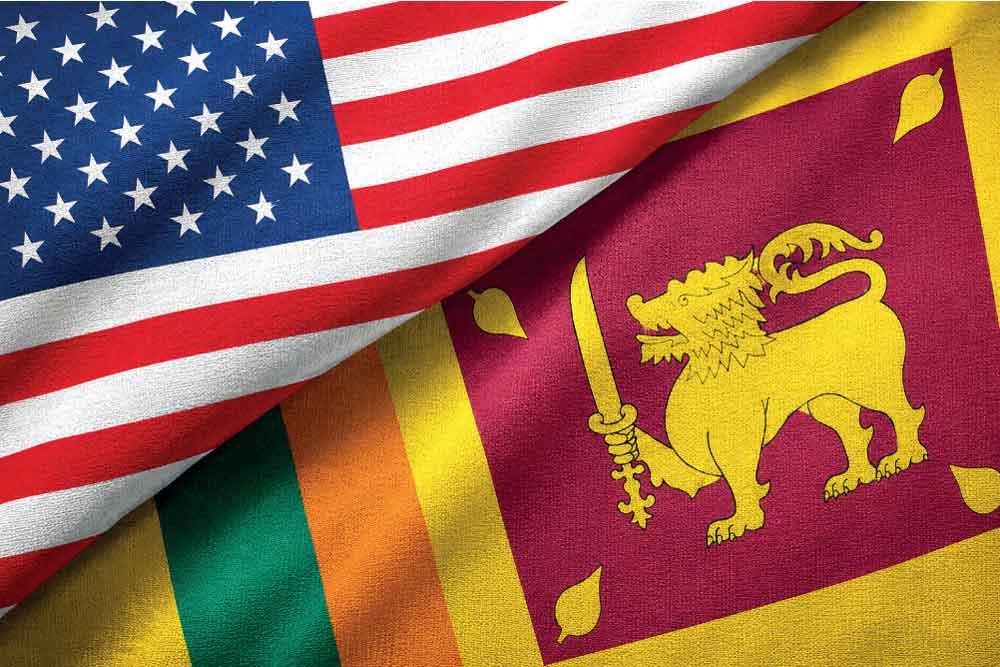
The United States (US) has placed Sri Lanka in the lower 10 percent tariff tier, under its latest trade action targeting the countries over forced-labour goods, after Sri Lanka moved to prohibit imports produced using forced labour, offering some relief to the exporters heavily dependent on the American market.
The Office of the United States Trade Representative (USTR) confirmed that Sri Lanka is among 17 economies subject to a 10 percent additional duty, under Section 301 of the Trade Act, instead of the 12.5 percent rate imposed on the countries that have not taken sufficient action to prohibit imports produced through forced labour.
The decision marks the latest turn in more than a year of tariff uncertainty for Sri Lankan exporters, which began when US President Donald Trump in April 2025 initially announced a 44 percent “reciprocal” tariff on the Sri Lankan goods.
That rate was subsequently lowered to 30 percent, following the negotiations between Colombo and Washington and then reduced further to 20 percent in July 2025, easing the fears of a significant loss of competitiveness for Sri Lanka’s export industries, particularly apparel.
However, the tariff landscape changed again in February this year, when the US Supreme Court struck down the Trump administration’s use of emergency powers to impose the earlier reciprocal tariffs.
Washington subsequently introduced a temporary 10 percent global import surcharge, under Section 122 of the Trade Act, while simultaneously launching the Section 301 investigations into the trade practices of dozens of economies.
The latest action follows one of those investigations, focused on whether the trading partners adequately prohibit and enforce restrictions on the importation of goods produced using forced labour.
The USTR in June proposed a 12.5 percent additional tariff for the economies that had not introduced such restrictions, while signalling that the countries which enacted or committed to enforce forced-labour import prohibitions could qualify for a lower 10 percent rate.
Sri Lanka at the time faced the prospect of the higher 12.5 percent levy and moved to strengthen its customs and labour framework in response.
The Finance Ministry yesterday said the government’s decision to prohibit imports of goods produced through forced labour resulted in Sri Lanka qualifying for the lower tariff.
“This will have a positive impact on the exporters and reflects Sri Lanka’s continued commitment to promoting fair trade, responsible business practices and internationally recognised labour standards,” the ministry said. The USTR separately confirmed Sri Lanka’s inclusion in the 10 percent category, alongside the countries including Bangladesh, India, Pakistan, Cambodia, Malaysia, Indonesia and the United Kingdom.
Under the US decision, the 10 percent rate applies to the investigated economies that have imposed a forced-labour import prohibition, committed to impose and enforce one through a trade agreement or introduced a partial regime that prevents the importation of certain forced-labour goods. For Sri Lanka, the outcome is significant, given the country’s heavy reliance on the US market.
The US remains Sri Lanka’s largest single export destination, accounting for about 22 percent of merchandise exports. Sri Lanka exported goods worth nearly US $ 3 billion to the US in 2025, with apparel dominating the shipments. The apparel sector is particularly exposed to changes in the US trade policy. The industry employs around 300,000 workers and the US absorbs a substantial share of its exports.
The latest Export Development Board (EDB) data shows that Sri Lanka’s exports to the US reached US $ 1.44 billion during the first six months of 2026, broadly unchanged from a year earlier.
The apparel and textile sector, however, has been under pressure, with exports falling 6.1 percent year-on-year to US $ 2.44 billion during January-June. The EDB attributed the decline partly to subdued demand in the US and European Union. The new US tariff regime therefore removes one immediate risk for Sri Lanka by preventing the country from slipping into the higher 12.5 percent bracket, while placing it broadly alongside several of its key Asian apparel competitors.
However, the 10 percent duty still represents an additional cost on most covered Sri Lankan goods entering the US and does not eliminate the broader competitiveness challenge facing the exporters.
The Finance Ministry said the lower rate would strengthen the competitiveness of Sri Lankan exports and send a positive signal to the investors and international buyers about the country’s commitment to internationally recognised labour standards and sustainable economic reforms.