 SHABIYA ALI AHLAM
 Reply To:
Name - Reply Comment
NEXT Katunayake plant
By Shabiya Ali Ahlam
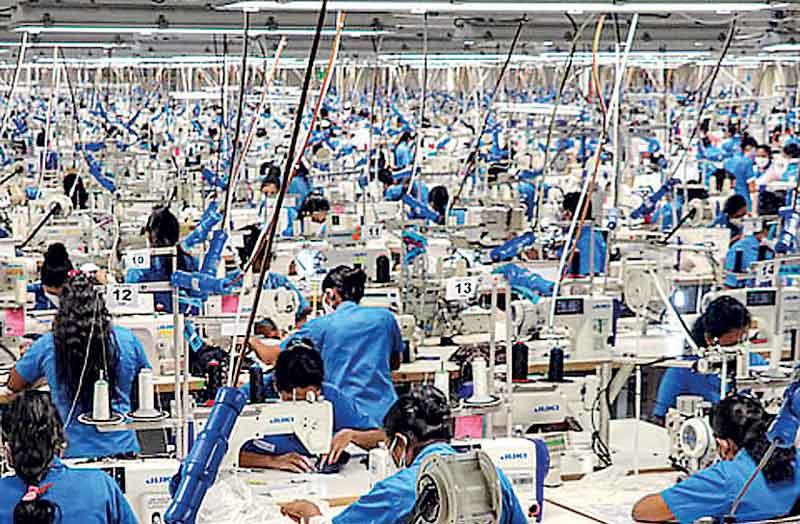
Sri Lanka’s apex apparel body has sounded the alarm on the growing burden of operational costs, calling for urgent, industry-wide collaboration following the sudden closure of NEXT’s Katunayake plant, one of the largest single-factory shutdowns in recent times.
“This development highlights the need for urgent, collaborative efforts to address cost pressures and safeguard long-term industry viability,” Joint Apparel Association Forum (JAAF) Secretary General Yohan Lawrence told Mirror Business.
The Forum acknowledged NEXT’s commitment to legally compensate affected employees and, subject to an agreement, to enhance the statutory severance package.
NEXT cited the “high operational costs of Katunayake” as the core reason for its decision, confirming it will continue operating its other two production facilities in Andigama and Nawagaththegama. The product development plants within the Katunayake Free Trade Zone will also remain open, albeit with reduced staffing, while Colombo’s sourcing office is to remain unaffected.
The move has impacted over 1,400 workers, many reportedly unaware of the closure until the public announcement.
Elaborating on the incident, Lawrence pointed out that JAAF has long flagged the need to bring local utility and labour costs in line with regional standards. “While Sri Lanka continues to offer a competitive and ethical manufacturing environment, it is vital that operational costs are globally competitive,” he asserted.
The shockwaves from NEXT’s decision are being felt beyond the gates of Katunayake. The Free Trade Zone Manufacturers Association (FTZMA) indicated that while the closure came swiftly, the signs had been present for some time.
“There was a lingering sense that such an outcome was becoming increasingly likely,” said FTZMA Chairman Dhammika Fernando, referring to NEXT’s official statement. The statement from NEXT’s CEO detailed, “… due to increasingly high operating costs, for some years the plant has been unprofitable, and despite their considerable efforts to rectify the situation, they have not been able to make the company economically viable.”
Fernando further alluded to broader organisational realities that can affect large-scale operations. He suggested that when an organisation’s structure becomes increasingly top-heavy, operational inefficiencies can compound, leaving it vulnerable to internal strain and external shocks.
He stressed that despite the disruption, NEXT has assured compliance with the Termination of Employment of Workmen Act (TEWA), alongside ex gratia payments and full settlement of statutory dues.
In what could be a silver lining, Fernando mentioned that the release of a trained and experienced workforce has already caught the attention of other apparel exporters seeking to recruit skilled labour.
“This closure should not be seen as indicative of a broader trend or systemic issue. It appears to be a standalone incident, an exception rather than a signal of industry-wide contraction,” he noted.