Reply To:
Name - Reply Comment
By Nishel Fernando
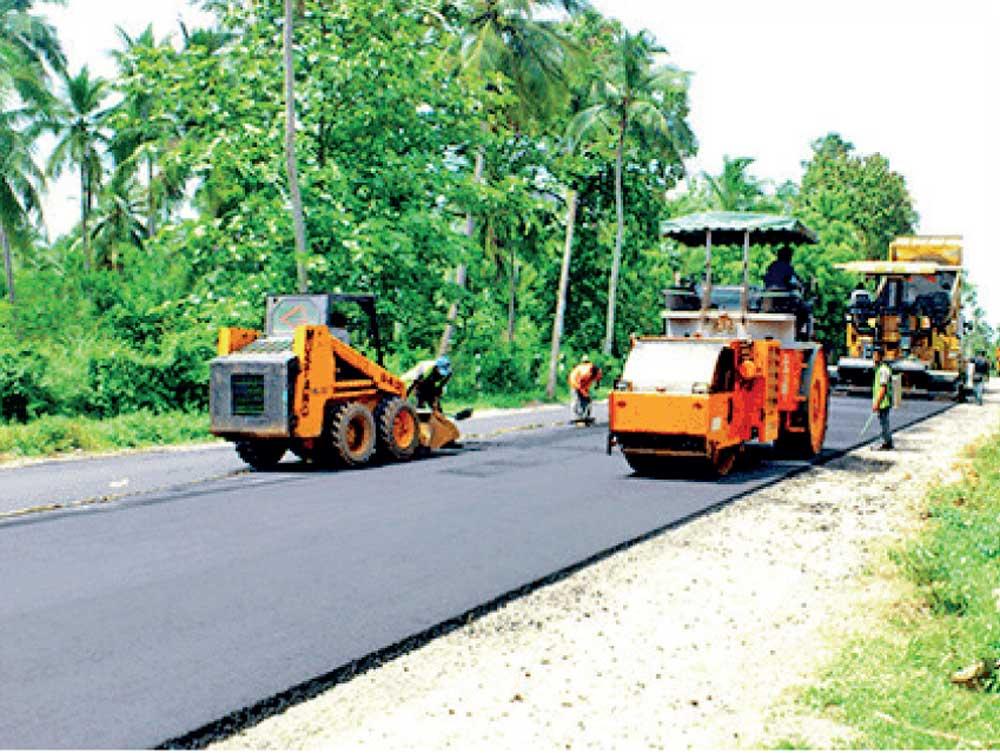
The local construction sector is poised to play a pivotal role in the country’s post-disaster economic recovery, with a renewed focus on reconstruction and climate-resilient infrastructure following the devastation caused by Cyclone Ditwah.
Access Engineering PLC Deputy Chairman Christopher Joshua highlighted that the industry is gearing up for a strategic shift, driven by urgent rehabilitation and reconstruction needs. Speaking on the aftermath of the cyclone, Joshua noted that recent reports indicate around 230 major roads were made impassable and at least 10 bridges were damaged across the island, severely disrupting connectivity and logistics chains.
These figures align with data from First Capital Research (FCR), which reported that 206 roads were blocked and sections of the rail network and power grids impaired, causing an estimated economic damage of up to US$ 1.07 billion. Consequently, the government is set to prioritise reconstruction efforts, with a secondary but critical emphasis on developing climate-resilient infrastructure in critical areas to withstand future weather anomalies in order to mitigate its impacts after such events.
Joshua mentioned that the government has allocated Rs. 1.3 trillion in the 2026 budget towards capital and maintenance expenditure for infrastructure development where the bulk of it is for development including a massive allocation of approximately Rs. 342 billion specifically for roads and highway development. He noted that this funding is likely to be allocated to time-sensitive reconstruction projects, ensuring that essential transport networks are
restored rapidly.
According to Joshua, there is sufficient funding available that can be prioritised to meet these urgent needs. This sentiment is echoed by FCR, which observes that while private investment activity may weaken as operations are disrupted, government expenditure is expected to rise moderately due to emergency relief measures and infrastructure repairs.
The research arm of First Capital further notes that the government-led reconstruction stimulus is expected to trickle down to the construction sector, potentially offsetting the dip in consumption and supporting a positive medium-term outlook for equity markets. Although the disaster is projected to trim GDP growth by approximately 0.5 percent to 0.7 percent, the influx of public investment into rehabilitation is anticipated to instill confidence among investors and drive activity in the construction space.