Reply To:
Name - Reply Comment
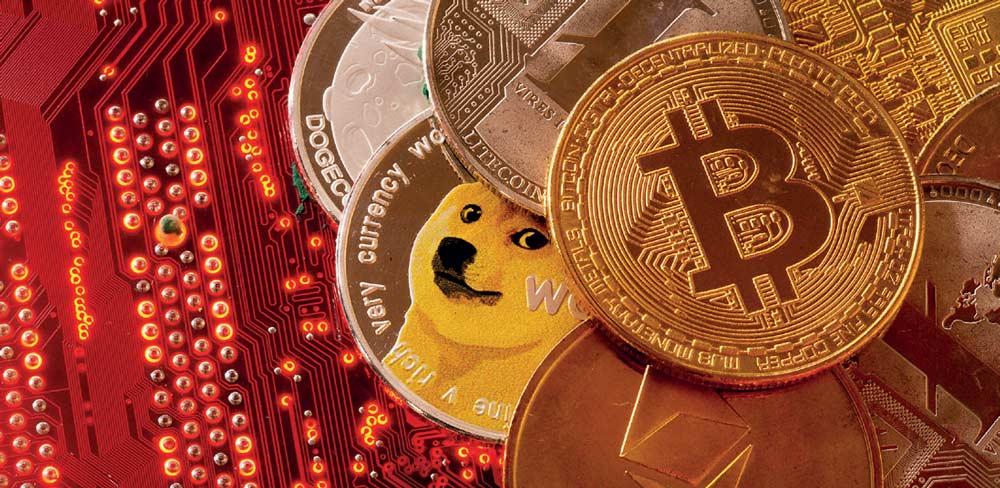
In a move to crack down on potential money laundering, the Central Bank of Sri Lanka announced it will soon mandate that all cryptocurrency (crypto) and virtual asset service providers register with the government to continue their operations.
To achieve this, the Central Bank has proposed necessary amendments to the Financial Transactions Reporting Act (FTRA), which will bring these service providers under the Act’s remit. The draft legislation is currently with the Legal Draftsman’s Department, and parliamentary approval is expected soon.
The FTRA is designed to combat money laundering and terrorist financing by enhancing the transparency of financial transactions. It imposes specific reporting requirements on financial institutions for suspicious activities and large-scale transactions.
The passage of these amendments will place crypto service providers under the supervision of Central Bank’s Financial Intelligence Unit (FIU), the body responsible for upholding international anti-money laundering standards.
This regulatory push is a key preliminary step for Sri Lanka’s upcoming mutual evaluation under the Anti-Money Laundering & Countering Financing of Terrorism (AML/CFT) framework, scheduled for next year.
Entities such as banks, casinos, and the gem and jewellery industry are already under the FIU’s purview. Sri Lanka will be required to identify all virtual asset service providers and ensure they report their transactions to the FIU.
“After they register with the FIU, they have a responsibility to report all transactions made in and through virtual currencies, just as a bank does,” said Central Bank Governor Dr. Nandalal Weerasinghe. “This is to ensure that these currencies are not used for any form of money laundering.”
While the use of crypto as a medium of payment is illegal in Sri Lanka, it is used as an investment vehicle or asset class. Although there are no laws governing crypto as an asset, the Central Bank is focused on preventing its use for illicit financial activities, hence the new registration and reporting requirements.
Dr. Weerasinghe clarified that the Central Bank is not attempting to regulate crypto as an asset—a decision he stated rests with the government. Instead, the goal is to create transparency.
He further emphasised that the new rules will not apply to individuals who personally hold crypto. “This applies to those who publicly offer services to buy, sell, or facilitate crypto transactions,” he noted. If service providers are found to be involved in money laundering, the FIU can impose penalties.
This approach is similar to that of many other countries that have not recognised crypto as a medium of payment or a safe investment. The Central Bank of Sri Lanka continues to warn the public about the volatility and risks associated with crypto assets. “What we always say as the Central Bank is that this (crypto) is a very risky investment,” Dr. Weerasinghe added.
The increased focus on crypto comes amid a global surge in its popularity and value. The prices of cryptocurrencies such as Bitcoin, Ethereum, and Tether have soared, driven in part by a more favourable regulatory environment in the United States since President Trump won re-election last November. In July, the U.S. Congress passed its first major national cryptocurrency legislation, the “Genius Act,” which was signed into law by Trump.
Reflecting this trend, the price of Bitcoin has risen by 62.7 percent to US$ 109,459 as of Friday’s market close, up from its value on November 5, 2025, when Trump was re-elected. The prices touched as high as US$ 122,808 on August 13, 2025.