 KELUM BANDARA
Reply To:
Name - Reply Comment
*Calls upon Govt. to sign Rome Statute of ICC
*It is a step that would place the country’s leaders - both political and military - within the reach of international prosecution
In a recommendation with far-reaching political and legal consequences, the Office of the United Nations High Commissioner for Human Rights (OHCHR) has urged Sri Lanka to accede to the Rome Statute of the International Criminal Court (ICC) — a step that would place the country’s leaders - both political and military - within the reach of international prosecution for serious violations of humanitarian and human rights law.
It is the international treaty that founded the Court. It establishes the governing framework for the Court. Adopted at the Rome Conference on 17 July 1998, it entered into force on July 1, 2002, creating the International Criminal Court. The past governments declined to make Sri Lanka a signatory to the Rome Statute.
The ICC has no jurisdiction over war crimes committed in Sri Lanka as a result. Sri Lankan leaders and Armed Forces personnel cannot be tried before the ICC as a result.
The court, established in 2002 to prosecute individuals for the most serious crimes under the Rome Statute, has 125 member states that have ratified the treaty as of April 2025.
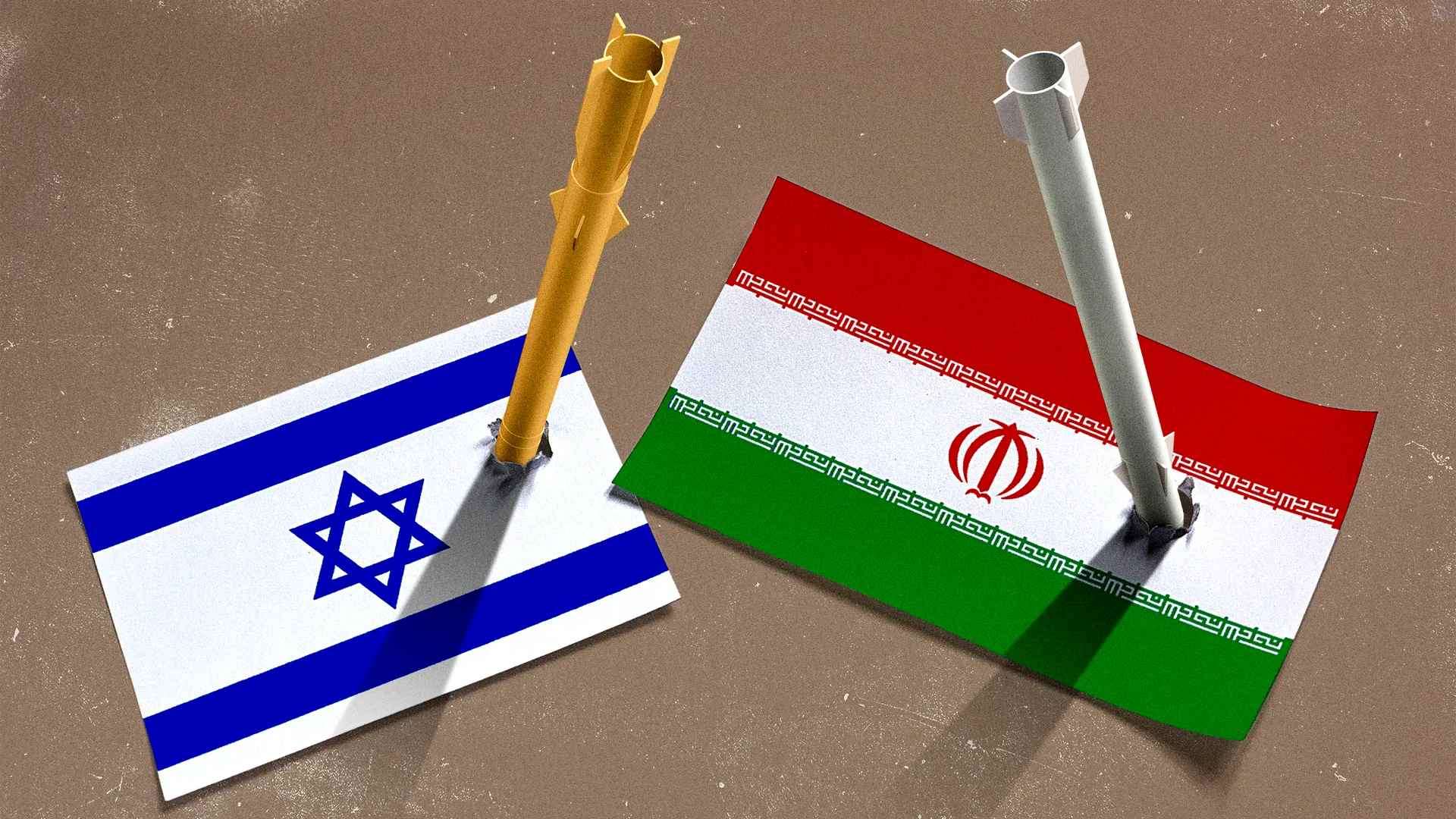
Currently, Israeli Prime Minister Benjamin Netanyahu is facing an ICC arrest warrant. He recently avoided flying over certain European countries that might enforce the arrest warrant against him in the event of a landing.
The Statute sets out the Court's jurisdiction over genocide, crimes against humanity, war crimes and – as of an amendment in 2010 – the crime of aggression. In addition to jurisdiction, it also addresses issues such as admissibility and applicable law, the composition and administration of the Court, investigations and prosecution, trials, penalties, appeal and revision, international cooperation and judicial assistance, and enforcement.
In the latest situation report on Sri Lanka, the UN High Commissioner for Human Rights calls upon the government to create an enabling environment for what is called ‘ transitional justice’ by acceding to the Rome Statute of the International Criminal Court, implementing confidence-building measures such as releasing military-held lands, halting new land seizures and accelerate titling efforts in the north and east, releasing all long-term detainees under the Prevention of Terrorism Act, supporting victim’s memorialization initiatives and ensuring impartiality of the Office on Missing Persons.