Reply To:
Name - Reply Comment
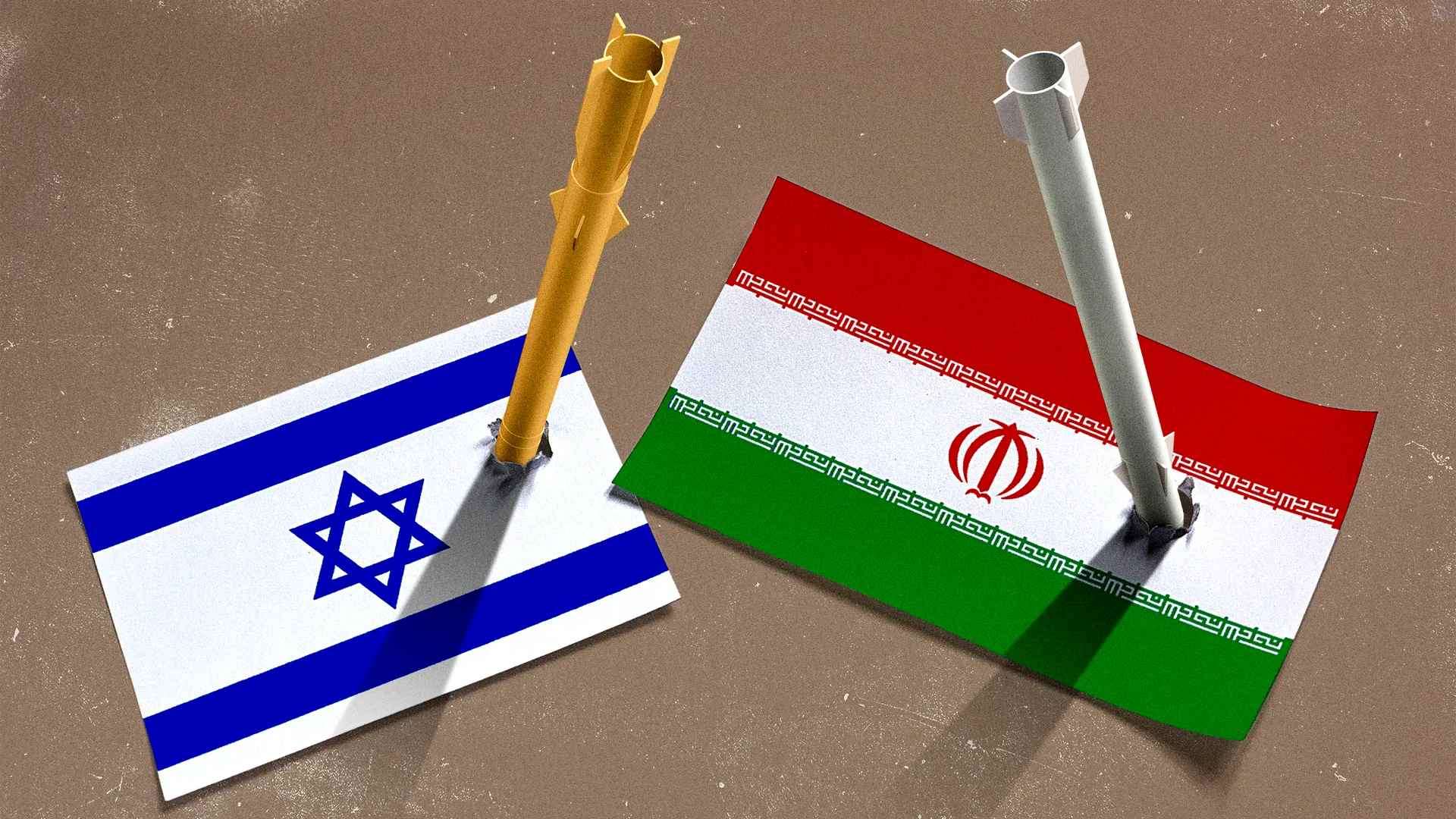
npr - The U.S. and Iran reached a ceasefire deal on Tuesday, less than two hours before the deadline President Trump imposed for Iran to meet his demands or else face wide-scale destruction.
As part of the agreement, set to take effect immediately, Trump said the U.S. and Israel would suspend bombing Iran for two weeks, subject to Iran following through on its commitment to reopen the Strait of Hormuz for safe passage during the ceasefire period.
The negotiations — facilitated by Pakistan — mark a breathtaking comedown from Trump's pledge made early Tuesday that a "whole civilization will die tonight, never to be brought back again" if a deal could not be reached by 8 p.m. ET to open the strait.
In announcing the deal, Trump wrote on his social media platform: "This will be a double sided CEASEFIRE! The reason for doing so is that we have already met and exceeded all Military objectives, and are very far along with a definitive Agreement concerning Longterm PEACE with Iran, and PEACE in the Middle East."
The president added that Iran has proposed a "workable" 10-point peace plan that includes what he described as "points of past contention," which "have been agreed to between the United States and Iran." The extra time, he said, will allow the agreement to be finalized.
Iranian leaders are also touting the ceasefire as a victory, noting that the "criminal U.S." has agreed to "the general framework" of Iran's 10-point proposal.
"Good news to the dear nation of Iran! Nearly all the objectives of the war have been achieved," the Supreme National Security Council said in a statement.
According to Iranian officials, the proposal—delivered to the United States via Pakistan— requires the lifting of all sanctions and UN resolutions against Iran, alongside the release of Iranian assets held overseas. Other demands include the withdrawal of U.S. combat forces from military bases across the region, compensation in the form of estimated reparations, and Iran's right to nuclear enrichment.
Iran officials warned that any deviation from the agreement could lead to future violence.
"Our hands are on the trigger, and the moment the enemy makes the slightest mistake, it will be met with full force," the Supreme National Security Council said.
Iran's foreign minister Seyed Abbas Araghchi thanked Pakistan Prime Minister Shehbaz Sharif for his role in the negotiations.
"If attacks against Iran are halted our Powerful Armed Forces will cease their defensive operations," Araghchi said in a statement. He added: "For a period of two weeks, safe passage through the Strait of Hormuz will be possible via coordination with Iran's Armed Forces and with due consideration of technical limitations."
Sharif, who has been acting as an intermediary between Tehran and Washington, said the ceasefire will take effect immediately, and includes "Lebanon and elsewhere." The prime minister will remain at the forefront of negotiations in the coming week. He has invited delegations from the U.S. and Iran to "settle all disputes" in continued diplomatic talks in Islamabad on Friday, April 10.
"Both parties have displayed remarkable wisdom and understanding and have remained constructively engaged in furthering the cause of peace and stability," Sharif wrote in a post on X, and expressed optimism that the Islamabad talks would result in sustainable peace.
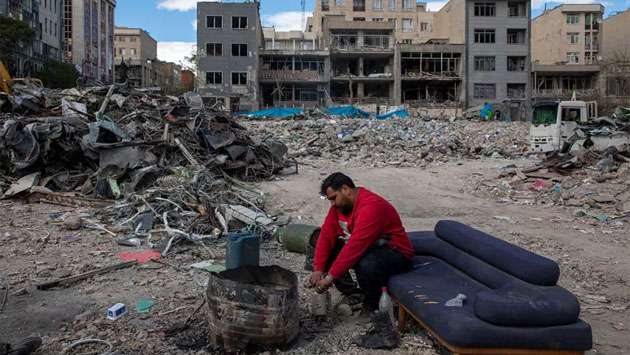
Prior to the ceasefire agreement, Trump had threatened to destroy bridges, power plants and water treatment facilities; moves that would imperil the entire population of Iran. Wide-scale destruction of infrastructure, without any distinction between civilian and military targets, would be considered a war crime under international and U.S. law, legal experts tell NPR.