Reply To:
Name - Reply Comment
By Panduka Keerthinanda
Colombo, June 5 (Daily Mirror) - It is easy to read headlines about the coming Super El Niño in 2026 and feel a familiar dread. After the economic implosion of 2022, the agricultural wipeout of 2021, and the floods of recent years, we suffer from climate fatigue. We treat these warnings like astrological prophecies vague, distant, and unavoidable.
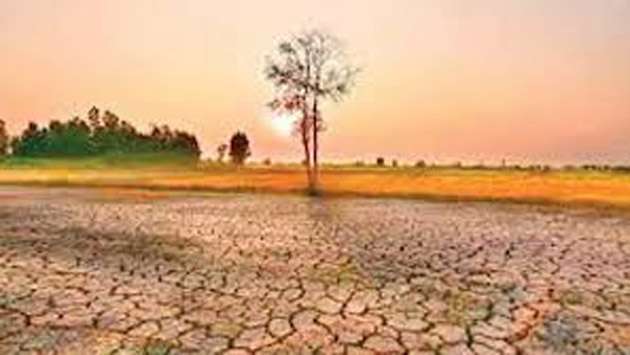
The international models are not predicting a "maybe." They are counting down to a deadline. By mid-2026, a convergence of warming oceans and atmospheric pressure shifts is expected to deliver the most violent weather whiplash this generation has seen: six months of crippling drought followed by months of unprecedented monsoon floods.
Through this climate change phenomenon, there is an increased risk of extreme dryness, drought conditions, and wildfires in Australia, India, and the Amazon rainforest regions, as well as a risk of flooding due to heavy rainfall in parts of South America and Africa.
However, this is also reported to have a severe impact on agriculture, leading to crop destruction and supply chain breakdowns, which could cause global food prices to rise and result in economic losses amounting to trillions of dollars.
Unlike the 2016 drought or the 2017 floods, the 2026 Super El Niño is a compound disaster. First, the paddy lands of the Dry Zone (Anuradhapura, Polonnaruwa, Hambantota) will crack under a drought lasting up to eight months. The Mahaweli reservoirs will drop below critical levels, slashing hydropower by over 60% and forcing the Ceylon Electricity Board (CEB) into expensive, dollar-crushing thermal purchases.
Then, just as the ground becomes too hard to absorb water, the rains will return with a vengeance. The Kelani, Gin, and Nilwala rivers will rise faster than our warning systems can react. Urban Colombo, already sinking and clogged, will become a basin.
We are not facing a single disaster. We are facing an economic seizure, a food crisis, and a humanitarian evacuation event, all rolled into one year.
Frankly, no. Our early warning systems are still manual and slow. Our irrigation canals are 500 years old and leaking. Our food security policy still hinges on a single crop (paddy) that drowns in two hours of rain and dies in two weeks without it.
However, "not ready" is not the same as "doomed." The next 18 months are the last window to convert this prophecy into a work plan.
We must take immediate Precautions.
1)For Food Security: Stop Farming Like it is 1980s.We cannot afford to gamble an entire Yala season on paddy. The Department of Agriculture must immediately issue a compulsory diversification order for the 2025/26 Maha season.
2.The loss of hydropower will cripple industry.
3.The Aswesuma welfare system is not designed for climate shocks.
The greatest obstacle is not our lack of resources, but our love of the "middle path." We wait for the President to make a statement. We wait for the IMF to release funds. We wait for the rain to come.
We saw in 2022 what happens when we run out of foreign reserves for fuel. In 2026, we will run out of water and food. The same panic, the same lines, the same helplessness unless we treat this as a national security mobilization.
The farmer in Mahiyangana needs a drought-resistant seed today, not a prayer in 2026. The resident of Modara needs a canal dredged today, not a helicopter rescue in two years.
Consider this not a prophecy of doom, but a rare gift: a natural disaster we can see coming from two years away. No earthquake gives us that warning. No tsunami allows for preparation.
If we spend 2026 arguing, procrastinating, and politicking, then the end of 2026 will indeed be hell. But if we use this deadline to diversify our crops, harden our power grid, and clean our drainage, we will do something extraordinary to fight against this deadline. This catastrophic climate event does not wait for cabinet approval.