Reply To:
Name - Reply Comment
My dear Sri Lankans,
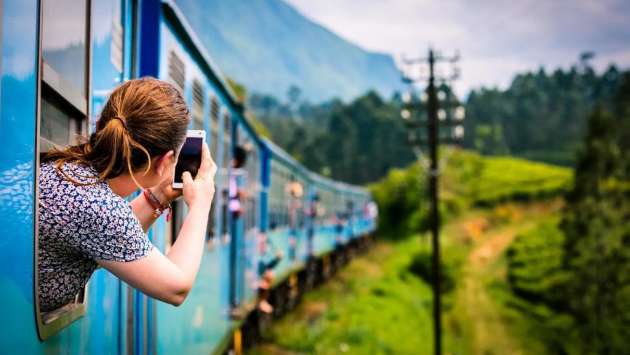
Last week, Sri Lanka went viral and sadly, for all the wrong reasons. A friend sent me a video that was spreading rapidly on Instagram. It showed a female tourist driving a tuk-tuk in the Arugam Bay area, filming herself, most likely for TikTok. Minutes into her ride, she said she was being followed by a local man on a motorbike. When she pulled over, he stopped too and walked right up to her while the camera was still rolling.
What happened next was nothing short of disgraceful.
The man who was a complete pervert, because there is no softer word for him, asked her if she wanted sex. When she firmly said no, he simply wouldn’t accept it. He unzipped his shorts, exposed himself, and made lewd gestures, trying to lure her. Shocked and frightened, the tourist quickly drove away, warning her viewers to beware of such Sri Lankans. She later posted the full video online, and within hours, it spread across the world.
The police are now searching for him, but by the time he is caught, the damage to our country’s image will already be done. Once again, Sri Lanka has been shamed by one man’s disgusting behaviour.
We constantly hear that tourism is our biggest hope for economic recovery. We hear about campaigns, promotions, marketing strategies, and new plans. But there is an uncomfortable truth we keep avoiding. No amount of glossy advertising can save our tourism industry if our behaviour keeps driving visitors away.
Yes, the government must do its part. But so must we as the ordinary citizens. The people who meet tourists on the roads, in restaurants, on the beaches, in taxis and tuk-tuks. We cannot keep pretending that tourism is something only the government must fix while we ignore what’s happening right in front of us.
Let’s start with the word many avoid using and that is HARASSMENT.
Ask some women who have travelled alone in Sri Lanka, and you will hear the same stories. Being followed. Being stared at. Being touched in crowded transport. Being approached with inappropriate comments. What we casually dismiss as “just being friendly” often feels threatening, humiliating, and unsafe. Some incidents are far worse as there are assaults that go unreported because victims simply want to leave quietly and forget the experience.
We brand Sri Lanka as warm and welcoming, yet some visitors leave feeling violated or afraid. One incident can spread online faster than any expensive tourism campaign we create. It takes only one viral story for someone on the other side of the world to decide that Sri Lanka is not worth visiting. And when that happens, millions of dollars in economic losses for the country and a blow to the livelihood of thousands.
Another problem we refuse to fix is transport.
Let’s be honest. Tuk-tuk scams have become part of our identity, and it is nothing to be proud of. Tourists already arrive being warned to be careful in Sri Lanka knowing the tuks will rip them off. Is that the image we want? Because whether we like it or not, that is the image we have earned. Many drivers are honest, but the few who cheat, harass, or intimidate tourists tarnish everyone else.
Worse, in some areas tuk drivers now form small “gangs,” chasing away Uber and PickMe drivers. They tell tourists they cannot use ride-hailing apps, and some even threaten Sri Lankan drivers who arrive to pick up foreigners. It is shameful, and it is illegal. But it continues because no one stops them, not the authorities, and not the public who witness it.
Then we say we want high-spending tourists. But what kind of visitor will tolerate being bullied on the street simply for choosing how they want to travel?
Public transport adds to the problem. Foreigners who try to use buses often end up squeezed in with no comfort, no cleanliness, and sometimes no safety. Many walk away shaken. Some are harassed there too. If we cannot guarantee even a basic, safe bus ride, how can we expect families or solo female travellers to feel secure?
And then there is our behaviour with nature.
Last month, during a visit to Nuwara Eliya, I stopped at a beautiful waterfall. As refreshing as the water was, what I witnessed was disgusting. A local family ahead of us had finished a meal wrapped in plastic sheets. The women casually threw the plastic with leftover food still inside straight into the water where other visitors were bathing. Watching a pristine waterfall turn into a garbage bin was heartbreaking.
Locals in the area told me this was common, especially among many local tourists who show no respect for the environment. They pollute, leave their trash behind, and walk away without a second thought.
When a tourist is harassed, cheated, or disgusted by how we treat our natural spaces, that story spreads faster than any promotion campaign. One person’s bad experience becomes a warning to thousands.
Sri Lanka is blessed with immense natural beauty, rich culture, and warm traditions. But beauty alone cannot save a country from the actions of its own people. This is the truth we refuse to face.
If we truly want tourism to thrive, and we desperately need it to, then change must begin with us. Tourists are not cash machines. They are guests. They deserve dignity, respect, and safety. Hospitality is not something we boast about, it is something we must show through our behaviour.
The government can improve infrastructure, launch campaigns, and increase policing. But it cannot fix our attitudes. Only we can do that.
If we want Sri Lanka to rise again as a top destination, then we, its citizens, must become the reason tourists choose this country, not the reason they avoid it.
Only then will tourism become the success story we keep dreaming of.
Yours truly,
Jamila Husain
Editor-in-Chief