 CHATURANGA PRADEEP SAMARAWICKRAMA
 Reply To:
Name - Reply Comment
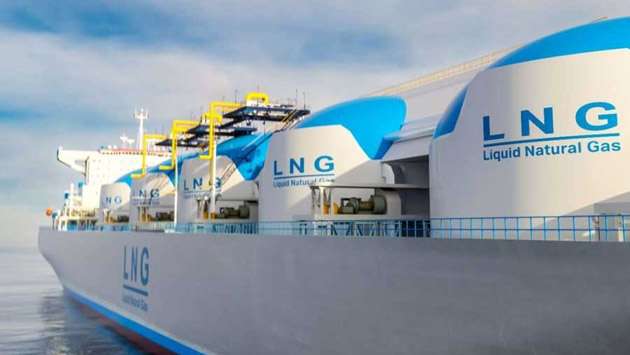
Colombo, June 11 (Daily Mirror) - Sri Lanka’s plans to expand liquefied natural gas (LNG)-based power generation is facing criticism due to high costs, delays in infrastructure, and continued use of diesel fuel. Environmental groups and energy experts say that because the country still does not have a LNG terminal, power plants built to run on LNG are currently operating on diesel.
Centre for Environmental Justice (CEJ) President Hemantha Withanage said the planned 350MW Sahasdanavi power plant could cost about US$50 million a year to keep ready for operation, even when it is not producing electricity. He said it is misleading to describe such projects as part of a clean energy transition when they still depend on fossil fuels.
Although Sri Lanka has spent billions of rupees on LNG-ready power plants, the country has not yet built the facilities needed to import and supply LNG. Because of this, the 350MW Sobadhanavi Combined Cycle Power Plant, which was designed to use LNG, is currently running on diesel.
Withanage said the Sobadhanavi plant is mainly used during dry periods when hydropower generation is low. However, the plant must remain ready to operate throughout the year, whether it is generating electricity or not.
The same issue is expected with the proposed Sahasdanavi power plant, which will also have to rely on diesel until LNG infrastructure is available.
The CEJ says it is difficult to call these projects “clean energy” when they continue to burn fossil fuels. The organisation pointed out that diesel is one of the most polluting fuels currently being used to generate electricity.
Environmental groups have also raised concerns about electricity costs. They estimate that electricity from the Sobadhanavi plant costs about Rs. 82 per unit, while diesel-powered generation costs around Rs. 86 per unit.
Another concern is the cost of LNG infrastructure. Withanage said maintaining LNG terminal facilities for 10 years could cost nearly US$1.2 billion. He warned that these costs could eventually be passed on to consumers through higher electricity bills.
He also said rising global LNG prices have reduced the economic benefits of LNG. According to his estimates, electricity generated from LNG-ready plants could cost as much as Rs. 150 per unit under current market conditions.
Supporters of LNG argue that it can improve Sri Lanka’s energy security and provide a reliable source of electricity. However, critics point out that Sri Lanka has no LNG reserves and no operating LNG terminal, making the country dependent on imported fuel and global market prices.
Former Energy Ministry Secretary K.T.M. Udayanga Hemapala told the Daily Mirror that the government has not decided to stop LNG projects, although previous tender processes have been cancelled. If the projects move forward, new tenders will have to be called under a revised business model.
Hemapala admitted that running LNG-designed plants on diesel is expensive and not profitable. As a short-term solution, he said it would be cheaper to invest in battery storage systems that can store renewable energy.
“Time is passing. Until battery systems are installed, diesel has to be used to meet electricity demand,” he said.
He highlighted that battery storage projects should be implemented quickly. According to him, if more renewable energy can be stored and used at night, the need for LNG could be reduced.
Hemapala also said that while Sri Lanka should continue planning for LNG in the long term, it should also invest in battery storage and other power generation methods to ensure a stable electricity supply over the next 20 years.
He added that nuclear power could be considered in the future. However, he said small nuclear plants would not be financially practical for Sri Lanka, while a larger plant of about 1,000MW could be considered after another decade.