 AJITH SIRIWARDANA
Reply To:
Name - Reply Comment
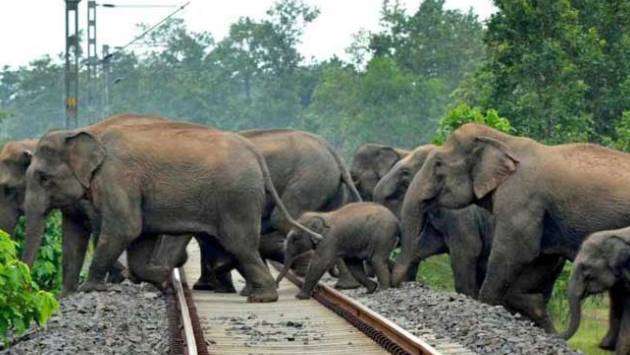
Colombo, March 6 (Daily Mirror) - Due to the construction of railways through wildlife habitats, elephant collisions with trains have increased significantly, the Centre for Environmental Justice (CEJ) said.
CEJ Chairman Hemantha Withanage said that these tragic incidents often occur when visibility is poor, particularly when elephants are crossing their traditional migration routes in search of food and water. Such accidents frequently happen at dawn or at night due to reduced visibility.
He said that the official records reveal that at least 151 wild elephants have died in train collisions over the past thirteen years.
He further said that the majority of these elephants are in their reproductive years, between 30 and 40 years of age, which is a critical factor contributing to the decline of the elephant population.
The Committee for the Prevention of Elephant Deaths by Train Collisions (CPEDTC) has identified 21 factors to help prevent these elephant deaths.
Elephant deaths due to train accidents are not just an environmental or conservation issue but also have a critical impact on Sri Lanka's identity and biodiversity. Elephants are a keystone species that play a vital role in maintaining the health of forest ecosystems. Their loss not only affects the environment but also the socio-economic and cultural fabric of the country.
On Monday (3), the CEJ filed a case before the Supreme Court against several respondents, including the Wildlife Conservation Director General, the Sri Lanka Railways General Manager, the Inspector General of Police, the Transport Minister, the Environment Minister, the Minister of Wildlife and Forest Conservation, the Defence Secretary and the Attorney General. The case seeks to prevent the serious disaster currently occurring in the country due to train collisions with wild elephants.
The petitioners said that Sri Lankan elephants, revered as a national treasure and integral to the cultural and environmental heritage of the island, are facing a grave threat from unexpected train collisions. This preventable tragedy has reached critical levels, underscoring the urgent need for collective action to protect these majestic creatures.