 DARSHANA SANJEEWA BALASURIYA
Reply To:
Name - Reply Comment
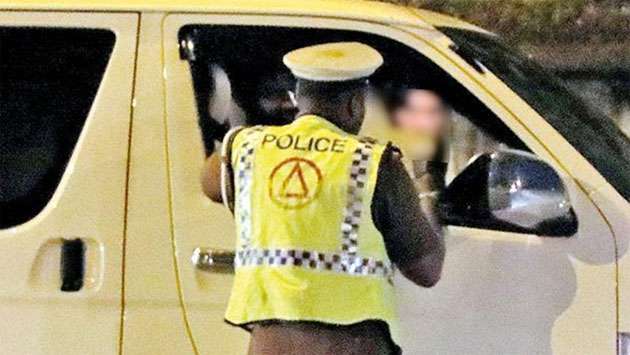
Colombo, March 16 (Daily Mirror) - The Sri Lanka Police issued a public clarification regarding the specific legal provisions that grant officers the authority to stop motor vehicles and request documentation from drivers.
According to the police, the primary authority for stopping a vehicle is derived from Section 162 of the Motor Traffic Act. This section explicitly states that every driver must obey all oral directions or hand signals given by a police officer in the uniform and execution of their duty. This includes orders to stop, reverse, slow down, or move to a specific side of the road to maintain the flow of traffic.
Addressing a common myth, the police clarified that any officer in uniform has the power to stop a vehicle, not just those belonging to the Traffic Division. While "Traffic Police" is a specialized administrative unit, the Police Ordinance confers the duty to prevent crimes and detect offenders upon all officers. Consequently, any uniformed officer may request to see a driver’s license, National Identity Card (NIC), or insurance documents if they suspect a violation has occurred.
Furthermore, the police said that a single officer is legally permitted to stop a vehicle and press charges. There is no requirement in the Motor Traffic Act for a second officer to be present as a witness for a traffic stop to be valid. However, officers often work in pairs for safety and to ensure comprehensive road coverage during checkpoints.
Motorists are reminded that failure to comply with a police officer's signal to stop is a punishable offense. Under current regulations, obstructing an officer in the performance of their duty can lead to significant fines or legal action in a Magistrate’s Court.