Reply To:
Name - Reply Comment
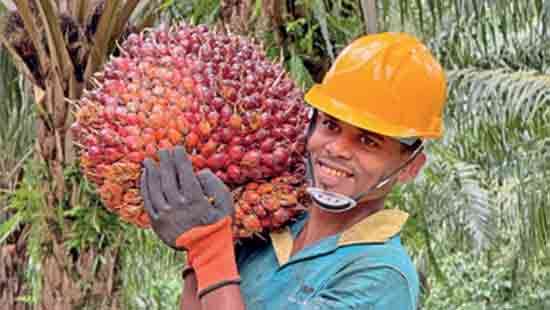
 The ban on palm oil cultivation has cost the country millions in foreign exchange and risks worsening its fragile economic recovery, the Planters’ Association of Ceylon (PA) said, urging the government to reverse the policy.
Annual consumption of edible oils stands at about 264,000 metric tonnes, but local production meets only a quarter of that demand. The shortfall is covered by imports, draining an estimated US$ 35 million each year from the country’s reserves. Over a five-year horizon, losses could top US$ 175 million, the Association warned.
“This was particularly damaging because palm oil was by far the most profitable crop in the sector, delivering average net margins of 49 percent and contributing in some cases to more than half of RPC profits. The abrupt prohibition has eroded profitability, diminished investor confidence and crippled a once-thriving segment of the industry,” said PA Secretary General Lalith Obeyesekere issuing a fresh statement yesterday.
The government banned palm oil cultivation in 2021 despite earlier policy support for expansion up to 20,000 hectares. The reversal put at risk about Rs. 23 billion in investments in nurseries, milling facilities and research. More than Rs. 550 million worth of seedlings were destroyed without compensation.
The PA said refiners and manufacturers have been hit by higher costs and delays, forcing greater reliance on imports. The bakery and confectionery industry, valued at over Rs. 200 billion, is among the worst affected, with shortages and price hikes in bread, biscuits and margarine.
Coconut oil, often used as a substitute, is a key export earner, generating Rs. 63 billion in 2020. Diverting supply to cover palm oil shortfalls undermines that export potential, the Association said.
Palm oil workers also earned nearly double the wages of tea and rubber workers, supporting about 5,000 direct jobs and 21,000 dependents.
“The industry contributed over Rs. 2.5 billion annually to plantation households, providing a steady source of income in regions where poverty is deeply entrenched,” the PA said.
Globally, palm oil accounts for 40 percent of vegetable oil supply while using only 6 percent of land. Indonesia and Malaysia, the world’s top producers, have adopted sustainability standards such as RSPO and ISPO to address environmental concerns. The PA argued Sri Lanka could do the same, since cultivation here has largely been restricted to old rubber lands rather than forests.
The Association went on to stress that the government should reconsider its stance and adopt global best practices, including sustainability certification and smallholder integration, to revive the sector.
“Sri Lanka’s palm oil ban has inflicted avoidable wounds on plantation companies, rural households, industries and the national economy. Yet the potential for revival remains,” it said.