 CHATURANGA PRADEEP SAMARAWICKRAMA
 Reply To:
Name - Reply Comment
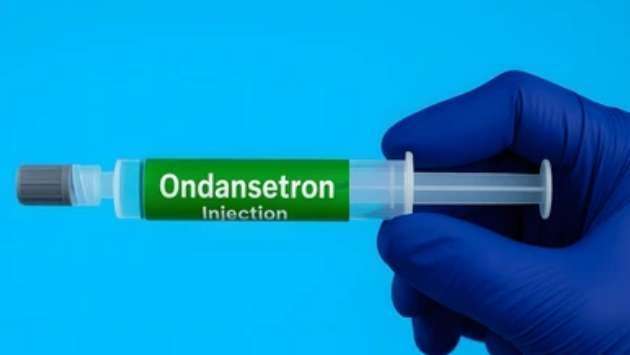
Colombo, Dec. 22 (Daily Mirror) - The controversial Ondansetron Injection, which was later identified as containing a bacterial toxin, had undergone laboratory testing before being imported to Sri Lanka and was cleared at the time, Chairman of the Doctors' Trade Union Alliance for Medical and Civil Rights, Dr. Chamal Sanjeewa, said.
Speaking to the media, Dr. Sanjeewa said that test reports issued prior to import had confirmed that the original samples did not contain bacterial toxicity. He said the importing company has confirmed that the drug was brought into Sri Lanka on four separate occasions.
According to him, the injections were manufactured in India in November 2024, May 2025 and August 2025. The four batches that were temporarily withdrawn from use were imported into Sri Lanka in February, July and September 2025.
On each occasion, 67,600 vials were imported, and the relevant institution has confirmed that all batches were tested at laboratories in India before shipment. Dr. Sanjeewa said the medicines were tested under ten different criteria and that the company had informed the Drug Regulatory Authority that all required tests had been successfully passed.
He warned that if the medicine is once again declared free of bacterial toxins based on Indian test results after arriving in Sri Lanka, it would cause serious damage to the credibility of the country’s health system. He stressed that legal action should be taken against politicians and government officials responsible for the incident, which he said has eroded public confidence due to poor health administration.
Dr. Sanjeewa explained that the regulatory process includes testing for basic quality standards such as pH value, appearance, composition, volume of medicine per vial, antimicrobial activity, presence of additional substances, bacterial toxicity and spectrum changes. He said all these parameters are tested during the approval process.
He added that
he has officially informed Maan pharmaceuticals Ltd. with relevant documentation, citing a letter issued by the institution, which confirms that the drug met all required standards in tests conducted in India.
According to European standards, bacterial toxin levels must be below 9.9 international units per milligram. Dr. Sanjeewa said the company’s letters to the Drug Regulatory Authority indicate that the toxin levels in the tested batches were within accepted limits.
He also pointed out that the Quality Control Laboratory of the Drug Regulatory Authority is not accredited by the Sri Lanka Accreditation Body (SLAB). Establishing a fully equipped, internationally accredited laboratory would cost around Rs. 5 billion, which he described as a relatively small amount compared to allocations made to the Presidential Fund.
Dr. Sanjeewa warned that failure to urgently establish such a facility would continue to put lives at risk due to substandard medicines and lead to major losses of public funds, as the state would be unable to recover payments made to pharmaceutical companies.