Reply To:
Name - Reply Comment
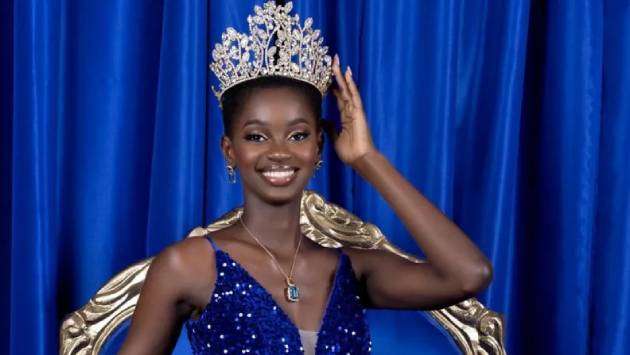
BBC - Long, flowing wigs and weave extensions have dominated the catwalks of Ivory Coast's massively popular beauty pageants for years.
Contestants in the West African nation often spend a huge amount of money on their appearance, from outfits to hairdos - with very few choosing the natural look.
In more than six decades, there have only been two notable exceptions, the most recent was Marlène-Kany Kouassi, who took the Miss Ivory Coast title in 2022 - looking resplendent with her short natural hair, the crown becoming her only adornment.
Her victory was not only unusual in Ivory Coast but across the world, where Western beauty standards are often the desired look both for those entering contests and for the judges.
Changes are slowly creeping in - last December Angélique Angarni-Filopon, from the French Caribbean island of Martinique, made headlines when she was crowned Miss France, mainly because of her age - she is 34 - and she also sported short Afro hair.
But this year the organisers of the Ivorian competition are shaking things up right from the start.
Wigs, weaves and hair extensions have been banned from the preliminary stages of the competition, which are held in 13 cities across the country (as well as two abroad for those in the diaspora).
"We want the candidates to be natural - whether with braids or straightened hair, it should be their own. Beauty must be raw," Victor Yapobi, president of the Miss Ivory Coast organising committee, told the BBC.
Ivory Coast is the only African country enforcing the ban for a national competition.
Mr Yapobi said the organisers in Ivory Coast had long been trying to promote a more natural look - for example cosmetic surgery is a no-no and skin lightening is frowned upon.
"We decided this year to truly showcase the natural beauty of these young women," he said.
Other changes have also been implemented, like allowing slightly shorter women to compete - the minimum is now 1.67m (5.4ft), increasing the age by three years to 28 and - crucially - lowering the entrance fee by more than $30 (£25) to $50.
"This change in criteria is because we observed these young women were putting up a lot of money to participate, and it was becoming a bit of a budget drain."
When the BBC joined the first preliminary pageant in Daloa, the main city in the western region of Haut-Sassandra, one contestant was overjoyed by the new rules - feeling it gave her a better chance of success as she prefers not to wear wigs.
"I would see other girls with long, artificial hair, and they looked so beautiful," 21-year-old Emmanuella Dali, a real estate agent, told the BBC.
"This rule gives me more pride as a woman - as an African woman."