 SHABIYA ALI AHLAM
 Reply To:
Name - Reply Comment
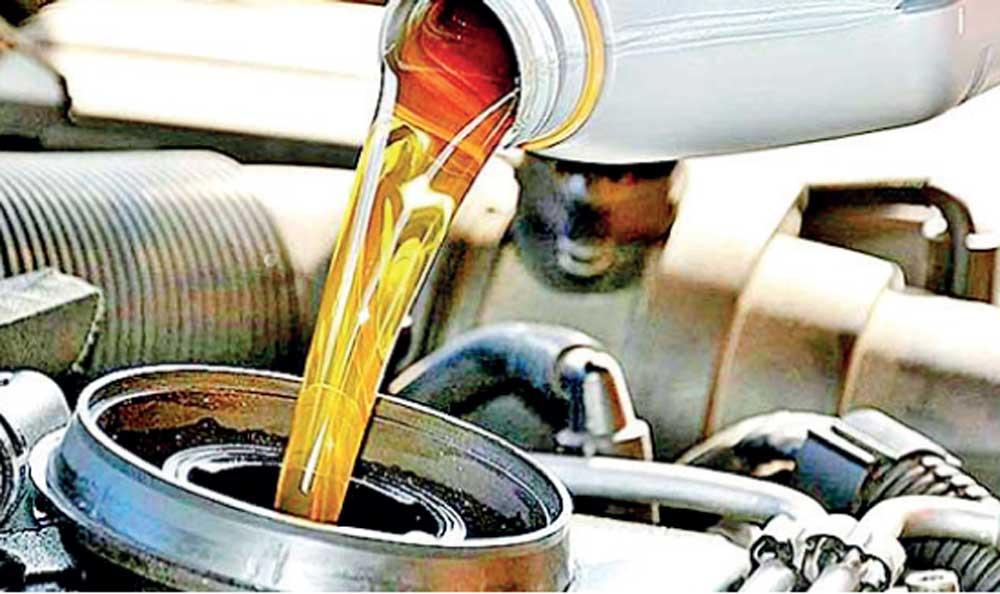
Sri Lanka’s lubricant industry remains without a dedicated regulatory framework over a year, since the formal plans were first announced.
While the previous administration failed to act on the commitment made in 2023, the current regime is yet to provide clarity on the matter, which is raising concerns across the sector.
The inaction continues despite the repeated calls for oversight and structure and as pressure mounts from the stakeholders, who have escalated the issue to the relevant authorities.
“Proper legislation and effective implementation will greatly help in stemming the current leakage in government revenue, due to the operation of unauthorised players,” noted Chevron Lubricants Lanka Managing Director/Chief Executive Officer Bertram Paul, in the company’s latest annual report.
In the second quarter of 2024, the Cabinet approved the formation of a panel headed by the Power and Energy Ministry secretary to draft the terms of reference for a petroleum sector regulator, intended to oversee liquified petroleum gas, fuels and lubricants.
Subsequently, the ministry engaged industry participants mid-year, seeking input on how the new framework should be structured. A follow-up discussion with the ministry officials was held in July 2024.
According to Paul, the meeting concluded with a proposal to appoint the Public Utilities Commission of Sri Lanka (PUCSL) as the interim regulator. The PUCSL had previously functioned as a de facto shadow regulator for lubricants.
Chevron submitted its recommendations, following the ministry’s request. However, Paul pointed out that no further progress was made, neither on formalising the new authority, nor on installing the PUCSL in the interim role.
The sector widely believes that the presidential and parliamentary elections may have contributed to the delay in legislating the required reforms.
In the meantime, the industry participants continue to pay lubricant licence fees to the Power and Energy Ministry, diverging from the earlier practice of channelling these to the PUCSL. However, this has coincided with a complete halt in support services, including the suspension of the quarterly lubricant market report, which historically tracked the player market shares and product segment trends.
The last such report received was for the third quarter of 2023, which was 18 months ago.
“This is particularly frustrating considering that all lubricant players are required to report sales on a quarterly basis to the PUCSL/Energy Ministry and this is the basis on which the quarterly lubricant licence fee is paid to the government,” said Paul.
Equally troubling is the cessation of market monitoring, previously conducted by the PUCSL in collaboration with the Consumer Affairs Authority, which helped curb product adulteration and the presence of unauthorised players.
“The vacuum created by the absence of a regulator will likely lead to the proliferation of unauthorised players and product adulterators,” Paul cautioned. (SAA)