 CHATURANGA PRADEEP SAMARAWICKRAMA
 Reply To:
Name - Reply Comment
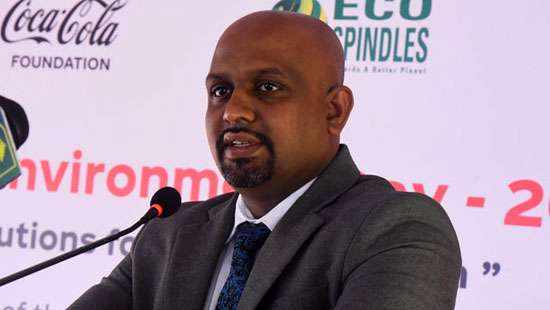
The Central Environment Authority (CEA) has found that no proper management had been conducted for the projects carried out by certain parties to control the improper disposal of plastic and polythene waste during the past six months, CEA Chairman Supun S. Pathirage said.
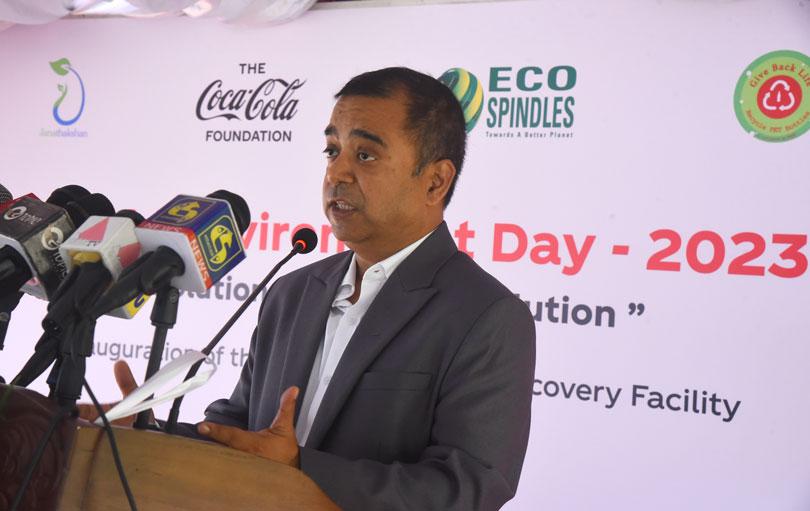
While addressing the opening event of a plastic recycling centre in Mulleriyawa, he said certain planned plastic and polythene waste projects that had been conducted by NGOs, INGOs and industries had failed due to mismanagement.
Addressing the event, the CEA chairman said Sri Lanka is in the 68th position in the world for improper disposal of plastics.
"The 2021–2030 road map of the Ministry of Environment highlights that the daily generation of plastic waste is around nearly 950 metric tons per day. But the CEA used to collect 300 metric tons per day, and the recycling percentage is 10 to 15 percent," he said.
However, more than 50 percent of plastic waste cannot be collected due to the informal disposal, he said.
The world has identified the triple planetary crises, which are climate change, air pollution and biodiversity loss, which are interconnected and also connected to plastic pollution. There are six floating islands on the Pacific and Indian Oceans that consist of plastic bottles.
"The CEA is currently engaged in introducing legal restrictions for the informal discharge of plastic waste. In line with the 'World Environment Day' celebrations, the CEA has signed an agreement with Sri Lanka Customs to import plastic raw materials. The importers need to obtain a ‘no objection’ approval from the CEA for importing the raw materials," the chairman said.
The agreement was signed because many parties engage in polythene and plastic production at household levels without taking the proper license. This is a threat to the environment as well as to the people who manufacture the products.
With the amendment of the National Environment Act in another few weeks, the plastic and polythene producers will gain an extended producer responsibility, as the producer is responsible from the production until its disposal.
Therefore, the CEA has decided to establish a National Plastic Center (NPC) within the Authority by 2024. After establishing the NPC, all projects for the raw materials, disposal or production will come under the purview of this center.
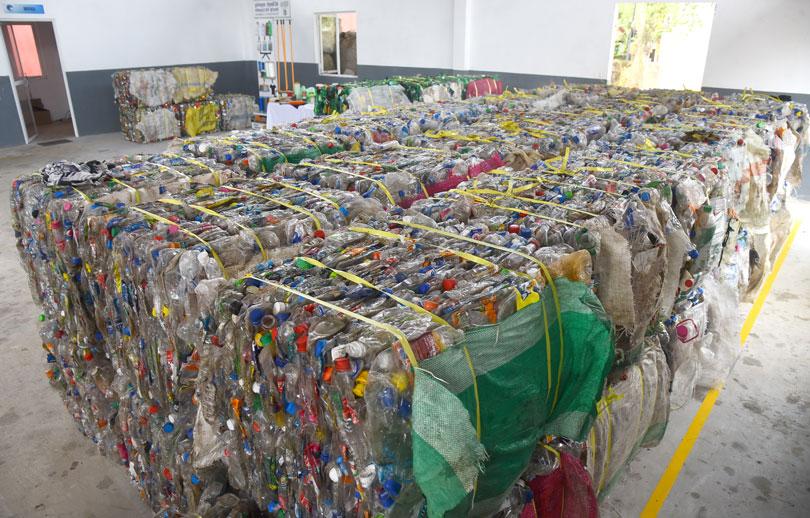
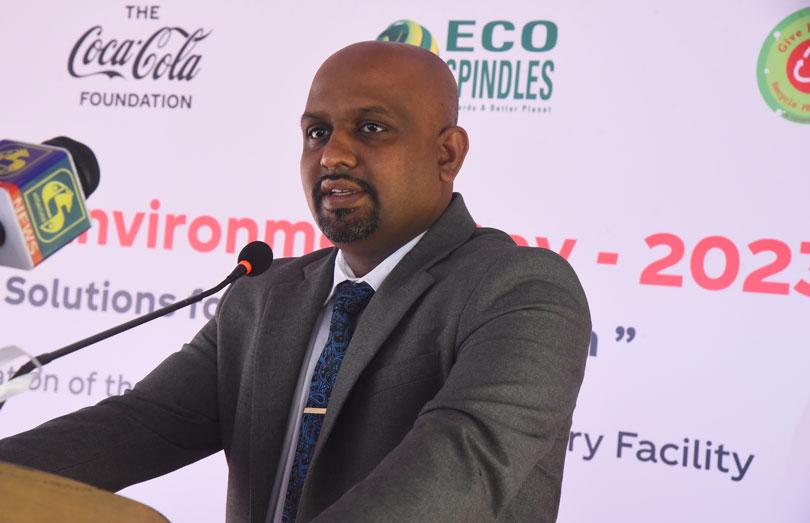
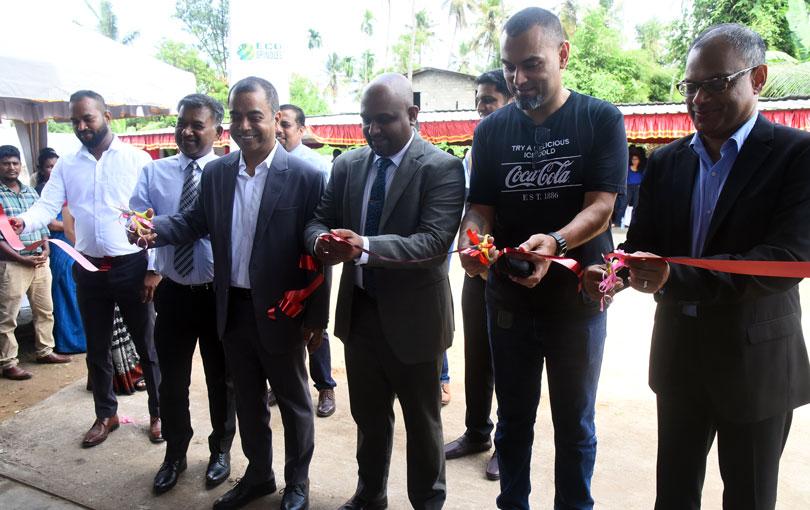
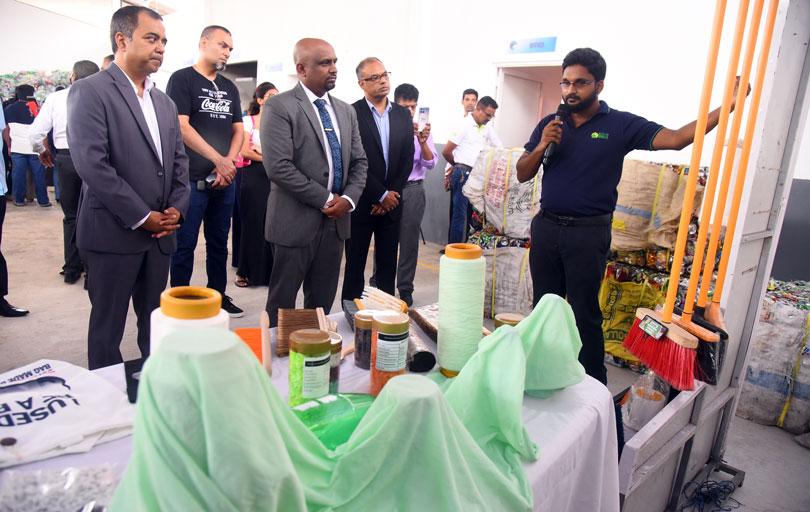
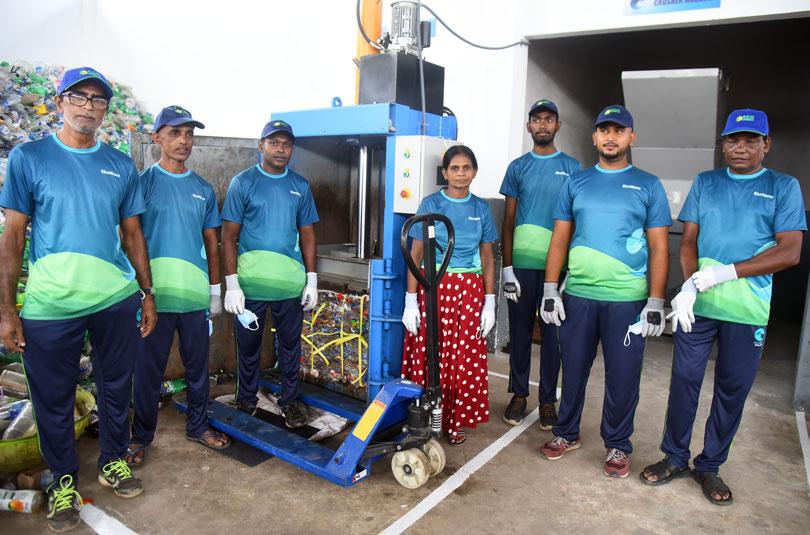
However, to beat the improper disposal of plastic and polythene waste and as a solutions to plastic pollution, the Coca-Cola Foundation joined forces with Eco-Spindles and Janathakshan (GTE) to officially launch 'Eko Wave," an advanced Material Recovery Facility (MRF) in Colombo, in the presence of the CEA Chairman.
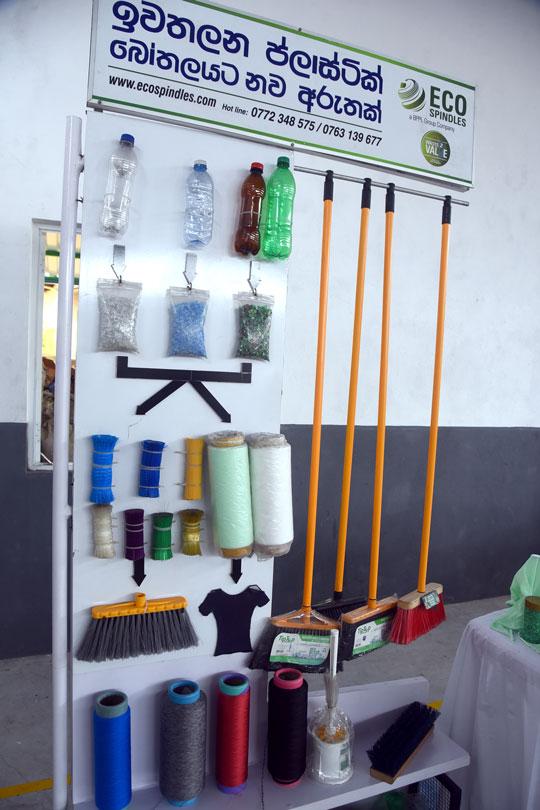
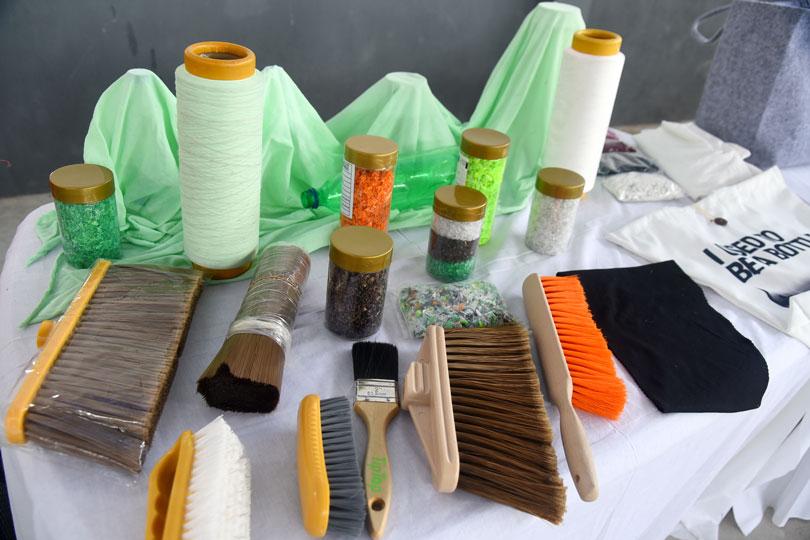
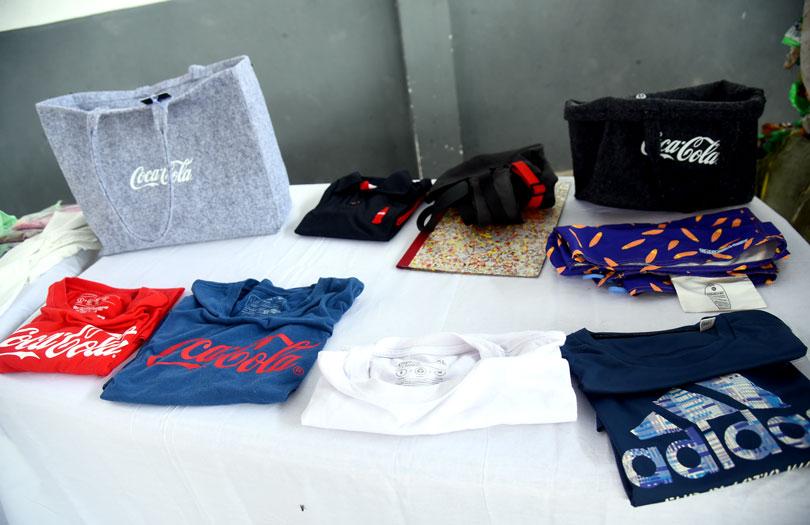
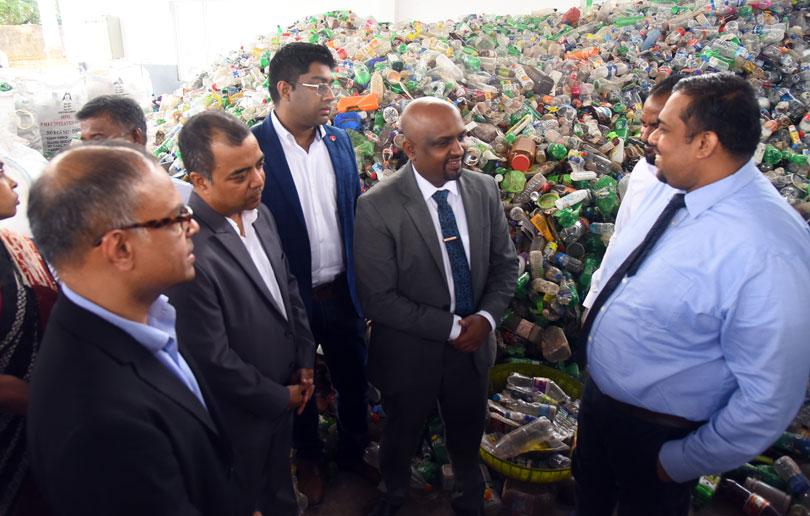
Sri Lanka’s largest plastic recycler, Eco Spindles began recycling PET plastic, which is then used to knit fabric or as fiber for brushes and brooms. Eco Spindles’ recycling facility converts PET plastic bottles directly into yarn. This process is known to reduce energy usage, greenhouse gas emissions and water consumption during the conversion.
The project was implemented by Janathakshan (GTE) Ltd., a respected non-profit organization recognized for its expertise in promoting circular economy practices and advancing low-carbon development in the country. Eko Wave presents itself as a comprehensive answer to plastic waste management challenges in Colombo, with the remarkable ability to collect and process more than 20,000 kilograms of plastic waste every month. (Chaturanga Pradeep Samarawickrama)
Pix by Kithsiri de Mel