 CHATURANGA PRADEEP SAMARAWICKRAMA
 Reply To:
Name - Reply Comment
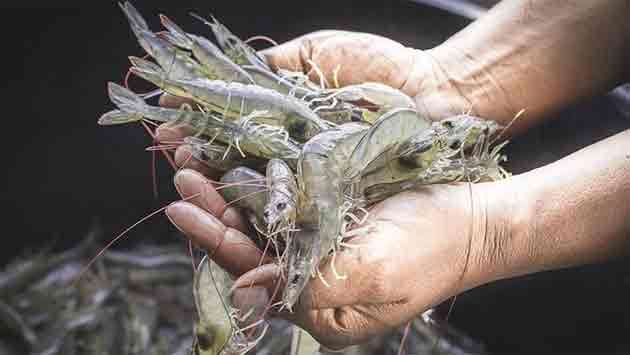
Colombo,June 16 (Daily Mirror)- The Fisheries and Aquatic Resources Ministry introduced a comprehensive new Standard Operating Procedure (SOP) for shrimp re-export operations, aiming to address longstanding challenges and strengthen Sri Lanka’s position in the global shrimp market.
The move is seen as a major step forward in safeguarding the country’s shrimp export sector, which brings in significant foreign exchange revenue.
Despite the rising international demand for Sri Lankan shrimp, recent trends show a drop in domestic production and increased local consumption particularly due to the growth of the tourism industry. In response, the government previously allowed the importation of foreign shrimp for value addition and re-export to ensure continuity in export volumes.
However, this approach raised concerns among local shrimp farmers. Fears were voiced over possible disruption to local market demand, risks of disease transmission, and reputational issues related to branding imported shrimp as Sri Lankan produce. Exporters also highlighted the risk of facing trade restrictions in certain markets due to non-compliance with health and origin labeling requirements.
To address these concerns, the Ministry appointed a special committee comprising representatives from several key institutions including the Department of Fisheries and Aquatic Resources, the National Aquatic Resources Research and Development Agency (NARA), the Aquaculture Development Authority, the Department of Animal Production and Health, the Export Development Board, the Board of Investment, and the Department of Commerce. Stakeholders from the aquaculture industry and the Aquaculture Alliance were also consulted.
Key Provisions of the New SOP:
Restricted Imports: Only frozen, headless shrimp may be imported for re-export purposes.
Origin-Based Controls: Imports from countries facing trade restrictions or known health risks will be banned, as per guidance from the Department of Commerce.
Production-Based Evaluation: Import permissions will be granted based on a forward-looking assessment of local shrimp production over a three-month period.
Mandatory Health Certifications: All imported shrimp must be accompanied by health and antibiotic-free certification from the country of origin.
Value Addition Requirement: A minimum of 25% of the imported stock must undergo value addition in Sri Lanka, promoting local employment and skills development.
Clear Labeling Rules: Re-exported shrimp must be clearly marked as “Other Origin Shrimp, Processed in Sri Lanka”, ensuring full transparency.
Prohibition of Mixing: Mixing foreign shrimp with local shrimp during processing is strictly prohibited.
Controlled Processing Locations: Processing and storage facilities must not be located near local shrimp farms to prevent cross-contamination.
Environmental Compliance: Waste disposal and wastewater treatment must adhere to Central Environmental Authority (CEA) regulations.
Export Quota Enforcement: At least 75% of the imported shrimp stock must be re-exported. Only companies meeting this threshold will be eligible for future import permits.
Officials expressed confidence that the new SOP would bring much-needed clarity, transparency, and security to all stakeholders in the shrimp export industry, promoting sustainable development while maintaining high standards for health, environment, and trade compliance.
The Ministry emphasized that these regulations are designed to strike a balance between protecting the interests of local shrimp farmers and enabling the industry to remain competitive in the global seafood market.