Reply To:
Name - Reply Comment
By Indika Sri Aravinda
Colombo, May 22 (Daily Mirror) - While both men and women play a role in infertility among young couples in Sri Lanka, men are seen as contributing more significantly to the problem.
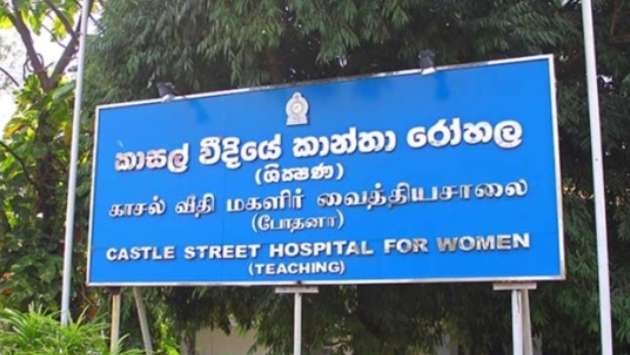
Doctors at Castle Street Women’s Hospital note that a growing number of male patients show fertility-related complications, particularly issues with sperm count, quality, and reproductive function.
Dr. Ajith Kumar Danthanarayana, Director of Castle Street Women’s Hospital, explains that laboratory tests carried out on newly married couples reveal a concerning trend: approximately one-third of the men show signs of male infertility.
These include low sperm count, absence of sperm in seminal fluid, and inadequate motility or strength of sperm to successfully fertilize an egg.
Women are not exempt from fertility concerns. According to Dr. Danthanarayana, about one-third of female patients face complications such as uterine disorders, irregular menstrual cycles, and blocked fallopian tubes—factors that can hinder conception. In another one-third of couples, underlying medical conditions affecting either or both partners contribute to difficulties in conceiving.
As a result, Castle Street Women’s Hospital now receives close to 200 young couples each month who register for assistance due to childlessness. Hospital records indicate that this number has steadily increased, prompting further concern among healthcare professionals.
Dr. Danthanarayana also points to several lifestyle and environmental factors that could be aggravating male infertility. These include prolonged motorbike use which may impact testicular function exposure to high temperatures, consumption of chemically processed foods, and extended periods working in industrial environments where harmful chemicals are present.
In response to these challenges, Castle Street Women’s Hospital has decided to establish a sperm bank, aimed at offering advanced fertility solutions and preserving reproductive material for future use.
Dr. Danthanarayana says the move is part of a broader effort to address infertility in a systematic and accessible manner.