 LAKMAL SOORIYAGODA
Reply To:
Name - Reply Comment
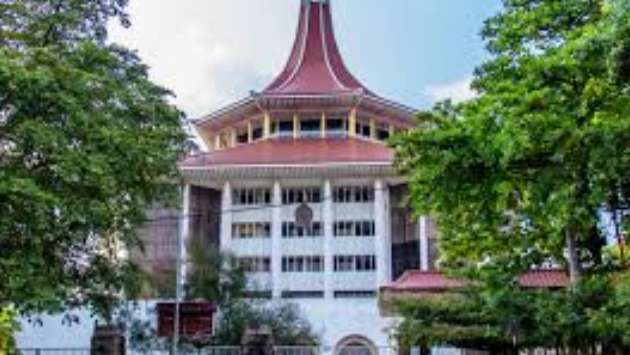
Colombo, Sept. 12 (Daily Mirror) - The Supreme Court, in its judgement regarding the time period prescribed in the Constitution for those invoking jurisdiction for violations of Fundamental Rights by executive or administrative action, held that the law supports individuals who are proactive in protecting their rights and interests, and will not assist those who are negligent or fail to act within reasonable timeframes.
Applying the legal maxim “vigilantibus non dormientibus jura subveniunt” which means “the law assists those who are vigilant, not those who sleep on their rights” to this Fundamental Rights petition, the Supreme Court decided to dismiss the application, citing the petitioner’s failure to satisfy the threshold requirement under Article 126(2) of the Constitution, which mandates that an application must be instituted within one month of the alleged infringement of a Fundamental Right.
Justice Shiran Gooneratne delivered the ruling, with Justice A.H.M.D. Nawaz and Justice Achala Wengappuli agreeing.
“The Petitioner, having been aware of the alleged infringement, chose not to invoke the jurisdiction of this Court within the prescribed time. No material has been placed before this Court to suggest that the Petitioner was prevented from doing so due to circumstances beyond his control, and the delay is unexplained,” Justice Gooneratne observed.
The petitioner, Kulasuriya, a former officer of the Sri Lanka Air Force, invoked the jurisdiction of the Supreme Court under Article 126 of the Constitution, alleging violations of his Fundamental Rights arising from acts of physical assault, unlawful detention, procedural injustice, and harassment by superior officers.
He claimed that the alleged infringement of his Fundamental Rights by a Wing Commander attached to the Procurement Division of the Sri Lanka Air Force occurred on or about September 10, 2015. However, the Fundamental Rights application was filed before the Supreme Court only on October 30, 2015, which was beyond the one-month period prescribed under Article 126(2) of the Constitution.
The Supreme Court further observed that there was no material before it to indicate that any inquiry was pending before the Human Rights Commission of Sri Lanka (HRCSL).
Counsel Nuwan Bopage for the petitioner. Saliya Pieris, PC with Varuna de Seram instructed by Manjula Balasuriya appeared for the third respondent. State Counsel Sajith Bandara appeared for the Attorney General.