 CHATURANGA PRADEEP SAMARAWICKRAMA
Reply To:
Name - Reply Comment
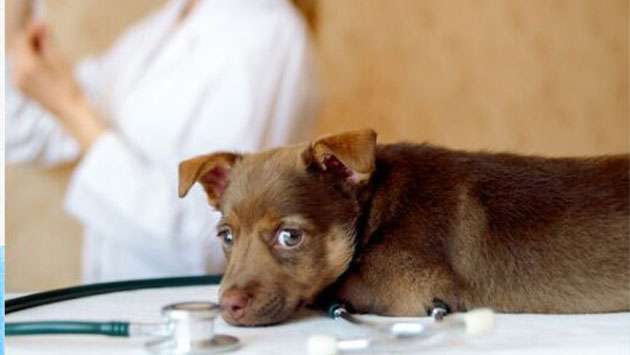
Colombo, March 7 (Daily Mirror) - The decision by the Health Ministry to suspend the sterilization programmes will lead to an increase in the number of stray dogs and may result in the killing of these dogs in the future, Association of Veterinarians for Humane Management of Animal Population said.
Association's advisor Dr. Chamith Nanayakkara told the Daily Mirror that the programme was suspended following requirement of a senior official of the Health Ministry.
"Making a huge effort, the official had misled the Health Minister into not handing over the rabies eradication programme. Therefore, this could lead to the killing of dogs in the country again in the future," Dr. Nanayakkara said.
He highlighted that the dog population in the country is estimated at 2.6 million, with 1.2 million male dogs and 1.4 million female dogs. Among them, 900,000 female dogs have undergone sterilization, while 500,000 female dogs remain on the streets and need to be sterilized.
He stated that continuing the sterilization programme would help control the stray dog population and contribute to eradicating rabies in the country.
“To reduce rabies, more than 70% of dogs must be vaccinated, as they are the animals most closely associated with humans. The dog sterilization programme was introduced in 2008 to control the dog population. However, before 2006, 100,000 dogs were culled in an attempt to curb the spread of rabies. To effectively manage the population, dogs must either be sterilized or culled. Although the sterilization programme was launched by the Ministry of Health in 2008, it was not implemented properly. The programme was conducted according to the whims of the Health Ministry officials without consulting veterinary doctors, leading to its failure,” Dr. Nanayakkara said.
“In 2017, the dog sterilization programme was handed over to the Department of Animal Production and Health. However, after six months, control was again taken over by the Ministry of Health. There are more than 400 veterinary doctors attached to the Department of Animal Production and Health. The Health Ministry and the Department of Animal Production and Health should work together on both types of rabies: human rabies and animal rabies. However, keeping the animal rabies control programme under the Health Ministry has caused issues,” he said.
He claimed that the measures taken by the Health Ministry so far have been ineffective in eradicating rabies.
Therefore, Dr. Nanayakkara urged the government to hand over the animal rabies control programme to the Department of Animal Production and Health while allowing the Health Ministry to continue managing the human rabies control programme.