 CHATURANGA PRADEEP SAMARAWICKRAMA
 Reply To:
Name - Reply Comment
Colombo, August 21 (Daily Mirror) - The Association of Veterinarians for Humane Management of Animals has raised concerns over renewed discussions on establishing dog orphanages instead of strengthening sterilisation programmes.
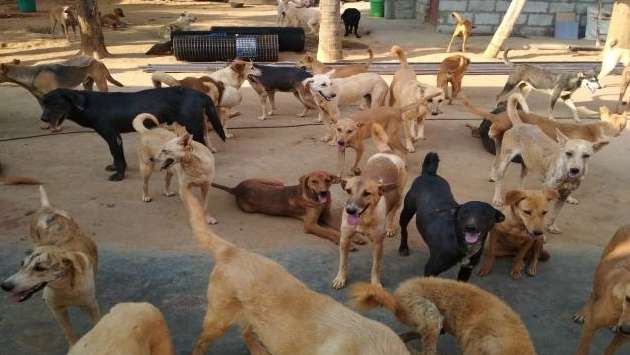
Advisor to the Association, Dr. Chamith Nanayakkara, said dog orphanages are “a hell on earth for dogs,” claiming that most are operated for profit rather than animal welfare.
He said that only true animal lovers can run such facilities without personal gain. The government’s decision to close previously established dog orphanages, he said, was a tragedy that resulted in many animals falling sick and dying, while surrounding communities protested over nuisance issues.
Dr. Nanayakkara claimed that Sri Lanka’s dog population is very high and that orphanages quickly become dumping grounds, as people rush to leave animals there. Running such centres is highly costly, requiring continuous funding for food, salaries, utilities, and medical needs. Overcrowding, he warned, leads to the spread of diseases such as parvo, distemper and leprosy, while territorial fights among dogs often result in deaths.
“It is difficult to find employees who genuinely love animals, and as a result, animals are often harassed by the staff,” he added.
Large numbers of animals also create excessive noise and foul odours, leading to complaints from nearby residents. Even when orphanages are built in isolated areas, people eventually settle nearby and continue to raise concerns, he said.
Dr. Nanayakkara also said that the only effective solution is a nationwide sterilisation programme.
“The country should aim to sterilise 500,000 dogs within two years. The money spent on building orphanages could instead be used to spay dogs,” he said.
He estimated that constructing a single dog orphanage would cost at least Rs. 5 million, while establishing orphanages under all 342 provincial government institutions would amount to Rs. 1,710 million. At a cost of Rs. 3,000 per sterilisation, the same funds could neuter around 570,000 dogs.
“The problem can be solved very easily if funds are directed towards sterilisation instead of orphanages. The government should adopt internationally recognised practices rather than pursuing inefficient measures like animal censuses and elephant drives,” Dr. Nanayakkara added.