 SHABIYA ALI AHLAM
 Reply To:
Name - Reply Comment
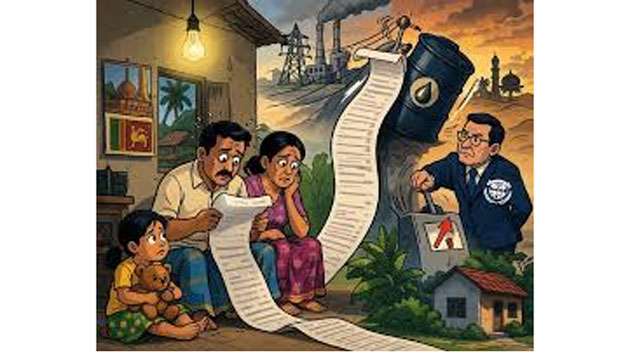
Colombo, April 10 (Daily Mirror) - Electricity bills are set to remain in fresh focus as Sri Lanka pushes ahead with IMF-backed reforms, with rising global energy costs forcing further tariff pressure even as authorities try to protect struggling households.
The challenge has been made harder by the ongoing conflict in the Middle East, which, according to the IMF, could have a significant impact on Sri Lanka’s economy, particularly through higher fuel and energy costs that feed directly into electricity pricing.
“Ensuring that electricity prices reflect the true cost of supply is essential for preserving fiscal sustainability,” IMF Mission Chief for Sri Lanka Evan Papageorgiou said while speaking at an end-of-mission press conference in Colombo yesterday.
He noted that keeping tariffs in line with costs helps prevent losses at state-owned institutions such as the Ceylon Electricity Board (CEB).
Sri Lanka raised electricity tariffs by about 11 percent on March 31, and further increases are being considered as global energy prices remain high. The IMF said pricing electricity correctly reduces the need for the government to step in later to cover losses.
At the same time, Papageorgiou stressed the need to protect low-income households. He said discussions with authorities have focused on providing targeted and temporary support, especially for those who use less electricity.
To ease the impact, the government has introduced a Rs. 100 billion relief package, which includes support for low-income families, small farmers and the fisheries sector, along with additional assistance through the Aswesuma programme. Lower electricity users are expected to face smaller increases, while heavier users will bear a larger share of the cost.
The IMF also noted that the scale of the global shock will influence Sri Lanka’s economic outlook, with growth projections likely to be reviewed as higher energy costs affect trade, remittances and tourism.
Electricity pricing is closely tied to broader economic reforms, particularly efforts to reduce losses at state-owned enterprises and ease pressure on public finances. The IMF said keeping tariffs aligned with costs is important to avoid future financial strain on the government.
IMF staff and Sri Lankan authorities have already reached a staff-level agreement on the fifth and sixth reviews under the four-year Extended Fund Facility (EFF) programme, which provides access to about US$3 billion in financing.
The IMF said the process of taking the programme to its Executive Board typically takes between two weeks and a couple of months, depending on the completion of required steps.
Electricity prices are likely to remain in focus in the coming months, as Sri Lanka works to balance economic reforms with the rising cost of living.