Reply To:
Name - Reply Comment

By Dr. Kenneth De Zilwa
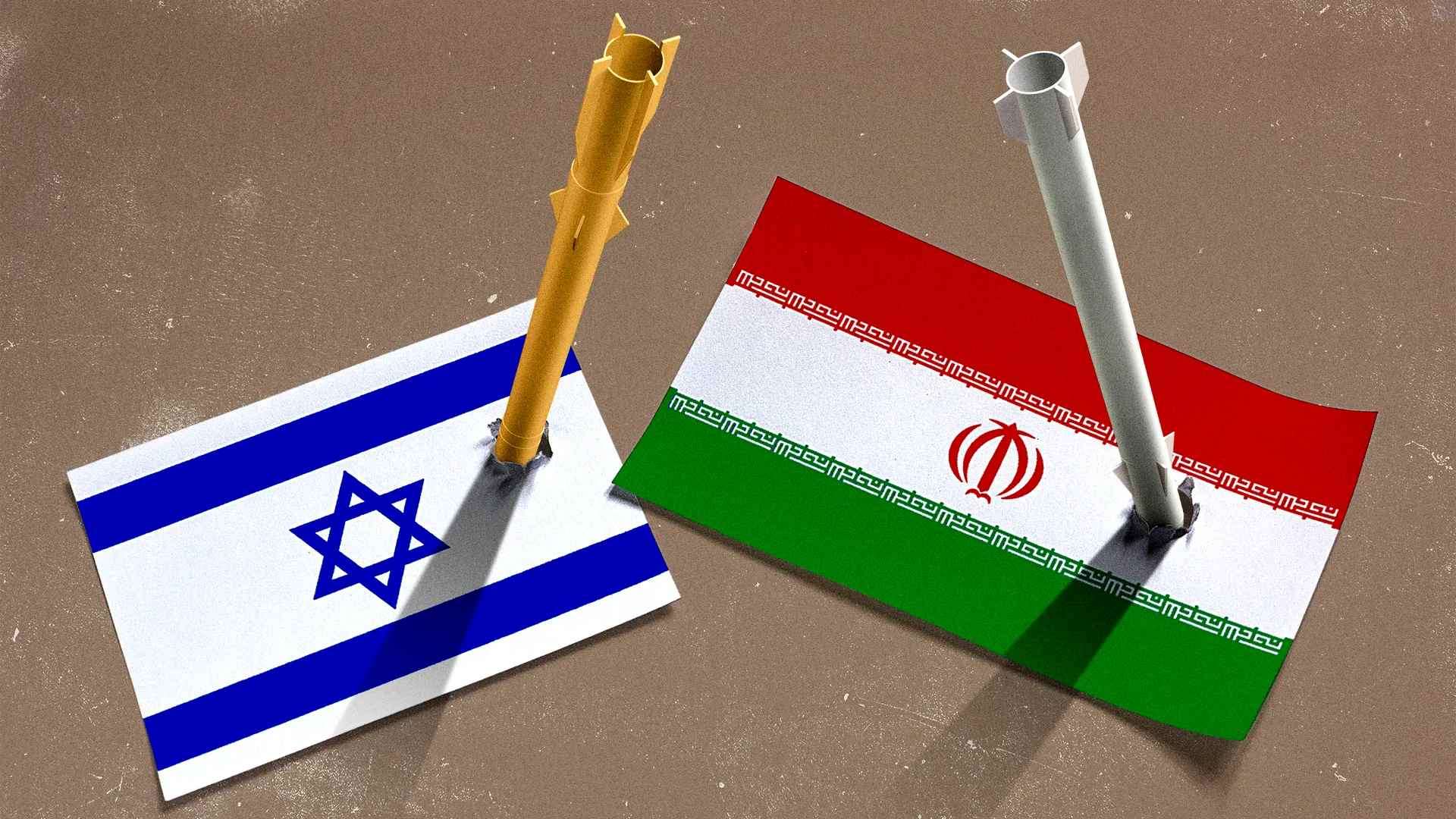
As geopolitical tensions rise in the Middle East, Sri Lanka finds itself in a challenging economic position, reflected in its national balance sheet. The country, already facing the aftermath of a financial crisis, encounters compounded issues due to IMF-mandated austerity measures and external pressures. Key sectors are under strain, threatening to impact the nation’s financial stability and recovery.
Key Revenue Vulnerabilities
a) Exports
The recent escalation between Israel and Iran has created uncertainties in global markets, leaving Sri Lanka's economy particularly susceptible. The national balance sheet reveals a significant reliance on exports, with the Middle East accounting for 25% of Sri Lanka’s tea exports. A 5% drop in orders could cost the country approximately $75 million annually. This decrease would negatively affect foreign exchange reserves, widening the trade deficit and impacting the overall balance sheet by increasing liabilities relative to assets.
b) Private Remittances
Remittances are vital for supporting Sri Lanka's economy. With 1.5 million Sri Lankans working in the Middle East, contributing around 60% of total remittances, approximately $3.2 billion annually, any decline in this cash flow poses a risk. Should tensions persist, it could lead to job losses or salary cuts in the GCC, a 10% drop in private remittances could reduce foreign exchange reserves by $320 million. This reduction would further weaken the balance sheet, increasing external liabilities and potentially leading to currency/rupee depreciation as external assets diminish.
Rising Costs and Inflationary Pressures
Rising costs associated with imports and energy add to the economic challenges. War-risk insurance premiums have surged significantly, and potential disruptions in the Strait of Hormuz could double freight rates and spike crude oil prices (Freight prices as per the Baltic Dry Freight Index have increased by 10% and crude by 7.50% since yesterday). These increases inflate the national balance sheet’s liabilities, pushing consumer prices higher and complicating efforts to manage inflation targets. A focus on maintaining these inflation targets may lead to prioritising short-term goals over long-term economic stability, creating challenges for sustainable growth.
IMF Preconditions and Economic Fallout
The IMF's preconditions for free-floating the Sri Lankan rupee were intended to stabilise the economy, but resulted in a depreciation of approximately 80%. To combat inflation stemming from the rupee depreciation, the Central Bank had raised interest rates, affecting borrowing costs for businesses, particularly small and medium enterprises (SMEs). This decline of the rupee has directly impacted on the national balance sheet by increasing the cost of imports and external liabilities and has driven inflation to elevated levels. However, with less aggregate demand due to balance sheet contractions, inflation has currently tapered down. The potential external shock could once again reignite inflation, and place pressure on both households and businesses, resulting in a deterioration of the fragile balance sheets, as purchasing power diminishes and liabilities increase.
Sri Lanka’s strong reliance on "inflation targeting", where rising inflation caused by external shocks is countered by raising interest rates, may have unintended consequences. Increasing interest rates to control inflation can constrain the already fragile investment capacity and threaten the viability of many MSMEs and corporate balance sheets. This, in turn, could worsen the national balance sheet by increasing liabilities and reducing asset values. Such monetary tightening, especially in the context of external shocks like exchange rate depreciation and rising global prices, risks deepening recessionary pressures and undermining economic recovery, as higher interest costs make debt servicing more expensive, higher rates may restrict fundraising opportunities too, as it would lead to negative net present values (NPVs) for various investments, further hindering Sri Lanka’s balance sheet recovery and anticipated economic growth trajectory.
The Need for Urgent Action
Given the limitations in oil storage capacity currently and the impracticality of rapidly diversifying our exports and remittances, the government could explore alternative strategies to stabilise the national balance sheet. Contingency plans for funding lines could be valuable, particularly from international partners, including China i.e. BRICS nations, which may offer financial assistance and structural investment. Engaging with these global economic actors and partners could help buffer against potential external shocks and support a more stable recovery. Without practical actions, the financial health of Sri Lanka's economy may remain at risk from ongoing uncertainties.