 DARSHANA SANJEEWA BALASURIYA
 Reply To:
Name - Reply Comment
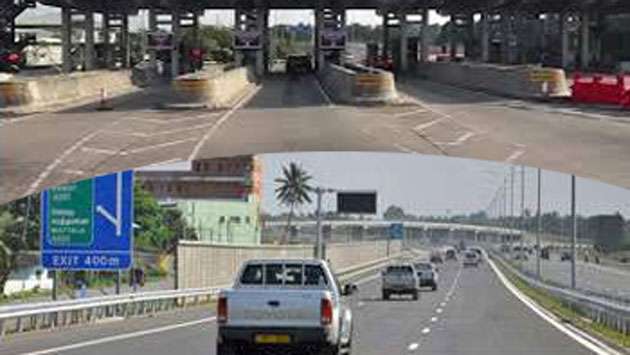
- Outdated systems disrupt toll collection efficiency
- ETC and MLFF systems remain on paper as vehicle queues grow at manual counters
- Over 150 toll workers out since 2023, many fired for theft
Colombo, August 25 (Daily Mirror) - Congestion at Sri Lanka’s expressway toll gates has worsened, especially during peak hours, with motorists facing long waits as multiple booths remain closed due to staff shortages and prolonged delays in introducing automated tolling systems, the Daily Mirror learns.
Sri Lanka currently operates several expressways, with around 271 to 312 kilometres of expressway network across the country, primarily serving the southern and central regions.
Although multiple counters are available at many expressway entry points, such as Kottawa and Kerawalapitiya on the Southern Expressway, several of them remain non-functional, leading to long queues and frustration among motorists, especially during peak hours.
During the 2025 Sinhala and Tamil New Year period (April 10–19), approximately 1.3 million vehicles travelled on these expressways over 10 days, generating revenue of around Rs. 462 million. In addition, during a three-day peak window (April 11–13), about 387,000 vehicles were recorded, yielding Rs. 134 million in tolls.
Expressway officials told the Daily Mirror that many toll booths remain non-operational due to a continuing shortage of staff.
Currently, there are around 650 tellers employed and despite hiring an additional 60 workers on a contract basis, the staffing gap remains.
The officials said that plans are underway to recruit another 65 contract workers to alleviate the issue.
However, recruitment has been hampered by structural constraints in the staffing framework and ongoing plans to automate toll collection.
Since 2023, nearly 150 toll operators have either left the country or been removed from service, with 5 to 6 employees reportedly exiting each month.
The official said that several workers have been interdicted due to theft-related incidents at toll booths. In the long term, the government has been considering transitioning to an automated tolling system to reduce reliance on manual labour and ease congestion.
Discussions on introducing an Electronic Toll Collection (ETC) system and the more advanced Multi-Lane Free Flow (MLFF) tolling have been ongoing for several years.
The MLFF system, which allows toll collection across multiple lanes without stopping vehicles, was first proposed in 2017 and saw funds allocated for its implementation.
However, the project stalled during the 2020 economic crisis.
A tender was called later, but only one valid bid was received. It was reported that authorities are yet to decide whether to proceed with that bidder.
Similarly, measures to expand the ETC system have seen little progress.
Though ETCs were introduced on the Colombo–Katunayake Expressway in 2013, officials said these systems are now outdated and no longer functioning effectively.
It was learnt that plans to implement ETCs on other expressways have been delayed due to procurement issues and the absence of a clear policy direction.
Cabinet-level discussions on both tolling systems are still ongoing.
An expressway official said that an average manual toll collection (MTC) transaction takes about 12 to 15 seconds, while ETC could reduce that to around 6 seconds, allowing more vehicles to pass through faster. While MTC booths can process roughly 350 vehicles per hour, ETC systems could manage up to 1,200 vehicles an hour, drastically cutting down waiting times and reducing fuel consumption and emissions.
Despite the clear advantages of automation, the delay in implementation has left motorists facing the daily inconvenience of long wait times and inefficient service at toll booths.