Reply To:
Name - Reply Comment
Sri Lanka’s 2021 Nationally Determined Contributions (NDCs) set targets for carbon neutrality in electricity by 2050, a 14.5% emissions reduction, and 70% renewable energy by 2030.
In line with COP 29 commitments, UNFPA is supporting these goals by promoting climate-resilient healthcare systems that protect women, girls, and youth through improved maternal care, disaster preparedness, and access to essential services.
With regions like Puttalam and Nuwara Eliya identified as highly vulnerable, UNFPA, in partnership with the Government of Japan and the Ministry of Health, is implementing sustainable solutions to strengthen maternal and newborn health and enhance climate resilience.
Climate-Proofing the Critical Maternal and Neonatal Health Care
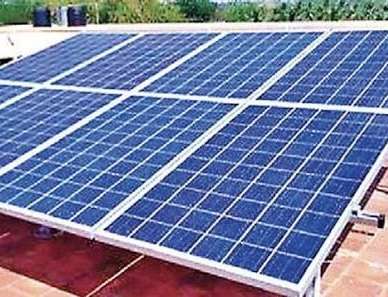
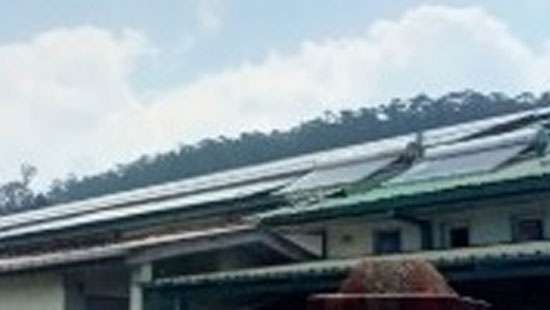
UNFPA Sri Lanka has supported facility improvements at Nuwara Eliya District General Hospital and Base Hospital Puttalam through the installation of solar-powered electric systems. These systems enhance the hospitals’ resilience, ensure uninterrupted maternal and neonatal care, and help reduce preventable deaths. By increasing reliance on renewable energy, lowering operational costs, and providing backup power during disruptions, the hybrid systems contribute to more sustainable and reliable healthcare delivery.
The Nuwara Eliya project was successfully completed in July 2024, generating 40 kW of power. The maternal and neonatal facility is now fully self-sufficient in its electricity needs, ensuring uninterrupted operation of critical services without reliance on additional resources. Similarly, the solar panel installation at BH Puttalam was finalized in July 2024, producing 20 kW of power. This installation is expected to serve as the primary electricity source for the entire hospital.
In addition, a heating system was installed throughout the entire hospital at Nuwara Eliya DGH due to extreme cold weather conditions posing a substantial risk to the well-being of newborns and mothers, necessitating urgent action to maintain a safe and warm environment in the maternity ward. Specifically, the installation of the essential heating system serves as a reliable and sustainable source of warmth for the maternity and neonatal ward of the Nuwara Eliya DGH to ensure ambient temperatures for newborns and mothers and increase their survival. This aims to contribute to the reduction of maternal and neonatal mortality, particularly high in Nuwara Eliya, compared to the national rates.
The installation of solar panels and heating systems at Nuwara Eliya District General Hospital and Base Hospital Puttalam has significantly improved maternal and neonatal health outcomes by ensuring consistent temperatures, hot water access, and overall hygiene resulting in reduced infection, morbidity, and mortality rates. At Nuwara Eliya, only one newborn was admitted for hypothermia in early 2024, a notable decrease following the installation of the heating system and solar panels.
“The involvement of UNFPA, specially in installing the heating system to the maternity ward is admirable as we were able to install the heating system in a short time at a nominal charge. Since there are frequent power interruptions, especially due to the geographical situation and adverse weather, the battery backup is very useful to continue the power for life saving equipment. Installation of solar power has a financial benefit to the hospital,” says Dr. Dilshan Somaweera Manatunga, the Registrar in Medical Administration and Former Deputy Director of DGH Nuwara Eliya 2022-2024.
These systems also promote climate resilience by generating 66,000 kWh of green energy annually, reducing reliance on fossil fuels, and cutting an estimated 86,500 kg of CO₂ emissions each year. Additionally, they deliver financial savings exceeding LKR 10 million monthly at Nuwara Eliya DGH, allowing for reinvestment into service quality, and provide reliable power backup during frequent disruptions, ensuring uninterrupted life-saving care and improved staff efficiency.
UNFPA Sri Lanka and Country Programme 2023-2027
The UNFPA Sri Lanka Country Programme 2023-2027 prioritizes strengthening maternal and neonatal health services through sustainable, climate-resilient interventions. With support from the Government of Japan, the programme has enhanced access to quality prenatal and postnatal care by deploying solar-powered maternity units, heating systems, and improving service delivery infrastructure. It also includes training healthcare providers to manage climate-related health risks and promoting community education. These efforts contribute to better health outcomes while advancing long-term sustainability and health system resilience.