Reply To:
Name - Reply Comment
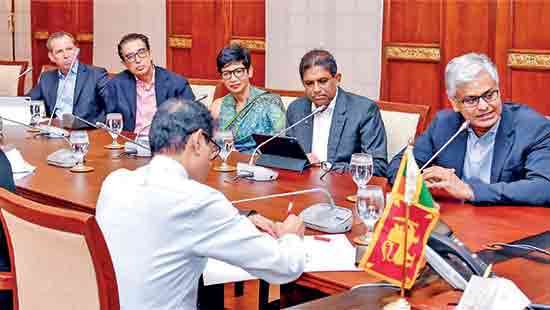
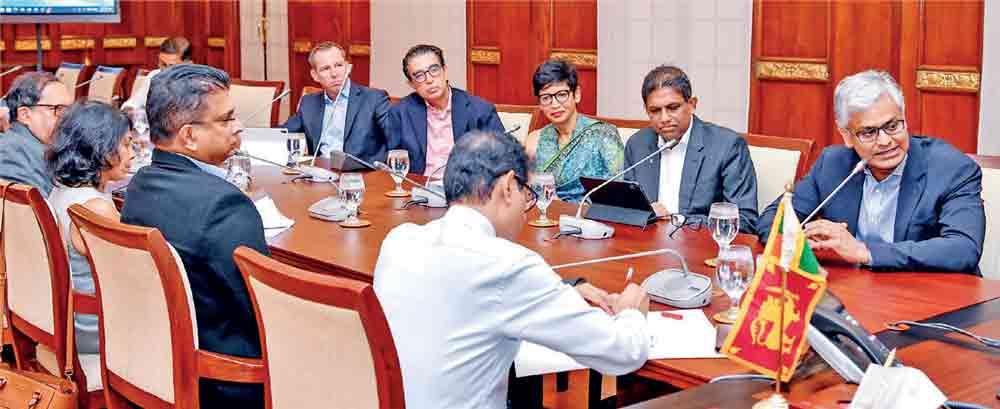
The Ceylon Chamber of Commerce (CCC) yesterday presented its priority proposals for the National Budget 2026 during its first official meeting of the new board with President Anura Kumara Dissanayake.
The key highlight of the proposal was reforms to boost private sector-led growth, investment, and competitiveness.
Led by newly appointed Chairperson Krishan Balendra, the Chamber outlined a wide-ranging agenda aimed at strengthening trade and investment facilitation, including the establishment of a National Single Window, modernisation of the Customs Ordinance, and the creation of a dedicated team to negotiate Free Trade Agreements (FTAs).
The proposals also called for advancing a private-sector-led investment zone, continued facilitation of import and export clearances through the Board of Investment, and structured incentives for both local and foreign large-scale investments.
On tourism and infrastructure, the Chamber recommended launching a global marketing campaign and expediting the expansion of the Bandaranaike International Airport terminal. The Chamber also pressed for accelerating the rollout of a National Digital ID and 5G broadband, while expanding internet access in rural areas to support the digital economy and innovation.
Further proposals focused on sector enablers, including boosting agricultural productivity through mechanisation and fostering an environment conducive to data centre investments. Ease of doing business reforms were also emphasised, with calls to establish a National B-READY Task Force to drive business climate reforms, implement a Public-Private Partnership (PPP) Act, and strengthen the National Agency for PPPs.
Balendra highlighted progress made on the Chamber’s previous recommendations, noting that 17 proposals were integrated into the 2025 National Budget, with 14 already showing partial or advanced implementation.
During the meeting, both the President and Chamber leadership stressed the need for ongoing collaboration between government and business to build investor confidence and position Sri Lanka as a competitive and resilient economy.
While President Dissanayake outlined government priorities, including comprehensive public sector reform, modernising procurement processes, and expanding private sector participation in infrastructure development, he stressed the importance of streamlining processes through pre-approved clearances to facilitate investments.