 SHEAIN FERNANDOPULLE
 Reply To:
Name - Reply Comment
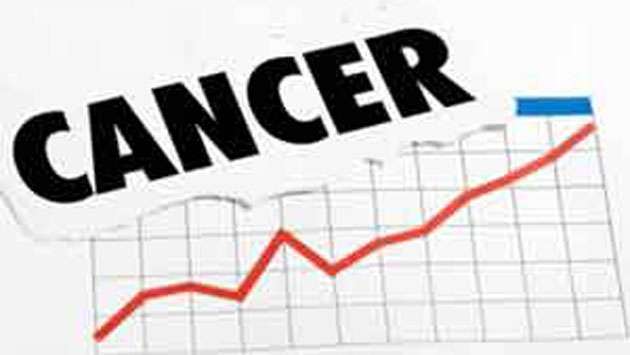
Colombo, August 1 (Daily Mirror) - Cancer incidence in Sri Lanka is rising at an alarming rate due to a combination of aging population, unhealthy lifestyles, environmental pollution, and limited access to treatment in some provinces, said Dr. Nadarajah Jeyakumaran, Consultant Clinical Oncologist at the National Cancer Institute, Maharagama.
In an exclusive interview with the Daily Mirror, Dr. Jeyakumaran stated that the trend mirrors a global pattern, where improved life expectancy has led to a steady increase in non-communicable diseases (NCDs), including cancer.
Dr. Jeyakumaran pointed to a range of man-made causes accelerating the cancer burden.
“What we eat, drink, and inhale is increasingly harmful. Our food is adulterated with pesticides and chemicals. The air is polluted with dust, microplastics and industrial waste, especially in urban areas. Even our water contains unsafe levels of nitrates due to excessive use of fertilizers,” he explained.
He said Sri Lanka’s dietary habits, lack of exercise, and rising obesity especially among adolescents, are also contributing factors. “Children are now more sedentary, playing computer games instead of engaging in physical activity. They go from school to tuition without any time for outdoor play. This lifestyle is directly linked to obesity and cancer.”
Among males, oropharyngeal (mouth and throat) cancer tops the list, driven largely by betel nut chewing, smokeless tobacco, smoking, and alcohol. “Despite regulations, smoking is still on the rise, especially in rural areas and among the working-class population,” Dr. Jeyakumaran said.
For females, breast cancer remains the most common, followed by thyroid cancer. “Thyroid cancer has gone up due to over-diagnosis. A small lump prompts an ultrasound, then a biopsy, and that gets diagnosed, even when the condition may not be aggressive,” he said.
Furthermore, he noted that cervical cancer, once the second most common cancer among women, has declined thanks to better early detection and screening programmes.
However, a more concerning trend is the sharp rise in colorectal cancer, now the third most common cancer among both sexes. “This is a westernized cancer. Our diet is now more fat-heavy, and people are physically inactive. Obesity is a major driver. These habits are creeping into rural communities as well,” he warned.
On the state of treatment facilities, Dr. Jeyakumaran noted mixed progress. “Surgery and chemotherapy are available in most areas, and there are specialist cancer surgeons across the country. But we face issues with drug availability from time to time due to procurement delays,” he said.
The radiotherapy situation is more uneven. “Out of nine provinces, only five—Western, Northern, Eastern, Southern and North Central have radiotherapy machines. Uva and Sabaragamuwa are still without. Even where machines are available, they sometimes breakdown, causing long waiting lists.”
He said that the Health Ministry is in the process of acquiring new radiotherapy machines for Maharagama and Galle, which may ease some of the pressure.
“Cancer is not always a death sentence. If people avoid risk factors, maintain healthy habits, and come for checkups early, we can often cure them. But if they delay, we can only offer palliative care. Prevention and early detection are key.” he added.