Reply To:
Name - Reply Comment
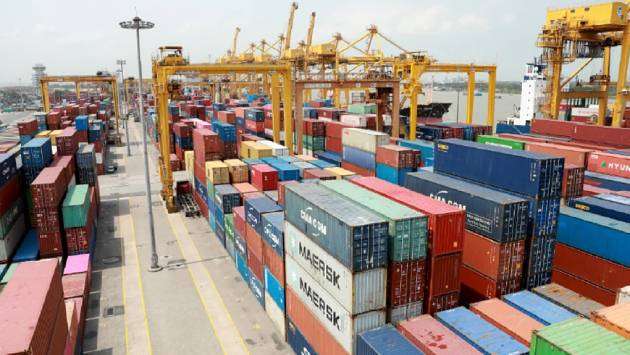
Colombo, July 25 (Daily Mirror) - Sri Lanka's import container clearance process is facing growing criticism, with industry stakeholders urging authorities to implement long-delayed customs reforms to improve efficiency and reduce costs.
Data on imported laden containers handled at the Port of Colombo show that volumes increased from 438,234 TEUs in 2023 to 641,052 TEUs in 2025, marking an increase of 202,818 TEUs or 46.3% over two years.
Despite the sharp growth in import volumes, more than 65% of imported laden containers continue to be selected for physical inspection by Sri Lanka Customs. Industry representatives claim that 88% of the containers inspected were found to be fully compliant with customs regulations, indicating that the current risk management and profiling system requires significant improvement.
They said that many advanced customs administrations inspect only about 20% of import containers, relying instead on intelligence, risk analysis and post-clearance audits to identify high-risk shipments.
According to stakeholders, the current inspection regime has resulted in longer container dwell times, congestion at inspection yards, delays in the delivery of goods, and higher demurrage, detention and transport costs. They argue that these additional expenses are ultimately passed on to consumers while also reducing Sri Lanka's trade competitiveness.
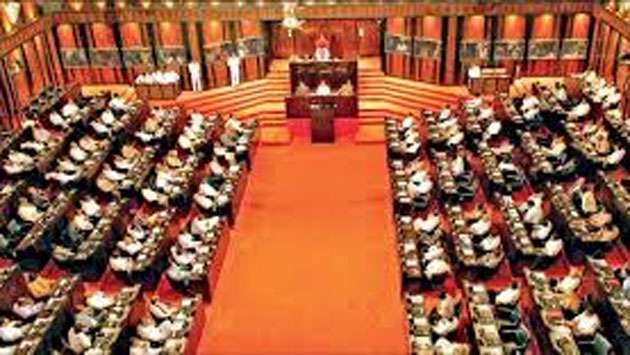
The concerns have already been presented to the Parliamentary Select Committee on Containers, with industry representatives calling for decisive action by the Government, the Ministry of Finance, the Ministry of Ports and Civil Aviation, the Director General of Customs, or through a Cabinet-led national reform programme.
They stressed that if Sri Lanka aims to become an international logistics hub, customs procedures must be aligned with international best practices. They argued that reducing unnecessary physical inspections would allow Customs to focus resources on genuinely high-risk cargo, improve the detection of illegal activities, facilitate legitimate trade, lower business costs and ultimately benefit consumers through lower prices.