 SHABIYA ALI AHLAM
 Reply To:
Name - Reply Comment
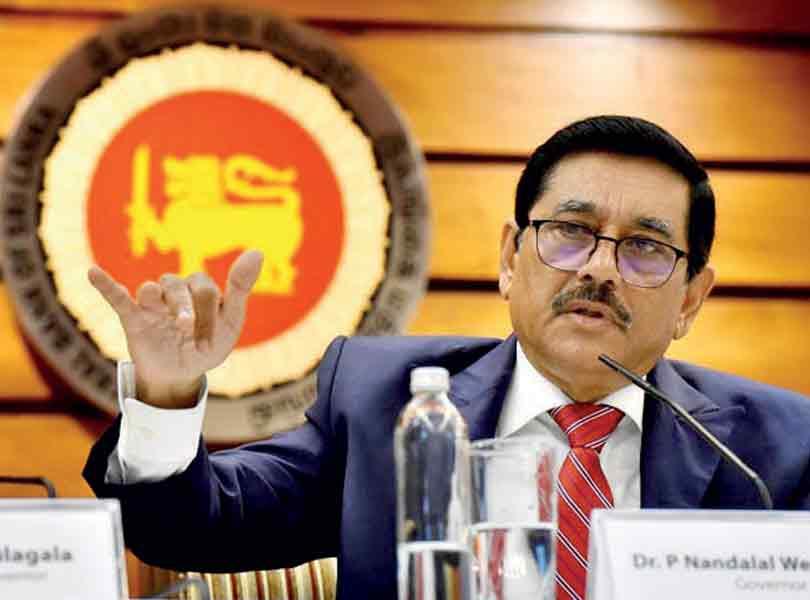 CBSL Governor Dr. Nandalal Weerasinghe.
Pic by Kithsiri de Mel
The Central Bank yesterday delivered its first monetary tightening in three years, raising rates by a full percentage point as oil shocks linked to the Iran conflict intensified pressure on inflation, the rupee and the country’s still-fragile external sector.
The monetary watchdog raised the Overnight Policy Rate (OPR) to 8.75 percent from 7.75 percent, marking a sharp reversal from its earlier wait-and-watch approach as policymakers moved to contain mounting fuel-driven inflation, rapid credit expansion and growing risks to macroeconomic stability.
The move places Sri Lanka among a growing number of emerging market economies tightening monetary policy aggressively as surging global oil prices and a stronger US dollar pressure currencies and external balances.
Bank Indonesia also last week unexpectedly raised its benchmark rate by 50 basis points as regional central banks increasingly move to shield domestic economies from renewed global energy market volatility.
The latest decision indicates a shift in the Central Bank’s policy priority from supporting post-crisis growth momentum towards preserving price stability and safeguarding the external sector as geopolitical tensions continue disrupting global commodity markets.
“The uncertainties arising from the heightened tensions in the Middle East have prompted global commodity prices, particularly petroleum, to remain high, adversely affecting the global as well as the domestic economy,” the Central Bank said in its latest monetary policy review.
The regulator had maintained during the first two monetary policy meetings of 2026 that inflation pressures remained manageable and that the economy had sufficient space to absorb higher energy costs without tightening monetary policy.
However, the Monetary Policy Board highlighted concern that inflation risks were no longer confined to temporary supply-side shocks, warning that continued private sector credit expansion, stronger import demand and rising inflation expectations were beginning to pose broader risks to medium-term price stability.
“In view of the elevated inflation forecast, the potential second-round effects on headline inflation from energy price adjustments, continued expansion in private sector credit fueling import demand, pressures on the external sector, as well as the risk of de-anchoring inflation expectations, the Board was of the view that a tightening of the monetary policy stance is appropriate at this juncture,” the statement added.
Sri Lanka is now facing a significantly more complex inflation environment compared to the beginning of the year.
In January, the Central Bank projected inflation would only gradually move towards its 5 percent target during the second half of 2026 while describing inflation expectations as “well anchored”.
By March, the Monetary Policy Board still opted to hold rates despite acknowledging that higher global energy prices linked to Middle East tensions had already triggered domestic fuel price adjustments and emerging depreciation pressure on the rupee. At the time, the Board maintained that subdued inflation provided “sufficient space” to absorb those shocks.
However, inflation accelerated sharply to 5.4 percent in April 2026 following successive fuel and electricity price increases, while the external sector also began showing signs of renewed strain.
The Central Bank noted that the external current account surplus remained modest during the first quarter of 2026 due to a widening trade deficit driven largely by higher fuel imports and softer tourism earnings.
Meanwhile, the rupee came under “notable depreciation pressures” in recent weeks, with the regulator also pointing to speculative market activity that amplified external sector stress.
The Board nevertheless expressed confidence that expected multilateral inflows and recently announced government and Central Bank measures would help stabilise the external sector over the medium term.
Gross official reserves stood at US$ 6.8 billion by end-April despite continued foreign debt servicing obligations.
The tighter monetary stance is expected to slow private sector credit growth and temper import demand in the coming months, although it is also likely to raise borrowing costs for businesses and households.