Reply To:
Name - Reply Comment
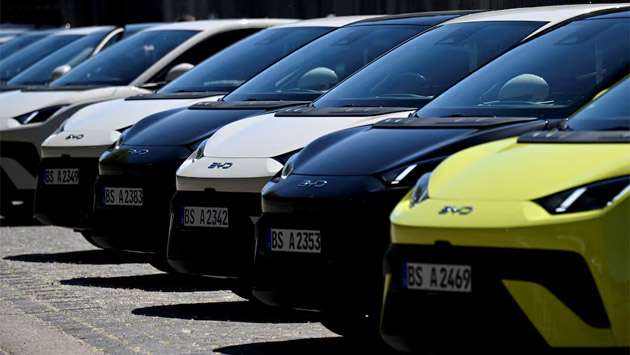
Reuters - Wang Chuanfu, chairman of BYD , on Tuesday said he expected the Chinese firm to become the world's largest automaker within five years, as he sought to reassure investors following a steep decline in the company's share price.
BYD, which ranked sixth globally in 2025 with 4.6 million vehicles sold, has struggled to restore growth after its domestic sales were hit by intensified competition with local peers over the past year. Shares of the company have dropped more than 45% from their peak in Hong Kong over the past year, while its Shenzhen-listed stock has fallen 33%.
Speaking at the company's annual shareholder meeting at its Shenzhen headquarters, Wang addressed nearly 1,000 shareholders, emphasizing a focus on ramping up the output of its second-generation Blade Battery, which he identified as this year's key growth bottleneck, according to the state-owned Shanghai Securities News. The report was confirmed by an attendee at the meeting.
"BYD will truly become the No. 1 automaker globally in terms of scale in five years," Wang said, highlighting the firm's strong exports and technological advancements, including improvements in battery and fast-charging technologies that he believes will drive growth at home and abroad.
On Wednesday, BYD confirmed that Wang said he wants the company to be the world's No. 1 automaker, but didn't respond to additional questions from Reuters about other details discussed at the meeting.
To achieve that goal, the firm would need to overtake Toyota Motor (7203.T) which sold more than twice as many vehicles as BYD in 2025. Toyota has seen its overseas market share erode in regions like Southeast Asia and the Middle East, where Chinese automakers have recorded significant growth this year, according to data from the China Passenger Car Association.
BYD's exports between January and May grew 65% from a year earlier, with Brazil, Britain and Australia ranking as its largest markets, aided by relatively low trade barriers.
However, this growth failed to offset a weaker domestic performance, as overall deliveries during the same period fell more than 20%.
BYD shares in Hong Kong and Shenzhen fell 4.3% and 1.6%, respectively, on Wednesday morning.