Reply To:
Name - Reply Comment
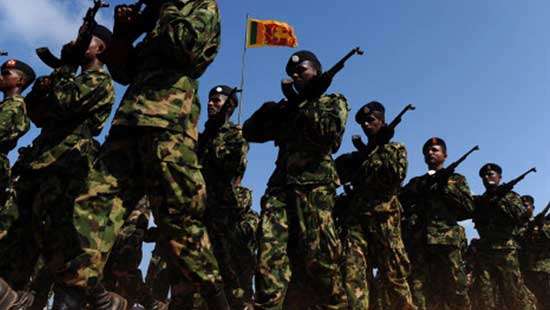
Some 2,882 Army deserters, including two officers will receive their discharge letters within four days, the Army said today.
The Defence Ministry and the Army Commander had offered a general amnesty on the recommendation of the President from April 22 to May 10 to all Sri Lankan Army absentees, enabling them to receive a discharge from service under four categories
The 1st phase of the newly-devised general amnesty will begin on April 22 and will allow the discharge of all army officers who were absent without leave (AWOL) for more than 21 days.
The Army said in a statement that the amnesty was also offered to rankers who were absent for more than six months or 180 days by April 22, 2019 and those absentees willing to re-join the army after their absence of more than six months.
Considering practical necessities, the discharge of those absentees is to be implemented under the four categories; those long-term absentees who do not owe any money to the army or are not implicated in any legal matters are eligible to receive a direct discharge, irrespective of paraphernalia (Q items), issued to the subject or any other legal matters, involved in civil courts.
The second category applies to those who have no legal obligations and are capable of settling their loans against remaining balance money in the Army Benevolent Fund, Suwa Sahana Fund and Compulsory Savings Fund or through the guarantors or relatives, can be discharged, irrespective of paraphernalia, issued to the subject or any other involvement in legal issues in civil courts.
The third category applies to those absentees without any legal issues or any loans that should be paid back to the Army or whose loans can be settled against their balances in the Army Benevolent Fund, Suwa Sahana Fund and Compulsory Savings Fund either from the guarantors or the relatives, are eligible to receive a discharge from the Army.
Absentees who have been charged with indiscipline or accused of other malpractices or criminal acts could also receive a discharge in accordance with existing army legal procedures and regulations.
Likewise, all paraphernalia (‘Q’ items) issued to the absentees and any of their involvement in non-Army related civil court cases, would in any way not be considered under all four categories expecting to receive a discharge from the Army as specified above.
The Army said similarly, all those absent for more than six months from service but are still willing to re-join, will be considered for reinstatement if they so request.
They said under this new programme for de-listing, absentees within this general amnesty period are requested to contact their respective regimental headquarters either in person or by communication to receive their discharge from service within the specified period.
Those intending to use the facility should carry the Army Identity Card (if available), National Identity Card or documents related to injuries sustained in terrorist attacks before such discharge is obtained.(Darshana Sanjeewa)