Reply To:
Name - Reply Comment
By Mangala Pavithrani
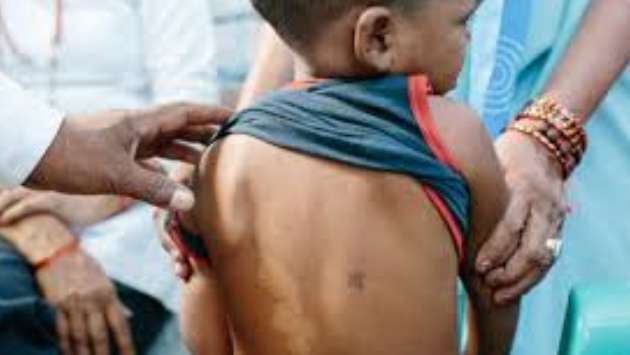
Colombo, Jan. 21 (Daily Mirror) - A total of 1,282 new leprosy cases were reported in Sri Lanka in 2025, with nearly 10 per cent of the patients being children under the age of 15, health authorities said today.
Director of the Leprosy Eradication Campaign at the Ministry of Health, Dr. Yasoma Weerasekara, addressing a media briefing to mark World Leprosy Day on January 25, said that 123 of the newly identified patients were children below 15 years of age.
Dr. Weerasekara said that about eight per cent of new and relapsed patients are already disabled by the time they seek treatment. She said special measures are being implemented to prevent leprosy patients from developing disabilities through early detection and timely medical care.
She added that the Leprosy Control Campaign has launched a special programme to identify patients at an early stage, screen close contacts, and provide necessary testing, treatment, and guidance to effectively control the disease.
Dr. Weerasekara also highlghted that free treatment is available for leprosy patients and their close contacts at government hospitals. She urged individuals experiencing suspected symptoms to seek medical attention from government hospitals, Public Health Inspectors, or Medical Officers of Health without fear or hesitation, while calling on the public to discard misconceptions surrounding the disease and its treatment.
Meanwhile, Dermatologist at the Central Leprosy Clinic of the Colombo National Hospital, Dr. Chathurarya Siriwardena, said leprosy is not a highly contagious disease and may take a long time to develop after the bacteria enter the body.
He explained that while leprosy primarily affects the skin, advanced cases can involve other organs, including the eyes and nose. Dr. Siriwardena noted that bacteria may be released into the environment when an untreated patient coughs or sneezes, and infection can occur if a healthy person inhales the bacteria.
However, he pointed out that approximately 95 per cent of Sri Lanka’s population has natural immunity to leprosy bacteria, and only about five per cent of those exposed are likely to develop the disease.