 Rishini Weeraratne
 Reply To:
Name - Reply Comment
Once synonymous with limited-edition drops, long queues outside Supreme stores, and resale markets that turned sneakers into assets, streetwear is undergoing a transformation. What was once driven by exclusivity and hype is now pivoting toward sustainability, ethical production, and long-term wearability. As Gen Z and millennial consumers demand transparency and eco-consciousness, streetwear brands, both legacy and emerging, are adapting to a new ethos: slow fashion with a street edge.
The Fall of Fast Hype?
For years, streetwear thrived on scarcity. The business model- limited releases, collaborations with high-fashion houses, and inflated resale prices- created a culture of urgency. But with rising awareness of fashion’s environmental impact, consumers are questioning whether hype culture is sustainable in the long run.
A major turning point was Virgil Abloh’s 2019 statement that streetwear was “going to die.” While streetwear hasn’t disappeared, his prediction was partially correct, hype-driven consumerism is losing ground to a more mindful approach. Instead of chasing the latest sneaker drop, streetwear aficionados are investing in pieces that are timeless, versatile, and built to last.
Sustainability Meets Streetwear
The new wave of streetwear brands is focusing on eco-conscious production. Some key trends shaping the future include:
• Recycled and Upcycled Materials: Brands like Pangaia, Noah, and South Asian label NorBlack NorWhite are using dead-stock fabrics and organic materials to create pieces with a smaller environmental footprint.
• Repair Culture & Circular Fashion: Patagonia, known for its outdoor apparel, has extended its repair program to urban wear. Other brands, like Adidas and Nike, have launched take-back programs where worn sneakers are recycled into new products.
• Local and Small-Batch Production: Instead of mass-producing, indie streetwear labels are opting for limited runs, but with a focus on quality. South Asian designers like Dhruv Kapoor are blending street aesthetics with slow fashion principles, proving that high design doesn’t have to come at the cost of the planet.

The Rise of Ethical Streetwear in South Asia
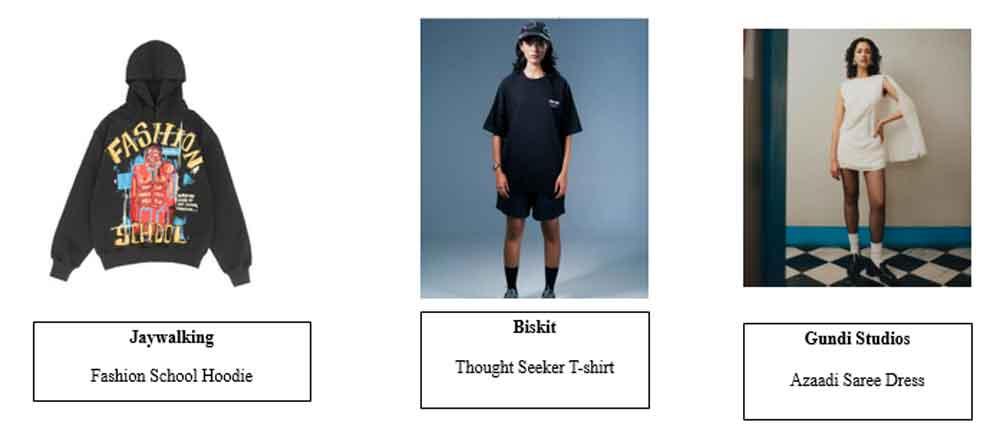
The streetwear movement in South Asia is booming, and it’s taking a uniquely sustainable route. Labels like Jaywalking (India) and Biskit (India) are redefining street fashion by mixing traditional craftsmanship with modern silhouettes. These brands are also vocal about ethical labour practices, moving away from the exploitative nature of fast fashion production.
Is Streetwear Still Cool Without the Hype?
With sustainability taking centre stage, some wonder if streetwear can survive without the adrenaline rush of exclusive drops. But the answer lies in how brands reinvent themselves. Limited releases aren’t disappearing, but they are evolving to focus on craftsmanship, ethical sourcing, and storytelling rather than artificial scarcity.
Streetwear, at its core, has always been about rebellion and self-expression. And now, that rebellion is against wasteful consumption. Whether it’s through slow fashion, ethical production, or a shift from hype to heritage, streetwear’s next chapter is proving that style can be both conscious and cutting-edge.
Would you rock sustainable streetwear, or do you still love the thrill of the hype?