 Rishini Weeraratne
 Reply To:
Name - Reply Comment
 By Rishini Weeraratne
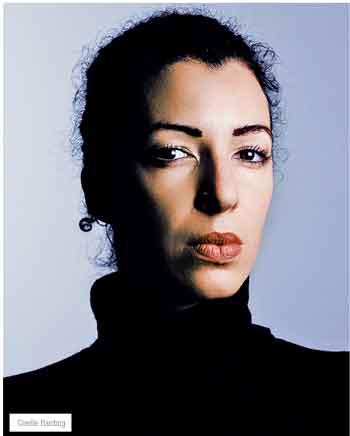
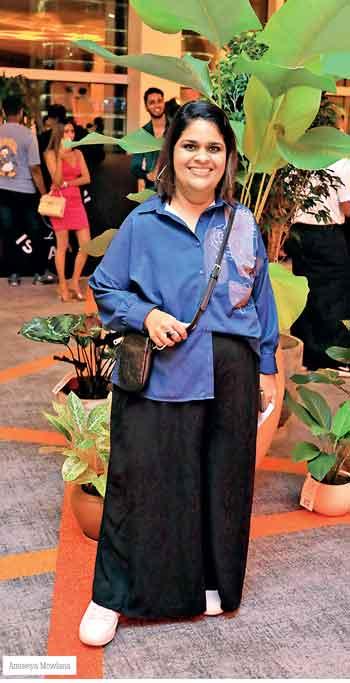
The much-anticipated Galle Literary Festival (GLF) returns in 2025, promising an extraordinary celebration of literature, culture, and art from February 6 to 9. Set amidst the historic charm of Galle Fort, the festival’s program features an impressive roster of local and international authors, thinkers, and creative minds. This year’s event reaffirms GLF’s reputation as a leading platform for cross-cultural exchange, intellectual dialogue, and artistic inspiration. In an exclusive interview with Giselle Harding, and Amreeya Mowlana, Festival Manager, we explored the motivations behind this year’s programming.
What inspired the selection of this year’s festival theme, and how is it reflected in the program?
This year, much like 2024, we opted not to centre the festival around a single theme. Instead, we wove together several key threads, inspired by global events, a year of voracious reading, and the unique charm of our Sri Lankan home. These threads resonate through our curated line-up of speakers and the diverse range of events. One of the central themes is cross-cultural connection; a concept deeply rooted in the history of Galle itself. The Fort, a hub of cultural exchange for centuries, is the perfect backdrop for discussions exploring global connectivity. This idea is explored through panel discussions such as ‘Connecting Cultures: The Art of Literary Translation’ and ‘Writing Prizes: Catalysts for Creativity’, featuring distinguished speakers like Romesh Gunesekera, Kate Mosse, and Maduranga Kalugampitiya.
 The notions of home and identity also take centre stage at GLF 2025. Attendees can delve into these ideas through panels like ‘Foreigner, Expatriate, Immigrant,’ featuring Peter Godwin, Sashi Perera, and Aube Rey Lescure, moderated by Nihal Arthanayake. Another highlight is Afua Hirsch and Nicholas Thomas’ conversation with Radhika Hettiarachchi on ‘Tattoo: Reclaiming Ancestral Traditions.’ Fiction, too, plays a role in exploring identity, with 2024 Women’s Prize for Fiction winner VV Ganeshananthan, alongside novelists Nguyễn Phan Quế Mai and Saraid de Silva, sharing their insights. The guided walking tours of Galle Fort offer a literal journey into the history and stories of this vibrant locale.
Legacy forms the third key thread of the festival, explored through panels like ‘Repatriation: Objects of Empire,’ ‘Legacy: Who Do We Choose to Remember?’ and ‘Inheriting the Past: Vietnam’s Legacy Through Two Lenses.’ Discussions on books like Sathnam Sanghera’s Empireworld and Simon Lister’s - Worrell: The Brief but Brilliant Life of a Caribbean Cricket Pioneer, further unravel the complexities of legacy.
We hope the program ignites conversations, introduces fresh perspectives, and fosters meaningful exchanges between attendees. After all, that’s the true essence of a literary festival.
Can you highlight any new features or changes introduced in the 2025 edition compared to previous years?
Building on the success of last year, we’ve aimed to make the guest experience even smoother and more enriching in 2025. Enhancements include an expanded literary market, a revamped food and beverage program, and a new entertainment line-up on the Garden Stage. These additions ensure a lively festival atmosphere even beyond the main talks, which remain conveniently accessible on foot.
Popular features like literary lunches, dinners, and workshops are back with a broader global selection of speakers. Our goal has been to offer something for everyone while maintaining the festival’s intimate charm.
 How did you curate the diverse line-up of speakers, and what criteria were used in the selection process?
We’re thrilled to welcome an eclectic mix of speakers from Sri Lanka and around the world. Our mission is twofold: to celebrate Sri Lankan and international writing while fostering dialogues that might not otherwise occur in Sri Lanka. The curation process began with recommendations from previous speakers and an extensive review of recently published works. From a long list of exceptional candidates, we balanced potential connections, breadth of experience, and diverse perspectives. The result is a stellar line-up featuring voices from five continents, promising an unforgettable weekend of literary exploration.
What measures are in place to engage the local community and encourage their participation in the festival?
The Galle Literary Festival is a collaborative effort that thrives on the support of the local community. With 8,000 visitors expected over four days, local businesses, venues, and residents play a vital role in creating a welcoming experience. From hosting talks and accommodating authors to running tours and providing transport, the community’s contributions are indispensable. Behind the scenes, we prioritize local suppliers and ensure that over 60% of our volunteers hail from Galle or nearby villages. This approach keeps our investments rooted in the community and fosters a sense of shared ownership.
Could you discuss the challenges faced in organizing an international literary festival in Galle and how they were overcome?
As a non-profit organization, GLF relies on sponsorship for 80% of its funding, and securing this support has been challenging. Many sponsors remain cautious as they recover from the financial crisis of three years ago. Fortunately, partners like Asia Securities and International Distilleries Limited (IDL) have stepped up, recognizing the festival’s potential to position Galle as a cultural and artistic destination on the global stage.
In what ways does the festival aim to promote Sri Lankan literature and authors on a global platform?
GLF has become a beacon for Sri Lankan literature, showcasing local talent alongside international luminaries. The festival fosters connections between authors, agents, and media, often leading to significant opportunities. For instance, when Nihal Arthanayake featured Saraid de Silva’s Amma on BBC Radio 4’s Good Reads, it boosted the book’s UK sales and introduced millions of listeners to Sri Lankan culture. Such moments underscore the festival’s role in amplifying Sri Lankan voices worldwide.
How has the festival evolved since its inception, and what are your long-term goals for its future?
From its grassroots beginnings, GLF has grown into an internationally acclaimed celebration of literature, food, culture, and the arts. Today, authors reach out to participate, passes sell out quickly, and press applications pour in. Our long-term vision is to maintain the festival’s charm while solidifying its place on the international literary calendar. We aim to continue promoting Sri Lanka as a vibrant hub of culture and talent.
What role do you see the festival playing in fostering cultural exchange and understanding through literature?
The pandemic highlighted literature’s power to bridge cultures and provide escapism. As noted by CN Traveller, “Lit Travel” is a growing trend for 2025, inspiring readers to visit places they’ve discovered through books. GLF serves as a platform for cultural dialogue, sharing Sri Lankan stories with international audiences while bringing global perspectives to our shores. By inspiring students and youth, the festival nurtures a robust reading culture at home.
 Can you share any behind-the-scenes insights or anecdotes from the planning of this year’s festival?
Organizing an event of this scale involves countless moving parts, and the process is as rewarding as it is challenging. From curating the program to coordinating with local businesses and authors, the journey is deeply collaborative. Each team member brings unique perspectives, mirroring the festival’s spirit of diversity and inclusivity. While there are logistical hurdles to overcome, the collective passion of everyone involved ensures a seamless experience for attendees. It’s a labour of love that reflects the essence of GLF; a celebration of community and creativity.
Amreeya further added: As Festival Manager, my company Dream Team Studio's priority is ensuring the festival runs smoothly while driving forward the GLF vision of a platform that brings people together. Behind every panel, performance, and culinary journey, is a collaborative team effort of many people, to celebrate the power of stories, ideas, and experiences. The 2025 edition of GLF is not just about literature; it’s about building partnerships and celebrating the uniqueness and flavours of the Sri Lankan spirit, and I am thrilled to see it come to life.
How do you measure the success of the festival, and what outcomes are you hoping to achieve with the 2025 edition?
Success for us means inspiring, educating, and entertaining every participant. We hope the festival sparks conversations and leaves a lasting impression, with attendees sharing book recommendations, recipes, and stories of Sri Lankan adventures long after February 9th.
As GLF 2025 approaches, the festival promises an unforgettable experience, celebrating the power of literature to bridge divides, spark conversations, and inspire new perspectives.