21 Jan 2026 - {{hitsCtrl.values.hits}}
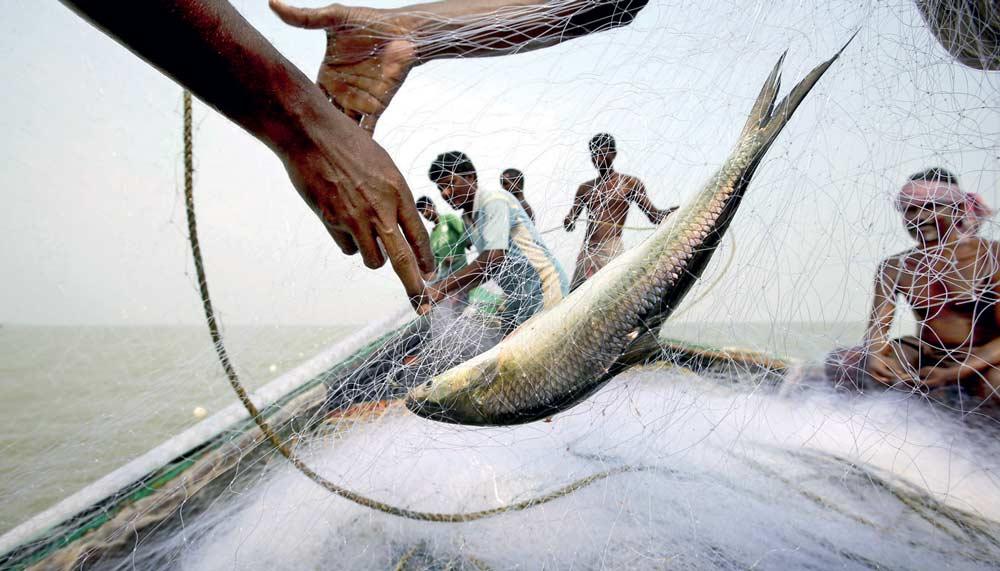
Sustainable management of oceanic resources ranging from sustainable fisheries to offshore wind and ecotourism can create a new multi-billion dollar pillar for the GDP

In January 2026, Sri Lanka stand at historical crossroads. The past year was characterised by a complex interplay of political transition under the JVP-led administration and the devastating physical and economic shock of Cyclone Ditwah (November 2025), which caused an estimated US $4.1 billion (4% of GDP) in direct damage. To achieve true economic independence, the nation must move beyond reactive crisis management towards a structured, productivity-driven roadmap. This analysis explores the vital pillars required to transform Sri Lanka into a resilient, self-sufficient, and globally competitive economy.
Entrepreneurship: The Engine of growth
For decades, Sri Lanka’s economy has been over-reliant on a narrow export base and public sector employment. Economic independence requires a shift toward a ‘startup nation’ mentality.
Access to capital: The current high-interest environment, exacerbated by post-cyclone recovery needs, stifles small businesses. The government must facilitate Venture Capital (VC) ecosystems and ‘Credit Guarantee Schemes’ for SMEs, shifting the burden of risk away from individual entrepreneurs.
Ease of Doing Business: Digitising the “Trade National Single Window” is no longer a luxury, but a necessity. Reducing the bureaucratic friction for registering a business and filing taxes will encourage the informal sector to formalise.
Incubation in provinces: Entrepreneurship must be decentralised. Establishing innovation hubs in Kandy, Matara, and Jaffna regions heavily impacted by recent climate shocks will ensure balanced regional growth.
Agriculture and productivity: From subsistence to agribusiness
The $814 million in agricultural damage from Cyclone Ditwah highlighted the sector’s extreme vulnerability. With 25% of the workforce in agriculture contributing only 8% to GDP, the productivity gap is the single largest drag on the economy.
Climate-resilient farming: Investment must flow into flood-resistant crop varieties and modernised irrigation systems. The ‘Public Investment Programme (PIP) 2026-2030’ correctly identifies modernising paddy processing as a priority.
Precision agriculture: Integration of IoT and AI for soil mapping and precision fertilisation can reduce costs by 30% while increasing yields.
Value-addition: Sri Lanka must stop exporting raw materials. Instead of shipping bulk tea or cinnamon, the focus should be on high-value phytomedicines, organic extracts, and branded retail products.
Law enforcement, discipline and youth
Economic prosperity is unthinkable without a stable social fabric and a disciplined workforce.
Modernising policing: Law enforcement must evolve beyond traditional patrolling to include cyber-forensics and financial intelligence. Transparency through body-worn cameras and digitised case management will restore public trust, which is essential for attracting Foreign Direct Investment (FDI).
Youth engagement: The frustration among students often stems from a mismatch between education and employment. Introducing Vocational Training 4.0 focusing on robotics, renewable energy, and digital commerce within the school curriculum will channel youth energy into productive sectors.
Discipline as social capital: A culture of ‘civic discipline’ respecting public property, adherence to traffic laws, and environmental consciousness reduces the hidden costs of governance and infrastructure maintenance.
Tech development and digital economy
Technology is the ultimate ‘force multiplier’ for a small island nation.
Digital infrastructure: Universal high-speed internet is as vital as electricity. The government should incentivise private telcos to bridge the ‘digital divide’ in rural heartlands.
AI and automation: In the manufacturing sector (especially apparel), adopting AI-driven supply chain management can help Sri Lanka compete with lower-cost labour markets like Bangladesh or Ethiopia.
E-governance: By moving all citizen services (ID, licensing, land registry) to a blockchain-secured digital platform, the State can eliminate the ‘middleman culture’ and systemic corruption.
Environmental protection and renewable energy
Cyclone Ditwah was a ‘climate signal.’ Sri Lanka’s economic independence is tied to its ability to mitigate environmental risks and achieve energy sovereignty.
Energy independence: Sri Lanka spends billions of US$ on fuel imports. A rapid transition to solar and wind energy (aiming for 70% by 2030) is the only way to insulate the economy from global oil price volatility.
The blue economy: Sustainable management of oceanic resources ranging from sustainable fisheries to offshore wind and eco-tourism can create a new multi-billion dollar pillar for the GDP.
Circular economy: Implementing strict waste management and plastic-neutral policies will protect the natural beauty that drives the $4 billion plus tourism industry.
Healthcare system transformation
A healthy workforce is a productive workforce. The current system is strained by the ‘brain drain’ of medical professionals.
Medical tourism: By upgrading specific facilities to international standards, Sri Lanka can become a hub for affordable, high-quality surgeries and wellness treatments (Ayurveda combined with Western medicine).
Digital health records: Centralising patient data can reduce redundant testing and improve diagnostic accuracy, saving the state billions in healthcare costs.
Pharmaceutical independence: Encouraging local manufacturing of essential drugs can reduce the import bill by 40-50% over five years.
Increasing exports and diversification
The EDB’s National Export Development Plan 2025-2029 must be executed with military precision.
Market diversification: While the US and EU are vital, Sri Lanka must aggressively pursue Free Trade Agreements (FTAs) with India, China, and the ASEAN bloc. Service exports: Beyond physical goods, ‘Knowledge Process Outsourcing’ (KPO) and software development should be targeted to reach $5 billion in annual revenue.
Logistics hub: Leveraging the Port City and Hambantota to provide value-added transshipment services (re-packaging, light assembly) will capitalize on the country’s strategic location.
Retaining ‘brains’: Reversing the drain
Hundreds of thousands of skilled professionals left in 2024 alone. To stop this, the ‘push factors’ must be addressed.
Merit-based growth: Professionals leave when they feel political connections matter more than competence. Establishing clear, merit-based career pathways in the public and private sectors is critical.
Competitive compensation: While Sri Lanka cannot match Western salaries, it can offer a ‘high quality of life’ through lower tax brackets for high-skilled exports, improved urban safety, and better international schools.
Diaspora engagement: For those who have already left, the government should create ‘dual-citizenship’ pathways and ‘investment bonds’ that allow the diaspora to fund national projects with guaranteed returns.
Roadmap to 2030: A practical guidance
To navigate the current stagnation, the government and the private sector should follow this phased approach.
Conclusion
Economic independence for Sri Lanka is not a dream; it is a choice. While the JVP Government’s first year has been marred by natural disasters and a steep learning curve, the path forward requires radical transparency, fiscal discipline, and a relentless focus on productivity. By empowering entrepreneurs, protecting the environment, and modernising the legal and educational frameworks, Sri Lanka can turn the ‘scars’ of 2025 into the foundation of a prosperous 2030.
(The writer is a battle-hardened Infantry Officer who served the Sri Lanka Army for over 36 years, dedicating 20 of those to active combat. In addition to his military service, Dr. Perera is a respected international researcher and writer, having authored more than 200 research articles and 16 books. He holds a PhD in economics and is an entrepreneur and international analyst specialising in national security, economics and politics. He can be reached at [email protected])
15 Jun 2026 33 minute ago
15 Jun 2026 42 minute ago
15 Jun 2026 1 hours ago
15 Jun 2026 1 hours ago
15 Jun 2026 2 hours ago